Jon Batiste: The 60 Minutes Interview
In a Nutshell
Jon Batiste is a virtuoso pianist and Grammy-winning musician who creates "social music" by blending genres to unite people, demonstrated through his subway "love riots" and improvisational performances. Despite personal challenges including his wife Sulea's recurring leukemia, he channels creativity and resilience into his work, earning an Oscar for Soul and eight Grammys. His journey from a quiet New Orleans childhood to Juilliard and late-night television highlights the importance of embracing individuality and finding one's own creative path.
These notes were generated by AI and may contain inaccuracies.
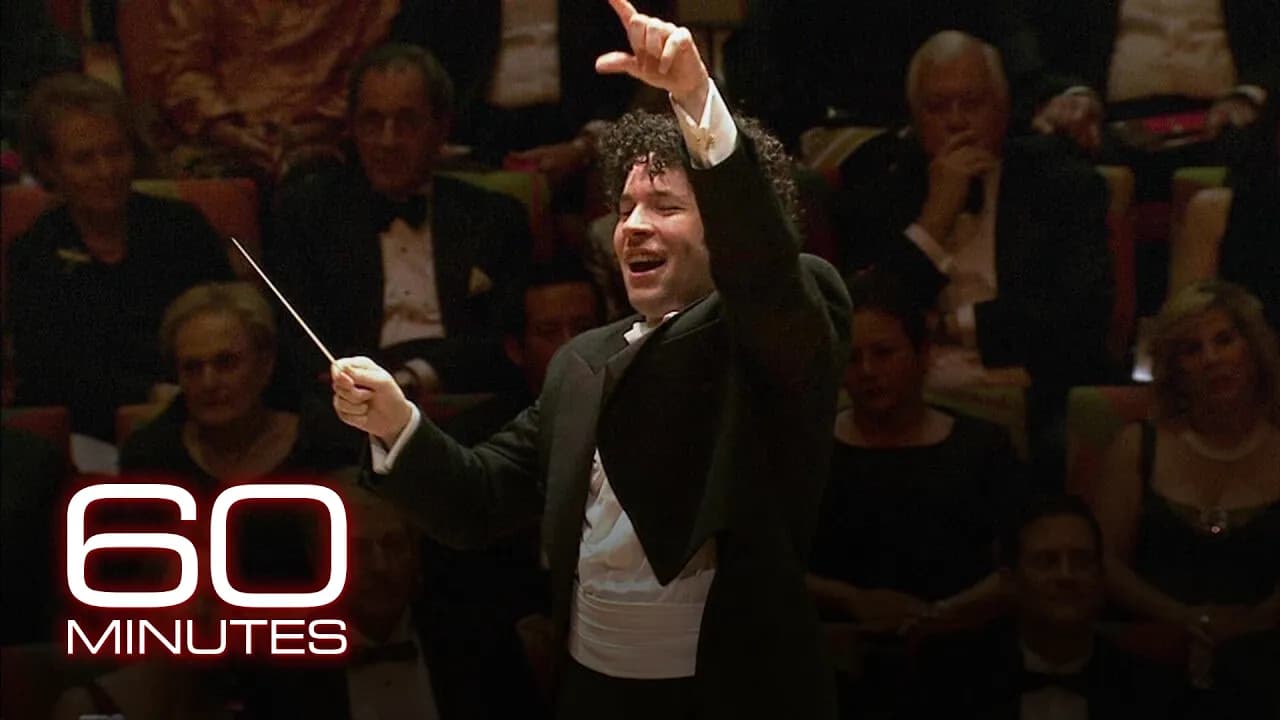
Jon Batiste has emerged as one of the most original and gifted musicians encountered. At 39, he serves as a virtuoso pianist who also plays the childlike melodica. He intentionally breaks down musical silos by blending Beethoven with blues to create new sounds. Jazz, classical, folk, pop, and any sounds that ignite his imagination become woven into what he terms social music. This musical approach draws from every era and every corner of the world with the central purpose of bringing people together.
On a Tuesday night at approximately 9:30 PM in Manhattan, Batiste led his band of musicians to perform in the New York City subway system. He described this gathering as a love riot, transforming ordinary subway cars from somber, grim places into the happiest spaces in New York. The subway became a testing ground for his vision of uniting people through music, which he originally dreamed up as a student at Juilliard. One participant noted having the most fun ever experienced on a New York subway. Batiste explained that he loves seeing how different songs strike chords with different people, creating an unexpected feeling of belonging and the sense that individuals are not alone in the world. He views himself as a vessel that unites people against all odds, describing this as a form of faith.
At Electric Lady Studios in Greenwich Village, Batiste created music through improvisation without written notation or rehearsal. Artists including Stevie Wonder, David Bowie, and Taylor Swift have recorded there. When listening to playback in the control room, he first truly heard what he had created and laughed indicating strong approval. He explained that while playing, he stays in a certain flow and feeling, only hearing the actual result afterward. His improvisational approach connects to ancient musical traditions, referencing the first hymn found in Syria, the first drums, and symbols from Neolithic China.
Batiste described improvisation as a calling, stating that when approaching the piano, there is an openness like a tidal wave where he can express everything within him. His body and face physically represent this creative process. The act of playing causes him to light up completely, transforming his entire demeanor.
In 2014, Batiste began dating Sulea Jiad, an artist and writer who has been in and out of treatment for leukemia. He once brought a love riot to her hospital ward, and they are now married. That same year, he impressed Stephen Colbert and became band leader for The Late Show with Stephen Colbert for seven years with his Stay Human band. During this period, he created the jazz score for Pixar's Soul, earning an Oscar. In 2022, the year he left the Late Show, he won five Grammys including Album of the Year for "We Are." He now has eight Grammys and two Emmys, performing to sold-out venues worldwide.
At the Hollywood Bowl, Batiste demonstrated his genre-blending abilities, mixing rhythm and blues with Beethoven without missing a beat. Despite his electrifying performances, he identifies as a deeply introverted person who felt like he existed in his own internal world during his early adolescent years.
Batiste grew up in the New Orleans suburb of Kenner, Louisiana, in a musical family. He barely spoke until approximately age 10, often sitting in a magnolia tree in his family's front yard to observe and understand stillness, noting that time stops in the tree. He advised finding one's own tree in life. Music eventually drew him out of his shell, revealing what he could do and giving him the audacity to believe in it.
At his mother's urging, Batiste took up piano and excelled, playing gigs across New Orleans by high school graduation. He auditioned for Juilliard despite not knowing how to read music, improvising during the sight-reading test and gaining admission. However, his free spirit clashed with the school's structured methods, leading exasperated instructors to send him to a psychologist. The psychologist helped him understand that being different was acceptable. Batiste decided to create music his way without apology, emphasizing the need to be comfortable being misunderstood and moving at one's own pace rather than the world's pace.
While his career continues soaring, his wife Sulea's leukemia has returned, requiring her to isolate, and she recently underwent her third bone marrow transplant. Batiste noted that his brightest moments often coincide with their toughest times, including being nominated for multiple Grammys during her second bone marrow transplant. He views this as part of life, explaining that highs are never separate from low points and that this duality helps find gratitude for each other.
At the Hollywood Bowl, Batiste performed "Butterfly," a lullaby he composed to help Sulea's healing. When the audience held up their phones creating a sea of lights, he described this as symbolic evidence of the light ignited in people that night. He explained that for anyone feeling in darkness, holding up that light represents having an inner light to move forward.
Keep 60 Minutes in your library
Save the videos and channels worth coming back to, and find them again in one place.