JUST IN: The Biggest Insider Sale In Company's HISTORY!?
In a Nutshell
Larry Ellison canceled his $7.5 billion 10B5-1 stock sale plan before any shares were sold, so the headline doesn't reflect insider panic. Oracle trades 55% below highs with 30% upside to fair value on a 23x PE, but faces risks from $90-95B in AI capex driving negative free cash flow and shareholder dilution.
These notes were generated by AI and may contain inaccuracies.
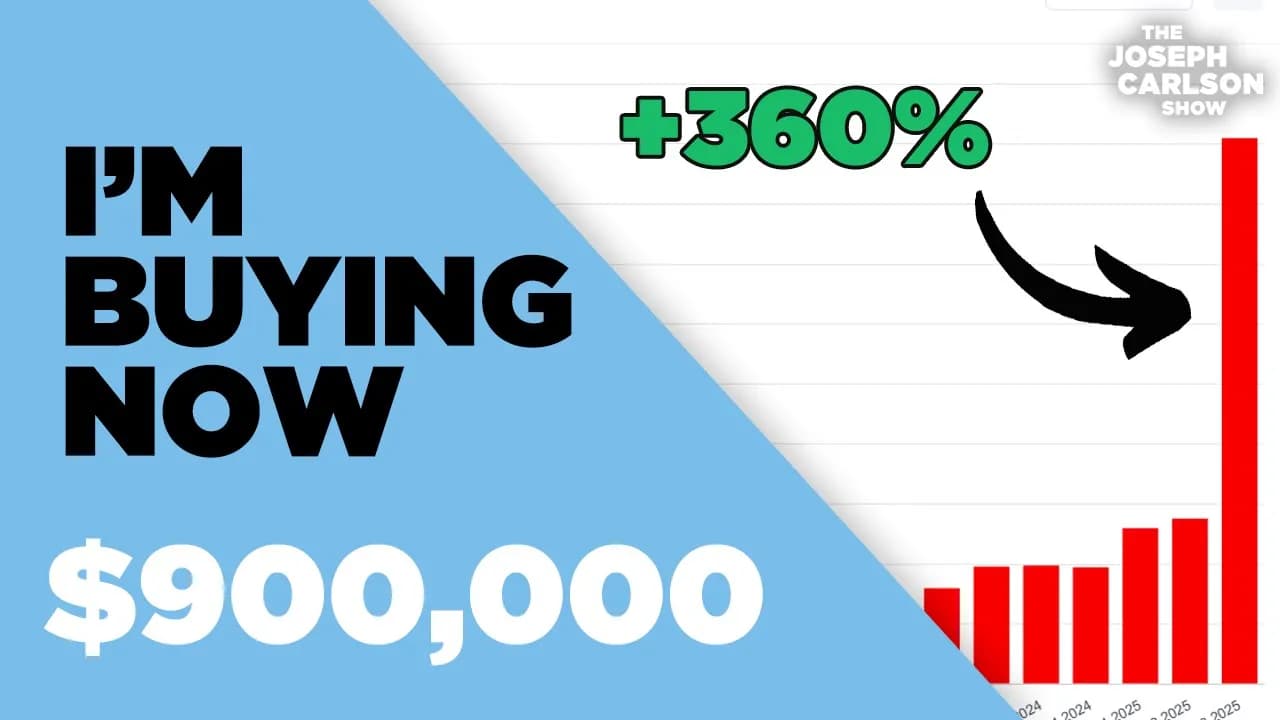
The largest insider sale in the company's history occurred when Oracle founder Larry Ellison dumped $7.5 billion of Oracle shares (ticker symbol OR), representing the largest insider sale in the company's history. This triggered widespread questions about what he might know that others don't.
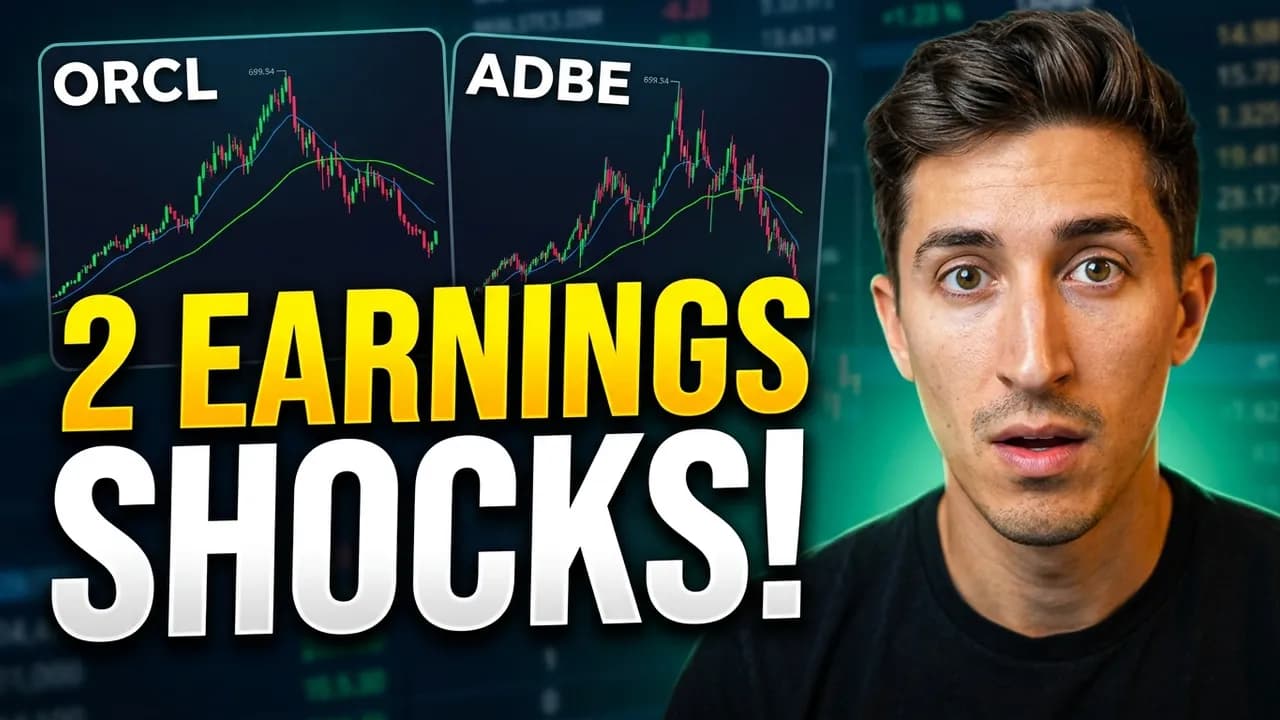
When encountering headlines about executives, CEOs, and insiders selling shares, the first question to ask is whether the sale was scheduled or planned. Using the Weeble trading application to view Oracle, the stock is down 55% from recent highs or all-time highs. Oracle recently reported earnings with significant volatility, pumping to highs of nearly 166-167 after beating expectations, then dropping from up 7% to 1.7% in the red and selling off further during extended hours.
The 50 million shares worth approximately $7.5 billion were pre-arranged under a 10B5-1 plan filed months ago, meaning this was not a panic sell but rather a planned transaction filed in advance. The 7.5 billion headline creates panic perception, but the filing type operates on autopilot regardless of stock price. A 10B5-1 plan is a preset trading schedule for insiders designed so sales do not appear to be based on inside information.
When seeing headlines about insiders selling, investors should never react impulsively but instead conduct due diligence. This requires access to information before making investment or trading decisions based on impulse. The key insight is that if sales were pre-arranged through 10B5-1 plans, there is less panic behind them. If not scheduled, then additional investigation may be warranted.
The $7.5 billion sale appears substantial to average investors, but Larry Ellison would still own 40% of Oracle even after selling 50 million shares. Oracle has a market cap of $432 billion, making the relative scale of the sale more understandable when considering his remaining ownership stake.
Larry Ellison cancelled his Oracle stock sale plan. According to Reuters, Oracle confirmed that founder Larry Ellison has canceled his 10B5-1 plan to sell Oracle shares. No Oracle stock was sold under the canceled plan, and the company stated that Ellison currently has no other plans to sell shares. This cancellation demonstrates that 10B5-1 plans can be terminated before execution.
Oracle has not been able to make new highs even while broader markets achieved numerous all-time highs this year. The all-time highs of 341 came nearly a year ago, while the highest levels reached this year were approximately 250 before selling off to lows of 116. Oracle demonstrates significant volatility.
Oracle shows 30% upside according to fair value calculations. The PE ratio stands at 23 times earnings, which is relatively low. The company generates $71 billion in revenue and nearly $19 billion in net income with growth trajectory. Recent quarterly results show total revenue of 19.3 billion, representing 30% year-over-year growth. Full-year guidance indicates at least $90 billion.
Markets are trading near all-time highs while Oracle trades lower, likely due to upcoming Fed rate decisions with an 85% probability of a possible rate hike. If rate hikes occur, broader markets would likely pull back, and Oracle would be influenced by overall market movements rather than recovering independently.
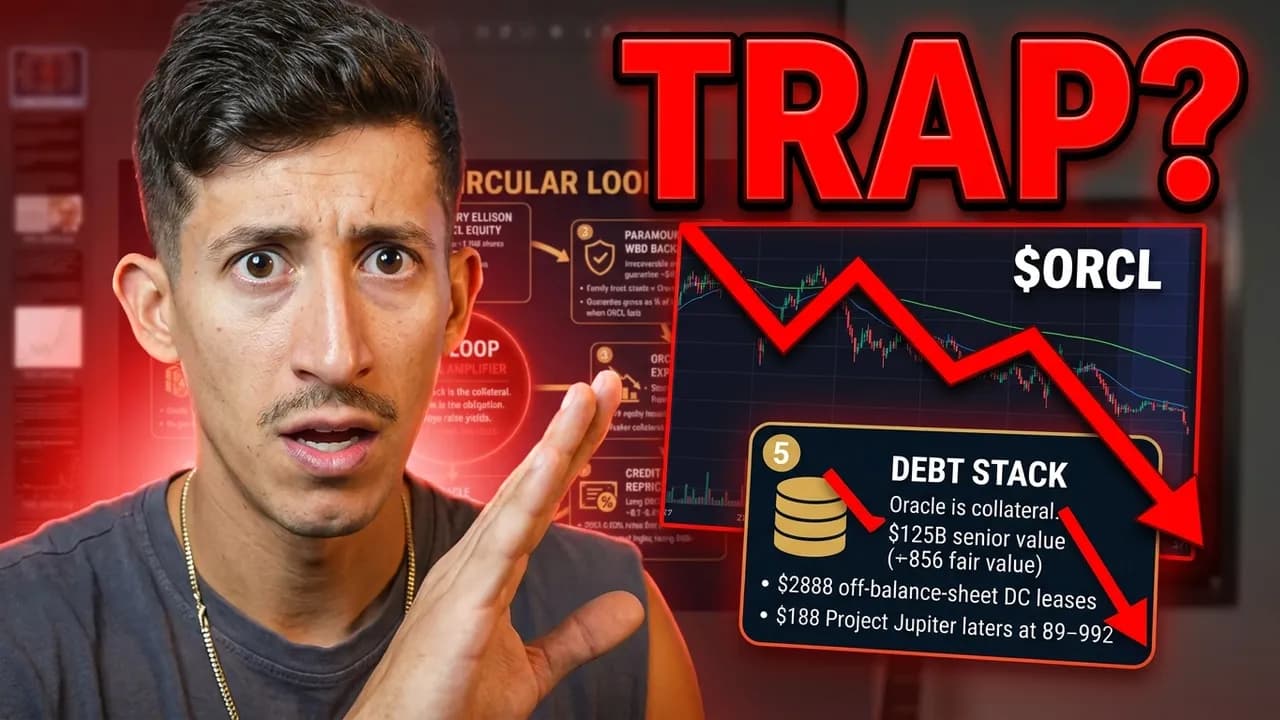
Two primary concerns exist regarding Oracle's investment thesis. First, Oracle is overinvesting in AI infrastructure through aggressive cloud infrastructure investments that may not be attractive to current shareholders. The company continues at-the-market equity issuance, having completed $20 billion and planning to raise approximately $40 billion more, which dilutes existing shareholders.
Oracle shows negative free cash flow with capital expenditures of $28 billion in Q1 resulting in negative free cash flow of $5 billion. Full-year capex guidance of $90-95 billion signals sustained cash burn, with the company expected to remain negative free cash flow potentially throughout the next year as well.
While many major technology companies are investing heavily in AI, not all will succeed, creating potential losers among companies investing billions without returns. The market appears to be pricing in that Oracle may be among these companies that fail to achieve returns on AI investments. The key question becomes whether Oracle can sustain the cash burn required for these investments.
Keep Ricky Gutierrez in your library
Save the videos and channels worth coming back to, and find them again in one place.