Kratom, an opioid, can lead to addiction and death. Yet, in most states, it's legal.
In a Nutshell
Kratom, a legal opioid sold widely in the U.S. as an herbal supplement, has caused over 5,000 overdose deaths since 2020, with some fatalities attributed solely to the substance. The American Kratom Association and companies like Botanic Tonics have spent millions lobbying to block regulation, despite evidence that mitragynine and synthetic 7-OH products can cause addiction, seizures, liver damage, and death. Lobbying pressure has even influenced federal policy, leading HHS to reverse its plan to restrict 7-OH and allowing more potent products to remain on store shelves.
These notes were generated by AI and may contain inaccuracies.
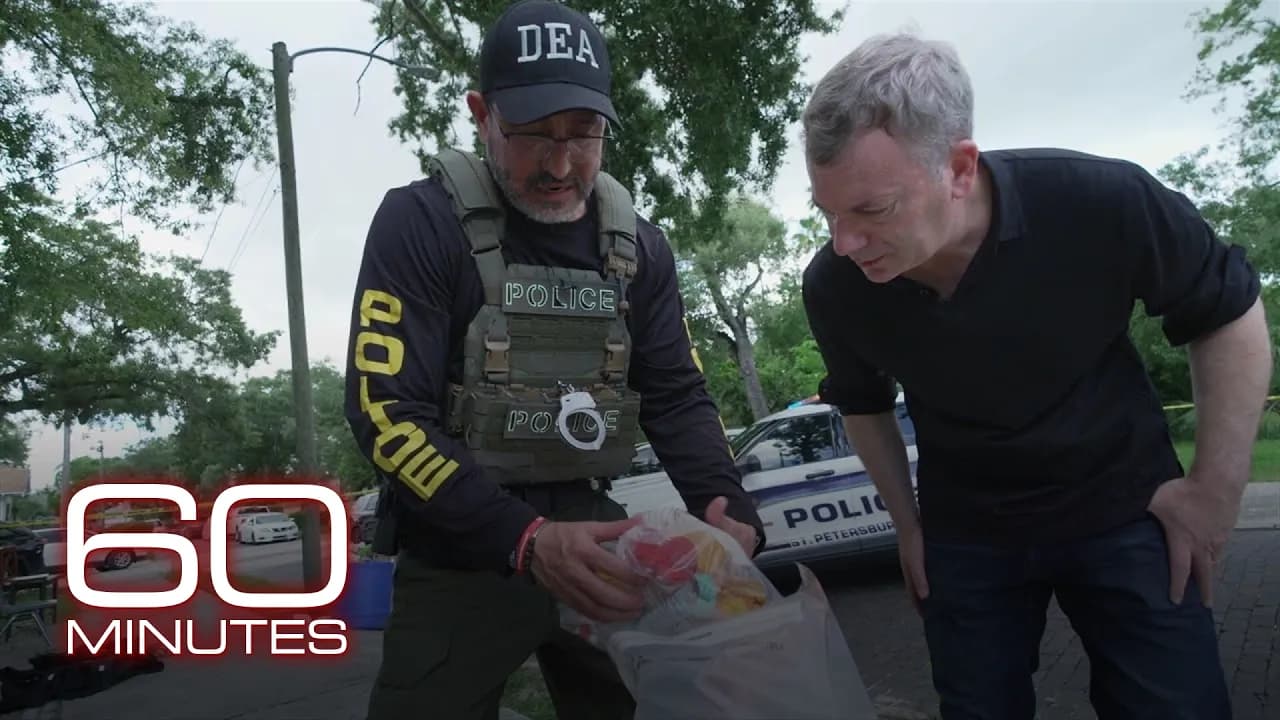
Over the next two weeks, coverage examines the American opioid crisis that has claimed nearly a million casualties. The report begins with kratom, a substance advertised on signs and available as easily as a bag of chips. The industry has become a billion-dollar market with products sold online and in tens of thousands of stores nationwide.
The kratom industry promotes the substance as a mild stimulant and an aid in recovery from opioid addiction, with supporters in high government ranks. Increasing outrage exists over an opioid that can lead to addiction and death remaining legal in most states.
Melanie Clark, a trained opera singer living in Michigan, struggled with postpartum depression and fatigue. In 2022, she saw Instagram ads for Feel Free Classic Tonic, a plant-based energy drink with catchphrases like "feel free to be super mom." She hoped it would provide focus and energy, describing that it initially made her feel like she had "superpowers."
An active ingredient in Feel Free derives from a tree native to Southeast Asia where people have chewed leaves or boiled them for stimulating tea with opioid effects. She purchased the product at gas stations and corner markets near her house.
Within three weeks, she progressed from one bottle her first week to needing multiple bottles daily, recognizing she had become addicted.
Feel Free priced around $10 per bottle represents one of hundreds of kratom products available. The market includes bags of leaf powder, capsules, gummies, and extracts sold at smoke shops, convenience stores, and corner delis.
Dr. Andrew Kolodny, medical director for the opioid policy research collaborative at Brandeis University, has treated hundreds of patients addicted to opioids and served as an expert witness testifying against pharmaceutical companies in the opioid crisis. He reports that most people developing opioid addiction in recent years developed it from kratom.
Kratom is an opioid because its main compound mitragynine activates opioid receptors in the brain. Some mitragynine converts in the body to 7-hydroxymitragynine (7-OH), which activates these receptors more intensely, producing an opioid high.
The American Kratom Association functions as a consumer advocacy and lobby group, claiming kratom is a natural, safe food used by millions as an herbal supplement for health, well-being, and energy boosts.
Parents of recently deceased sons report their children started using kratom believing it was safe, with statements like "it's just like coffee," "safer than Red Bull," "an herbal supplement," and "a natural way to deal with anxieties."
Death certificates for victims including Daniel Breger, Wyatt Wheeler, Joe Chamberlain, and Matthew Eper list mitragynine as a contributing factor. Some deaths were attributed solely to mitragynine.
Matthew Eper, age 22, collapsed while playing cards with friends. His mother describes arriving to find him cold, dark, and gray after failed resuscitation attempts.
Mac Haddow, public voice of the American Kratom Association and convicted of felony ethics violations from the 1980s while working as HHS chief of staff, claims there is "no known dose of mitragynine or kratom that would cause a death."
Toxicologist Justin Brower at NMS Labs has analyzed thousands of death cases and confirms "dozens and dozens of deaths attributed just to kratom" with no other drugs involved.
The CDC has identified more than 5,000 overdose deaths involving kratom since 2020. Fatalities increased approximately 10-fold from 2014 through 2025-2026.
The FDA warns about risks of serious adverse events including liver toxicity, seizures, and substance use disorder. In 2014, the FDA issued an import alert to stop millions of pounds of kratom imports, primarily from Indonesia. However, a loophole allows kratom to be sold legally in most states once in the country, often labeled as cosmetics or incense.
Products containing synthetic 7-hydroxymitragynine (7-OH) have emerged, concentrated in tablets and liquid shots more potent than morphine, nicknamed "gas station heroin." These products are 10 times more potent than mitragynine.
Alex Krotulski, toxicologist and director at the Center for Forensic Science Research and Education, explains users migrate from leaf-based products to synthetic 7-OH as tolerance increases, seeking stronger effects.
After weaning off Feel Free, Melanie Clark relapsed and began using synthetic 7-OH tablets, landing her in the hospital. During withdrawal, she experienced panic attacks and became suicidal, requiring police intervention. She describes running from police across her yard and hopping a fence when authorities arrived.
In July, the federal government announced intent to restrict or schedule 7-OH and three related substances, referred to as "dangerous opioids" by HHS Secretary Robert F. Kennedy Jr. However, HHS unexpectedly changed its recommendation last month, increasing the amount of 7-OH allowed in products by 20-fold.
Calley Means, until recently a senior HHS adviser, asserted on Joe Rogan's podcast that loosened standards resulted from unrelenting kratom lobby pressure, including meetings pushed from the West Wing.
Public filings show a constant stream of cash from the American Kratom Association to lobby the FDA, HHS, the White House, and Congress over the past decade. Botanic Tonics, maker of Feel Free, and founder JW Ross, a convicted felon, donated nearly $1.2 million to RFK Jr.'s political campaigns and the Make America Healthy Again PAC.
Markwayne Mullin, Secretary of Homeland Security, disclosed an investment in Botanic Tonics of up to $1 million. Both Calley Means and Dr. Marty Makary, former FDA head, recently resigned partly due to kratom policy changes shaped by business interests rather than public health.
HHS stated that neither political contributions nor outside pressure influenced their recommendation.
Dr. Andrew Kolodny draws parallels between pharmaceutical lobbying and kratom lobbying, noting some scientists previously hired by Purdue Pharma to downplay OxyContin risks now work for the kratom association, delivering similar messages that downplay risks and exaggerate benefits.
Dr. Kolodny unequivocally states: "Don't use kratom for opioid use disorder. We don't have the evidence and what is available suggests that the risks of kratom outweigh the potential benefits."
Susan Eper visits convenience stores showing her son's death certificate, informing clerks that her son died from kratom. Hundreds of products remain on shelves, including Feel Free.
Melanie Clark's current assessment: "It's a drug. It's a dangerous drug. You should not be able to buy bottled euphoria from the gas station. It will slowly steal your soul."
Next week's coverage examines violent cartels, international supply chains, clandestine labs, and a new deadly wave of synthetic opioids.
Keep 60 Minutes in your library
Save the videos and channels worth coming back to, and find them again in one place.