Live From Dr. Sean, The Hidden Fat Your Doctor Never Looks For
In a Nutshell
A new study shows that engineered bifidobacteria can be turned into drug-producing microbes that target pancreatic cancer, which is usually resistant to standard treatments. Regular consumption of fermented foods like yogurt, kefir, kimchi, and kombucha increases gut microbial diversity and lowers multiple inflammation markers, effects not seen with high-fiber diets alone. These changes also boost immune-signaling pathways linked to better responses to cancer immunotherapy.
These notes were generated by AI and may contain inaccuracies.
I'm traveling and doing this show remotely. I want to talk about a very interesting study that recently came out looking at the role of a particular species of bacteria that is resident in the microbiome.
The study was published on August 19 on sciencedaily.com. The article is titled "Scientists turn probiotic bacteria into tiny drug factories for pancreatic cancer." The study examined bifidobacteria and involved modification of an interleukin, which is a molecule associated with immune defense capability. They hybridized this capability into this particular species of bacteria.
Pancreatic cancer has a high mortality rate because the treatments that we have are ineffective. Pancreatic cancer is refractory to some of the same types of treatments that we use to fight cancer for other types of cancer such as breast cancer, skin cancers, gastrointestinal, and colon cancers. The study found that modifying bacteria from the microbiome showed promise for attacking pancreatic cancer.
This particular species of bacteria are oftentimes found in fermented foods and resident within our microbiome. This represents a potentially exploitable area for targeting cancer. This is a glimpse into what will be an entirely new strategy for attacking cancer and other aspects of the pathogen.
The strategy involves dealing with our immune system to a level that allows us to survive. There are consumer-level probiotics available on Amazon that many people are taking. These are doing a lot more than just delivering these particular species.
In human interventional trials, these probiotics were found to change the underlying gut ecosystem, increase the diversity of microbes inside, and alter immune signaling. The key point is that things happen through signals, and those were altered. In some cases, increased bacteria that have separately been associated with better cancer immune therapy responses.
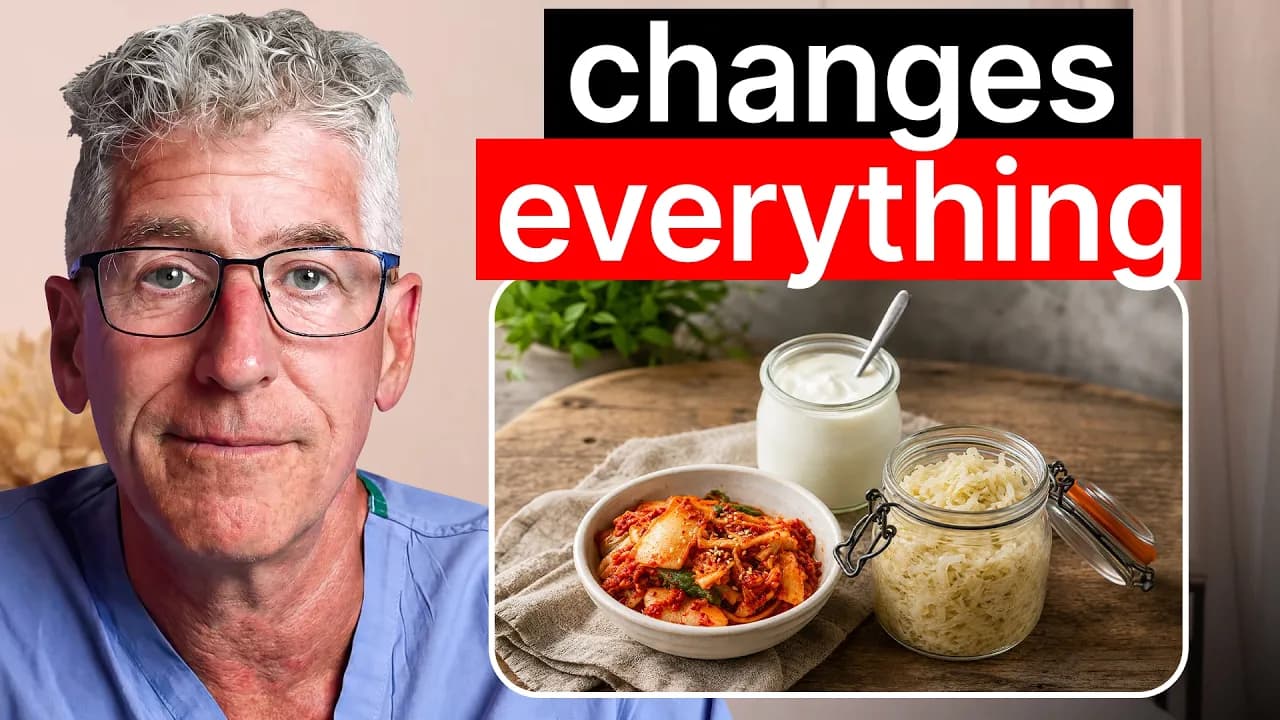
A related study done at Stanford University assigned people to two groups. One group followed a high fermented food diet, including yogurt, kefir, fermented vegetables like kimchi, fermented sauerkraut (living, not pasteurized), fermented vegetable brine like the juice from fermented sauerkraut or fermented pickles, and kombucha.
The gut microbial diversity in the fermented food group significantly increased. Multiple markers of inflammation (19 of them) were all lowered. The other group that ate a higher protein nutrition fiber diet (not fermented) did not have diversity change and had not a single one of those markers of inflammation lowered.
Many of the organisms that expanded in the gut in the fermented food group were actually not in the
Keep Sean OMara, MD JD, Health & Performance Optimizing in your library
Save the videos and channels worth coming back to, and find them again in one place.