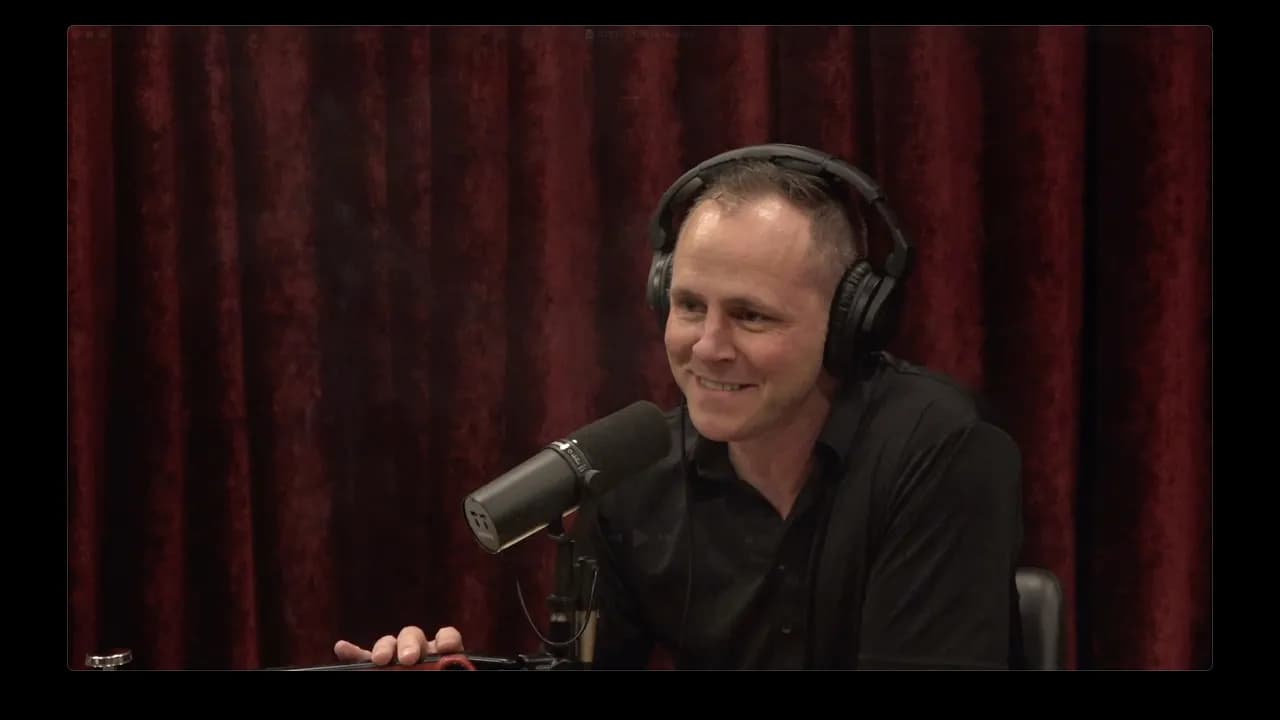
Mushrooms for the Mind & Immune System | Paul Stamets
In a Nutshell
Paul Stamets argues that H5N1 bird flu, already jumping to 90 mammal species with 40-50% fatality if it reaches humans, represents an existential threat that demands immediate upregulation of natural immunity through mushroom mycelium. His clinical trials show that agarikon and turkey tail mushrooms triple antibody reservoirs against COVID, reduce vaccine side effects, and cut symptom duration by 5.1 days in unvaccinated patients—outperforming Tamiflu. Beyond immunity, psilocybin demonstrates anti-addictive properties that break addiction cycles through neuroplasticity, while microdosing protocols combining psilocybin with niacin and lion's mane produce measurable psychomotor improvements.
These notes were generated by AI and may contain inaccuracies.
Paul Stamets opens with a warning about future pandemics, noting that H5N1 bird flu is currently causing quarantines at two dairy farms in Washington state. The virus has already jumped to 90 mammal species, and if it reaches humans, the fatality rate would be approximately 40 to 50 percent. Stamets argues that this potential threat makes COVID-19 appear relatively minor by comparison. He advocates for upregulating natural immunity through natural products, emphasizing that the human immune system possesses the wisdom to create antibodies and that natural products working together represents an evolutionary lesson.
Andrew Huberman introduces Paul Stamets as a mycologist studying fungi and their applications for health and cognition. Stamets is considered the father of modern applied mycology for his work championing fungi use for immune function, cognition, tissue healing, and brain plasticity. The discussion will cover mushrooms for immune system support, specific strains, dosages, sources, psilocybin use for mental health conditions including OCD and anxiety, and non-psychedelic mushrooms for increasing brain-derived neurotrophic factor.
Stamets expresses humility about his knowledge, stating that experts studying subjects deeply realize how much they didn't know. He references the book "The Crack in the Cosmic Egg" by Joseph Pierce and notes that the greatest achievement of science this century is the acknowledgement of our ignorance. He describes himself as still a "boy scientist" excited about life.
Stamets explains that fungi and animals share a common super kingdom called opisthokont, which were single-celled protists. As they differentiated, one branch led to fungi (holo-mycota) and another to animals (holo-zoa). Fungi became multicellular and absorb and digest nutrients externally, while animals encapsulate nutrients and digest them internally. This divergence occurred about a billion to a billion and a half years ago.
A single cubic inch of soil can contain 1 to 8 miles of enriched mycelial networks with more than a million species of bacteria and more than a billion organisms co-inhabiting. Fungi produce antibiotics like penicillin that stave off pathogenic bacteria. Fungi and humans share many common pathogens including E. coli, staph, and clostridium. The mycelium creates the basis of the food chain through biodiversity of fungal networks setting up microcosms of enormous complexity.
Stamets describes having a conversation with an AI expert who revealed that 99% of discoverable data in human experience has already been discovered by AI, creating a data deficit. The expert suggested that AI needs to tap into natural intelligence due to the complexity of cross-talking organisms and biodiversity that leads to macroorganisms. Humans are 90% bacteria, representing communities of cooperating individuals with cross immunity and protection. Stamets argues that natural intelligence will always exceed artificial intelligence.
Stamets explains that fungi must combat bacteria and have mechanisms that can be leveraged to combat bacteria and viruses in humans. Fungi grow everywhere including under sidewalks, running underneath concrete, and munching rocks. Road builders must get down to mineral earth because fungi munch any organic debris. Shaggy mane mushrooms are known to break through asphalt and concrete despite being crushable by hand.
Marine mycology reveals astonishing fungal depths more than a mile and a half down in oceans, where the biggest reservoirs of fungi are now thought to exist. Mushrooms represent the tip of the iceberg, with mycelium being everywhere. However, mushrooms don't have good immune systems and rot quickly, while mycelium serves as the immune system of the mushroom life cycle.
Human ancestors selected about 200 species from 2 to 4 million species through trial and error over millions of years. These species are compatible with human digestion and have molecular architectures that function as miniature pharmaceutical factories. Mycelium expresses 10 to 100 times more genes than mushrooms. Mushrooms are designed to be eaten and attract insects and animals to spread spores, while mycelium generates mushrooms through complex immune networks.
Stamets describes himself as an applied mycologist focused on practical uses of fungi since age 14. He first found mushrooms as a portal into vast mycelial intelligence. He emphasizes that the immunological wisdom of mycelial networks represents a paradigm shift for medicine.
Eight Sleep Pod 6 mattress covers offer cooling, heating, and sleep tracking with nine times as many sensors. The system regulates core body temperature, which must drop 1-3 degrees to fall and stay deeply asleep. Our Place cookware avoids PFAS forever chemicals found in 80% of non-stick pans, with their Titanium Always Pan Pro using pure titanium instead of chemical coatings.
Stamets' interest in fungi was sparked by his older brother John, who brought back stories from Mexico and Colombia about psilocybin mushrooms. John was six years older and attended Yale University. The brothers had a fully equipped laboratory in their Ohio basement. Stamets initially looked for psilocybin mushrooms but discovered edible varieties like chanterelles, porcinis, shaggy manes, and bluefoots. John later died from cardiac arrest, which motivates Stamets to do push-ups daily.
More than 20 primates eat mushrooms and distinguish between poisonous and edible varieties. A monkey in Bolivia consumes more than 10-15% of its body weight annually eating mushrooms. The connection goes back to primate beginnings through grubs and fly larvae attracted to mushrooms. Starvation motivated exploration of new foods, and generational knowledge allowed selection of edible mushrooms without language or field guides.
Some of the most deadly poisonous mushrooms in the world are delicious, making them potentially someone's last meal. This serves as a warning not to pick and eat mushrooms without proper education.
The immune system recognizes self versus other and destroys harmful non-self entities. Fungi help this system thrive both directly and indirectly by supporting immune cell robustness. The discussion focuses on how fungi might support immune function through their own defense mechanisms against bacteria and viruses.
Fungi can combat pathogens through their own immune systems rather than necessarily working through human immune systems. Multiple mechanisms can operate simultaneously, with more than a dozen things being true at once, reflecting the concept of entourage synergism.
In the 1970s, Dr. Frank Panov from the University of Washington of Wisconsin Medical School identified antiviral properties in mushrooms and requested gypsy mushrooms (Cortinarius caparatus). This mycorrhizal mushroom cannot be cultivated and must be collected from forests. The researcher shipped approximately 20 pounds of gypsy mushrooms via Federal Express to Panov, who isolated a novel glycoprotein called RC183 that showed high activity against herpes viruses.
In June 2001, the researcher published a one-page article in Herbal Graham (American Botanical Council) surveying all scientific research on antiviral properties of mushrooms. Following the September 11, 2001 attacks, a physician involved in the BioShield program contacted the researcher regarding concerns about weaponizable viruses including smallpox and flu. The BioShield program sought to potentiate host defense against potential pathogens.
The researcher received carte blanche funding to conduct extensive testing across hundreds of fungal cultures and species. The Fungi Perfecti laboratory conducted 265 assays at no cost. Mushroom fruit body extracts and mycelium from which mushrooms were grown were tested, yielding phenomenal results particularly against orthopoxviruses and flu viruses.
The results placed the samples in the top 10 of more than 2 million samples surveyed for super selectivity against weaponizable viruses. The researcher was the only natural product in this top 10. The activity localized to agarikon (Laricifomes officinalis), described as one of the longest-living mushrooms, growing for more than 100 years in old growth forests.
Agarikon is now on the red list of extinction in Europe where it cannot be legally picked. It remains present in old growth forests in northern California, Washington, Oregon, British Columbia, Montana, and northern Arizona. This species is the only member of its genus and family. Genetic analysis has been completed with full genome sequencing published in G3: Genes, Genomes, and Genetics.
Dioscorides first described agarikon in 65 AD as "elixirium ad longum vitam" - the elixir of long life. The mushroom has been used for thousands of years and grows exclusively in old growth forests.
In 2020, following the pandemic, the researcher was approached about potential applications for COVID-19. A combination of agarikon and turkey tail was proposed and bundled together using the same material from the Host Defense product line. Three papers on turkey tail have been published.
The FDA expressed concern about overstimulation of the immune system, noting that most people die from cytokine storms during COVID, Ebola, and flu infections. A 2012 breast cancer clinical study found that mycelium grown on rice stimulates interleukin-10 and interleukin-1 receptor antagonist (anti-inflammatory cytokines). This allowed upregulation of immunity while suppressing overexpression through anti-inflammatory cytokines.
The research was privately funded through the Krupp Institute of Integrative Medicine at University of California, San Diego and UCLA Medical School. Two studies involving 140 patients have been conducted. A double-blind placebo-controlled clinical study was published in BMC Immunology showing enhancement of mRNA vaccines from Pfizer and Moderna.
The study demonstrated statistically significant reduction of adverse reactions to vaccines compared to placebo (rice). Of 10 symptoms associated with adverse reactions, participants taking agarikon and turkey tail showed reduced effects. The researcher personally took agarikon and turkey tail with a recent COVID vaccine and reported no adverse effects.
Researchers banked blood from 90 participants and conducted follow-up blood draws 6 months later. Those who took agarikon and turkey tail with vaccination had triple the antibody reservoirs against COVID compared to those receiving only the vaccine. The mushroom combination was taken for only 4 days.
The hypothesis suggests the combination elevates immunity to a higher state of readiness, allowing the endogenous immune system to customize antibodies specific to pathogens. Unlike vaccines with hyperspecificity that allow viral evasion through mutation, this approach may provide broader protection against evolving viral strains.
Phase one studies involved 90 people for safety assessment, proving safety with no adverse events. A second study recruited 50 people who were already sick with COVID. Three analytical approaches were used, with two showing statistical significance.
Statistically significant massive reduction occurred in headaches, muscle aches, sneezing, and coughing. The reduction in coughing and sneezing is significant for decreasing droplet dispersal vectors. Unvaccinated participants taking agarikon and turkey tail resolved 50% of symptoms 5.1 days sooner than placebo. Vaccinated participants taking the combination resolved symptoms 0.9 days sooner. Tamiflu reduces disease symptom period by approximately one day.
The ability to decouple reactogenicity from immunogenicity represents an unusual finding in medicine. The researcher compares this to aspirin, which was used therapeutically before its mechanism was understood in the 1970s.
The researcher addresses whether the mechanism might involve hormetic stress responses similar to exercise-induced inflammation that helps combat infection. In vitro tests using lipopolysaccharides (LPS) to stimulate inflammation showed that human cells digitally express genetic responses that dampen inflammation under stressful conditions.
These fungi are characterized as biological response modifiers. More than 500 differentially expressed genes from agarikon with peripheral blood mononuclear cells showed both upregulation and downregulation of immune system genes, supporting the entourage effect.
The researcher has collected 130 strains of agarikon in culture, representing approximately 100 times the frequency of finding agarikon in old growth forests. Different phenotypes have been identified, analogous to varieties of tomatoes.
A $2.6 million grant was received to examine the genomic library of agarikon for super strains active against various viruses. An extract from the BioShield program in 2004, stored for 17 years plus 4 years in refrigeration in 35% ethanol, was retested and found massively active against COVID. The cells exposed to COVID virus healed within 5 days, demonstrating shelf stability of the natural product.
The research represents translational medicine from in vitro to in vivo to human clinical trials. The researcher speculates about potential applications for enhancing most vaccines by increasing immune readiness and enhancing most anti-cancer drugs by elevating immune system function.
Approximately 30% of Americans surveyed do not get COVID vaccines due to fear of adverse reactions occurring two days later. The researcher notes that vaccines have saved hundreds of millions of lives but suggests the combination approach could serve as a force amplifier for vaccine efficacy while reducing adverse effects.
Bio-guided fractionation of agarikon identified active molecules against smallpox including ibotenic acid, agaric acid, and furoic acid - polyphenols that are ethanol-soluble. When tested individually, these molecules did not produce the same effect as the whole extract, demonstrating the entourage effect. The researcher describes the immune system as a sophisticated computer of natural intelligence with cross-talk between receptors.
Less than 0.1% of fungal species have been tested for medicinal properties. The researcher advocates for maintaining a bridge between molecular medicine and natural products to increase homeostasis, viewing health and disease as a multifactorial equation where mushroom mycelium acts as a force amplifier.
Natural products and traditional medicine are interdigitated, with work being done at the interface between these domains. The entourage effect has become intuitive to the public, especially in the wake of the pandemic, as it is recognized that no single molecule will solve all problems in mental health or physical domains. Cocktails of things that work and synergize are increasingly being looked at as beneficial. Leveraging existing organisms that have already worked out solutions in order to enhance immunity is particularly exciting.
Paul Stamets walks his talk and created his business Host Defense in order to do research. The research is now proving that Host Defense products support immunity in healthy individuals, with multiple peer-reviewed articles published. He takes Host Defense Agaracon and Turkey Tail - the very same materials supplied in the clinical trials. These are cultivated in FDA-inspected laboratories with no 483s, which is a pharmaceutical-grade level.
Agaracon and Turkey Tail grow in the same forest. Tissue cultures are taken and brought into the laboratory where they are grown in pure form. In the wild, mushrooms are subjected to air pollution, algae, and bacteria. Turkey tail mushrooms are bracket mushrooms called Turkey Tail because they look like turkey feathers, multicolored, and scientifically called Trametes versicolor (variable in color). Turkey tail sequesters nitrogen through agrobacteria, making it a polyculture.
Mycelium propagated in vitro and grown on grains creates a unique product through epigenetic fermentation, similar to how milk is transformed by lactobacillus and acidophilus into yogurt. The mycelium transforms the rice into an immunologically powerful product that does not overstimulate immunity. In clinical trials, rice was used as the control, demonstrating that rice is not a filler but becomes a transformed, biologically active substrate.
Stamets takes four capsules each of Host Defense Agaracon and Turkey Tail daily. He cannot make medical recommendations but shares what he personally does. He advocates people follow the science and has populated a website called mushroomreferences.com with over a thousand peer-reviewed references on mushroom mycelium, mushroom fruit bodies, adverse reactions, and concerning reports about mushrooms.
Stamets applied to 10 NIH grants and got two approved. He created a product line because he couldn't get money for research through traditional channels. His motivation was to do research, and the product line was created to fund that research. He has published 65 articles in peer-reviewed literature with his team of six full-time researchers, four of whom are PhDs.
Prophylactically, Stamets upregulates his regimen prior to public contact. He and his partner live on a remote island in British Columbia with an extremely quiet life, then are thrown into the vortex of public contact. Several days before going public, they start upregulating their immune system by taking Agaracon and Turkey Tail. He also takes it during exposure and backs down to a therapeutic dose versus a maintenance regimen afterward, noting these are often 4x different.
Stamets warns that COVID is not the last pandemic. In Washington state, two dairy farms are in quarantine because of H5N1 bird flu. Bird flu has jumped to 90 mammal species, killing seals, sea lions, marmots, and other mammals. The fatality rate of H5N1 if it hits humans is approximately 40-50%, which would make COVID look like a minor viral pandemic.
Virologists involved in bioweapons defense have noted that the biggest threat to humanity's extinction is bioweapons being engineered by artificial intelligence. The inexpensive bioterrorist weapon is to create a viral pandemic with specificity. This is why Stamets believes in natural intelligence upregulating natural immunity, as the sophisticated immune system has the wisdom to create antibodies to protect the host.
A medical foundation with virologists and scientists looked at all the data and awarded a collaboration with a well-known university in California $2.6 million to look at every strain of Agaracon. Stamets has 130 strains for hyper-producers and wants to find a "Mary Hunt strain" against H5N1, similar to how she found a strain against Penicillium. The investment in biodiversity is an investment in biosecurity.
Stamets published in Nature with colleagues showing reduction of viruses in honeybees up to 14,000 times less viruses than control honeybees in 10 days. The deformed wing virus is a pandemic against beehives. Colleagues at Washington State University, USDA, and virologist Jay Evans were co-authors. The extracts were given in sugar water, and within 10 days there was a 14,000 times reduction in viral titers. Bees that used to fly for 7-10 days are now flying for only 4 days, representing a threat to biosecurity through reduced pollination.
Stamets met with the FDA trying to get the honeybee treatment approved. An FDA regulator asked to characterize all constituents inside the natural product, and when told there are more than 200,000 constituents, the regulator couldn't respond for 45 seconds. Pharmaceuticals are 99% pure with impurities less than 1%, creating a different regulatory modality. A bureaucrat in Europe has outlawed the selling of mycelium because they say it's a novel food, despite mushrooms being made of mycelium.
Stamets is 71 years old. Both he and the interviewer remember a time when meditation, breath work, yoga, and weightlifting were considered fringe and ridiculed. Now these practices are mainstream. The practices came first and validation came later through studies. The younger generation (35 and younger) grew up in a context where these practices are not considered strange.
Stamets comes from a farming family of wheat growers with thousands of acres of wheat. He is a blend of being conservative and socially liberal. When he first went to academic conferences interested in psilocybin, he was treated like a leper with a force field of distance. He refuses to be an apologist for his interest in psilocybin.
2.5% of Americans admitted they used psilocybin last year, representing over 8 million Americans by calculation. This includes both microdosing and macrodosing. There is statistically significant association of reduction in crime with persons who've done one dose of psilocybin, reduction in partner-to-partner violence, and 90% of people addicted to tobacco who took two heroic doses of psilocybin were not smoking cigarettes one year later compared to the nicotine patch.
For Psilocybe cubensis (the golden tops, most commonly cultivated mushroom), a heroic dose is around 4-5 grams. Set and setting are critically important, and therapy afterward is essential. A great nonprofit in Canada called Roots to Thrive, with Dr. Pamela Krisco as one of the co-founders, has experience with end-of-life permitted use on a case-by-case basis by the Canadian government.
Psilocybin has been decriminalized in a few places in the United States but is still illegal to possess or sell. Crossing state lines involves interstate transportation of a Schedule I drug, which is federally illegal. Oregon and Colorado have decriminalized. Stamets has spoken in front of city councils in Washington state advocating for decriminalization to the lowest priority of law enforcement, less than a parking ticket violation. Cities include Olympia, Seattle, Mount Vernon, and Port Townsend.
People with a genetic or familial predisposition to psychosis or bipolar disorder need an abundance of caution. They need to be pre-screened. This is serious medicine, not a party drug. 70% of people typically have a positive experience.
The Compass psilocybin studies show about 40-45% resolution of treatment resistant depression or major depressive disorder. This is clearly a very powerful medicine that doesn't work for everyone.
Roland Griffiths at Johns Hopkins conducted a retrospective study 14 months after heroic doses of psilocybin. About 70% of individuals described it as an extremely positive experience, among the top five positive experiences of their life. 30% described it as a difficult experience.
For the 70% who had positive experiences, the act of re-remembering the experience 14 months later was psychologically beneficial. They relived the experience, which is reliving a neural pathway and memory. For the 30% who had difficult experiences, there were no adverse effects post-experience. They simply said it wasn't for them and they wouldn't do it again.
Psilocybin is an anti-addictive drug. Many people when they take a high dose look at the mushrooms the next day and say they're not touching them again. Many people use it only one time in their life.
This is why psilocybin shows promise for opioid use disorder, tobacco addiction, alcoholism, and obsessive compulsive disorder. It seems to reprogram not only the neuroscape but promotes dendritic spine formation from axon tips, leading to synaptogenesis and neuroplasticity of new neural pathways. This breaks addictive behavior patterns because people are no longer stuck in a rut.
Psilocybin could go down as a paradigm shifting drug rediscovered that could have the most dramatic impact for the health of individuals and society of any medicine discovered in history.
There's a paradox where plasticity is beneficial, but directing the plasticity toward particular endpoints like resolution of depression, obsessions, or excessive ruminations is the actual goal. Qualified therapy plays a critical role. It's not clear that people can just freestyle this.
The big question in psychedelic therapies is whether the thoughts, feelings, and experiences during psychedelic sessions are critical to clinical outcomes, or whether the neurochemistry facilitating plasticity is what matters. There's no standardization of what good psychedelic therapy should look like.
Stamets' father, who was anti-drug and pro-Nixon, asked about mushrooms in his 70s. Alexander Smith, the father of American mycology, also in his 70s and never having eaten psilocybin mushrooms, asked Stamets to guide him through the experience. Stamets turned both down because the therapeutic element is so important.
The psilocybin experience is best described as an oceanic experience where the ego dissolves and you feel connection with nature and the universe. You realize you're a whirlpool of molecules, that you didn't exist before birth and won't exist in the same form after death, but there's a unanimity of being connected to a larger concept.
This oceanic feeling is highly predictive of resolution of PTSD and depression. Individuals who don't have this oceanic feeling don't seem to get as much benefit.
Roots to Thrive is a model that Stamets highly recommends. Their program involves group therapy with 6-8 individuals. It started with end-of-life anxiety, typically stage four cancer patients, but has expanded. The model includes learning with the group prior to the experience, then after the experience, participants have new friends, colleagues, and a community to talk to.
This addresses the problem where patients often feel abandoned after leaving a physician's office. The Roots to Thrive model creates ongoing therapeutic benefits not only with trained therapists but with individuals who share common experiences.
Many patients in Roots to Thrive have become therapists to their families, telling anxious family members not to worry when they're dying. Surprisingly, many of them are not dying. No clinical trial has been done on this, but when you're happier, your immune system upregulates. When you're depressed, you have an inflammatory state and your immune system downregulates.
These are powerful medicines, not party drugs. Regulation is needed for purity and therapeutic regimen. The dangers of not having regulation could cause people to fumble the ball on something with too much potential good for society.
The fastest movement for psychedelics, particularly ibogaine and psilocybin, toward FDA approval has been through an alliance between the left and right. Rick Doblin of MAPS and Rick Perry, former Republican governor of Texas, joined arms in this effort. It's ironic that during a Republican administration, psychedelics would get accelerated toward the FDA finish line.
Psilocybin makes nicer people and makes us tolerant of each other. 95% of people have the same common beliefs. Social media and bots monetize getting people angry or excited.
Psilocybin appears to be a reboot of the system. When people see family members or friends heal from opioid addiction or veterans heal from PTSD, they become cheerleaders for the cause, crossing political divides.
Beyond therapeutic use for mental health disorders, there's the question of prevention of addiction, PTSD, and depression for normal people. The cost-benefit ratio of preventing crime, violence, depression, addiction, and PTSD suggests psilocybin mushrooms should be available for everybody for free because the return on investment to society is in the many billions of dollars through reduced recidivism and fewer people going to courts and prisons.
Psilocybin makes people more congenial, nicer, and more intelligent. There's a crisis in creativity and immunity.
There are 306 clinical trials on psilocybin at clinicaltrials.gov. Every one went through an IRB board to ensure safety measures for human clinical trials. There's also lots of pre-clinical animal data and in vitro data.
When Stamets says psilocybin mushrooms should be made free, he notes his sister would never take mushrooms but if approved by FDA as a pharmaceutical and she needed it, she would take it. There's universality of use - plenty of people for both the pure pharmaceutical and natural form.
In Europe, all pharmacies and pharmacists are trained to identify mushrooms. In Germany, when you want mushrooms identified, you go to a pharmacy trained on identifying poisonous versus edible mushrooms.
The infrastructure needed includes week-long therapeutic programs where people enter the program, receive the substance, and have follow-up. Many people have this as a once-in-a-lifetime experience. Improving your life for the rest of your life with a 4-5 hour investment is a massive return.
Studies are only on adults, with no studies on people younger than 18. The brain is very plastic early in life, and growing up is itself a psychedelic experience. There's no good data arguing that people younger than 18 should use psilocybin.
Indigenous peoples worldwide have traditions of using psychedelics like peyote and psilocybin with younger people, especially at coming of age. Rick Doblin has discussed with the FDA that MDMA could be used for prevention and treating younger people early in their disease cycle.
A microdose by definition is subsensorium - below the level where you feel an effect. In the psilocybin cubensis scale, 1 gram at 1% concentration is 10 milligrams. 10 milligrams is clearly a liftoff dose.
A microdose is usually 1-3 milligrams for most people. People can feel 10 milligrams of pure psilocybin. The hero's journey starts at 2.5 grams or 25 milligrams.
The FDA has approved 25 milligrams or 2.5 grams of mushrooms as the standard dose. When people hear 25 milligrams or 2.5 grams, there's an enormous difference - one refers to the actual mushroom weight, the other to the chemical in the mushroom.
99.9% of psilocybin use is in the mushrooms themselves, not the isolated molecule. Only a few hundred to a few thousand people have taken the pure psilocybin molecule.
A study by Dr. Pam Krisco and colleagues interviewed four individuals who took both the psilocybin molecule and psilocybin mushrooms. All preferred the natural form. The pharmaceutical had a quick liftoff, felt chemically, and had a quick descent. The mushrooms had a slightly delayed but quick takeoff with a long tail that gave patients time to reflect and feel connected with the natural world.
When taking mushrooms, several million people on the planet might be simultaneously taking psilocybin mushrooms, entering into a collective consciousness. The lineage goes back centuries and thousands of years across cultures and communities.
There's microdosing, medium dosing, and high dose therapeutic dosing. The sweet spot increasingly receiving attention is medium dosing, on the order of a half gram, which would be 5 milligrams of pure psilocybin.
A half gram dose is often called the museum dose. This has been a common practice where groups of friends take a small amount of psilocybin mushrooms and go to a museum. They become unusually happy and visually stimulated by artwork, but typically wear sunglasses because their pupils are so dilated it would scare people.
This is a liftoff dose that's sensorium but only for a very short period of time. It's like drinking half a cup of wine very fast - you feel a little liftoff for a few minutes to half an hour, then it goes down. This is not the 5-hour deep journey.
The sensorium dose is considered important because activating the 5-HT2A receptors engages receptors in the gut and the vagus nerve connection with the mitochondria cascade. There are more 5-HT2A receptors in the gut than in the prefrontal cortex, yet this area remains unexplored. Psilocybin is a prodrug for psilocin, where 10 milligrams of pure psilocybin converts to 5 milligrams of psilocin.
Beyond 5-HT2A receptors, there is also TrkB engagement, which is the receptor for BDNF. Multiple receptor groups are engaged by these compounds. The museum dose creates a liftoff experience that is sensorium but not intoxicating. Users feel the effects without becoming intoxicated, though driving would not be recommended.
Numerous reports exist of extraordinary athleticism associated with museum dosing. Examples include a professional dart player who reported improved performance, as well as martial artists, boxers, and baseball players. These reports suggest enhanced psychomotor benefits, though experimentation on game day is strongly discouraged.
The principle that best performances emerge under conditions similar to practice applies to these substances. Historical psychopharmacology research demonstrated that people who studied while intoxicated performed better when tested intoxicated than when tested sober, though still performed worse than those who studied and tested sober.
Once skills are developed through muscle memory, psychomotor benefits are enhanced by psilocybin converting to psilocin and blocking these receptors. Visual information increases significantly, with enhanced perception of colors and spectrum. Hearing also appears to improve. The current understanding is that these compounds allow perception of reality in a clearer, more detailed way rather than creating non-reality.
Human sensory apparatus extracts a narrow wedge of physical information from the world. On psilocybin, this wedge may widen, with greater integration between different senses. Synesthesia commonly occurs, where touch sensations correspond to specific sound frequencies, representing a form of cross-sensory integration.
A large observational study through Quantified Citizen in British Columbia enrolled up to 25,000 participants, with results published in two Nature Scientific Reports papers. The study used self-reporting methodology where participants created baselines and reported their motivations, dosages, and combinations. The first paper noted that 4,500 non-microdosers and a few hundred fewer microdosers created well-weighted groups.
Results showed significant improvements in depression, PTSD, and anxiety measures. However, the community aspect and shared experiences raise questions about expectation effects. Every medicine carries an expectation coefficient, and the placebo effect is recognized as a real phenomenon alongside the nocebo effect.
The Stamets Stack combines psilocybin/psilocin with niacin (the flushing form of vitamin B3) and lion's mane mushroom mycelium. The rationale stems from psilocin's vasoconstrictive properties and niacin's vasodilatory effects. Vasoconstriction neuropathies present as deadening in fingertips and toes due to blood starvation, making a vasodilator combination potentially beneficial for delivering more blood and psilocin to peripheral nervous system endpoints.
To address placebo effect concerns, a finger-tapping psychomotor test was included in the microdosing app. After 30 days, non-microdosers showed baseline tapping frequencies, while microdosers using the Stamets Stack improved from 43 to 63 taps. This psychomotor benefit cannot be attributed to expectation and suggests neurological system improvement.
The tapping frequency improvements suggest applications for walking, typing, playing guitar, piano instruction for older adults, and fall prevention in aging populations. The approach could function as a neurological tonic for improving basic neuroscape function.
Niacin appears to function as a force multiplier and amplifier, while lion's mane adds dimension for remyelination. Dendritic spine formation may be augmented by niacin through increased blood flow, making niacin an amplifier for psilocin's neurological benefits.
Cordyceps and lion's mane represent cognitive enrichment rather than psychedelic applications. Multiple Cordyceps species exist, with DNA amplification revealing five different species from Cordyceps sinensis fruiting bodies in the Himalayas. Species include Cordyceps sinensis, Isaria sinensis, Hirsutella sinensis, and Paecilomyces hepiali, creating complexity in identification and research.
Cordyceps militaris is easier to cultivate than Cordyceps sinensis. A study with 73 patients using Cordyceps militaris at gram dosages for 2-3 weeks showed increased oxygen uptake and performance ability. Effects are not immediate but develop over time, similar to how Reishi mushrooms enhance sleep quality over time.
Clinical studies require significant investment, with Phase 1 safety studies costing $500,000 to $2 million and Phase 2 efficacy studies ranging from $5-20 million. Natural products research lacks intellectual property protection and profitability vehicles, making funding difficult. The absence of studies should not impugn potential effects, as the economic landscape does not support natural products research through advanced clinical phases.
Cordyceps and lion's mane effects on oxygen intake and performance enhancement occur over time rather than immediately. The blood flow argument parallels cognitive enhancement from exercise, involving both acute alertness increases and improved cerebrovascular vascularization effects.
Mycelium was postulated to function as microcomputers in the 2004 book "Mycelium Running." Research has since identified 50-word packets of electrical signaling through mycelial networks. These conductive networks hyperaccumulate heavy metals and transmit electrical signals alerting mycelium to food sources and predators.
Mycelium functions as an externalized neural network for signaling, externalized lungs for carbon dioxide exchange and oxygen intake, and externalized stomachs for external nutrient digestion. This structure efficiently accomplishes multiple biological functions simultaneously.
Communication with Clark Shoes explored mycelium interfaces through footwear, garments, and hats to create neurological membranes connected with nature. This would enable neurological communication with surrounding ecosystems, weather systems, and celestial signaling including gamma rays.
Mycelium networks are sensitive to every footstep and aware of human presence through competition for nutrients from broken twigs. The networks are constantly in communication and competition. Seeking alliances with mycelial networks could expand consciousness and access deep intelligence within these networks.
NASA's asteroid Bennu retrieval found 14 essential amino acids plus tryptophan, a fragile amino acid precursor to serotonin. Tryptophan decarboxylates into tryptamines through a simple chemical reaction. This suggests tryptamines exist throughout the universe, creating a tryptamine universe with serotonin likely universal and representing happiness molecules.
The presence of tryptamine networks throughout the universe suggests a universal field of consciousness. Mycelium-like organisms may exist throughout the universe, representing the pattern of neurology, mycelium, computer internet, and dark matter. This framework unifies religions and increasingly spiritual scientists while providing perspective on mortality as return to universal consciousness.
While maintaining scientific rigor through proof and logic, creative thinking and questioning of authority with respect and humor enables dialogue that stimulates imagination. The approach involves daring to be wrong while thinking creatively rather than being constrained by tradition.
We're made of chemicals and electricity. Neurons work through electrical signals, and this is a fundamental concept rather than a mystical one. The question arises about electrical fields and chemicals from fungi living inside humans. Most people know about the microbiome of bacteria that can be beneficial or harmful through dysbiosis, creating molecules that serve the brain, body, and immune system.
Humans have fungi living on our skin. The skin is one of our biggest organs, and the microbiome of the skin provides homeostasis and protection against disease. Using antifungal antibiotics can disrupt this microbiome. A story was shared about a friend's father who took an antifungal medicine, had an allergic reaction, developed thrush and candida, and his death was extremely painful and brutal.
We're more closely related to fungi than any other kingdom, sharing many of the same pathogens. This is why fungal infections are hard to eliminate, as antifungal medicines tend to be cytotoxic. The microbiome on the skin is being greatly explored, while the microbiome internally in the gut is much less understood. Eukaryotic fungi and eukaryotic human cells look very similar. Fungi living in and between cells is typically not beneficial.
The microbiome on the surface and in the gut requires homeostasis, and disruption is extremely dangerous. The recommendation is to be cautious and avoid unnecessary use of antifungals because the disruption to homeostasis can be severe.
When expertise is limited, consulting other experts is recommended. The American Dermatological Association has published interesting research on the microbiome of fungi living on and within skin cells.
Fungi have remarkable ability to digest and break down substances. The question is whether fungi can be used beneficially to clean air, sequester, or break down compounds like microplastics. Millions of dollars have been spent researching this area with mixed results.
There are reproducible, published examples of mushroom mycelium like oyster mushrooms breaking down hydrocarbons including diesel, gasoline, and bunker sea oil from oil spills. The mycelium takes polyaromatic hydrocarbons (PAHs), breaks them down at the elemental level, and reassembles them into fungal carbohydrate sugars. Work with Battelle Laboratories demonstrated breaking down bunker sea oil from 20,000 parts per million to 200 parts per million in 16 weeks using western mushrooms. This was approved for freeway landscaping and passed Department of Ecology tests.
Mushroom farm waste substrate after mushroom formation can be "milked like a cow" as it contains powerful enzymes that break down complex molecules. Mushroom farms could be reinvented as micro-remediation supply centers.
Dioxin remediation has been unsuccessful. While mycelium can break down dioxins in laboratory petri dishes when starved, in natural ecosystems the mycelium preferentially consumes other food sources first. The same applies to breaking down plastics - mycelium navigates toward more desirable food sources, and plastics are not high on their desirability list.
When mycelium is placed in an ecosystem, it's like having a buffet table where the fungus will eat the most desirable food first rather than toxins like dioxins. This makes remediation of recalcitrant polymers impractical.
Microfiltration of E. coli and other contaminants from runoff has been very successful. Mycelium acts as a filtration membrane, capturing E. coli and preventing effluent from farms, chicken farms, and cattle ranches from entering waterways. Published peer-reviewed examples demonstrate this application.
Mycelium successfully breaks down hydrocarbons, pesticides, and nerve gas agents like VX when enzymes make contact. These fragile compounds break down upon mycelial enzyme contact.
Mycelium can sequester radioactive particles and bind them in a way that makes them insoluble in water, immobilizing toxins to prevent entry into the food chain.
Despite significant investment in environmental remediation research with some successes, the focus has shifted to optimization, longevity, making people kinder, and creating generations of happiness. The ripple effects of happiness and positivity will reverberate into future generations.
Ninety-five push-ups were performed in a single morning session. A Harvard study indicates that men who can do 40 push-ups three times a week have a 97% reduction in potential for cardiac arrest. This study translates to women with different numbers.
Competitive push-up marathons began at age 10 with a twin brother named North. In a high school push-up contest in Colombana, Ohio, the record stood for about 10 years. During the contest, the coach required nose-to-floor contact, resulting in a bloody nose, but the contest was won with 67 push-ups.
Push-ups are performed in single sets without hyperextending elbows past the body. The range stops about a certain distance from the ground to avoid elbow pain later. Elbows break 90 degrees during the movement.
Push-ups represent the most actionable solution anyone can do, including women. A stress test is recommended. Additional movements like chair sit-ups and deep squats are being incorporated. At age 71 (born July 17, 1955), no prescription drugs are taken, and cognitive function feels equivalent to age 35.
Cognitive health is attributed to mushroom use as neuro-anti-inflammatories, supported by one study. The excitement of the field breeds creativity and conversations that upregulate immunity and provide anti-inflammatory effects. Happiness itself is considered the ultimate anti-inflammatory.
The ability to think at high-level galaxy-wide concepts while also engaging in highly reductionist views is noted as unusual and valuable for advancing science and medicine. The N-of-1 approach represents a personal experimental model.
Creativity breeds happiness and community through cross-talk of receptors in communication and dialogue. The opportunity exists to reinvent the human species through optimization. Criticism should be approached with the question "why" until understanding is achieved. Facts should never be accepted without asking "why" with humility, respect, kindness, and engagement.
The concept of seven generations from First Nations represents wisdom now proven factually true by scientists, though expressed in different language. There is a duty to descendants to do the best possible work. Legacy matters more than lifetime achievements. Working together enables participation in a wonderful collective legacy.
Keep Andrew Huberman in your library
Save the videos and channels worth coming back to, and find them again in one place.