Nothing Phone 4A/Pro Review: I Have a Theory
In a Nutshell
Nothing Phone 4A (€349) and 4A Pro ($499) deliver premium designs, smooth Nothing OS 4.1 on Android 16, Glyph lights/matrix notifications, Snapdragon 7-series chips, triple cameras (50MP main, 8MP ultrawide, 3.5x telephoto), and 5,000mAh batteries, positioning them as compelling mid-rangers against Pixel 10a and iPhone 17. Nothing skips a true flagship Phone 4 to avoid uncompetitive high-end pricing and specs, instead emulating flagship feel in upper-midrange Pro via refined software, metal unibody, and customizable features. The 4A offers best value; cameras are average, no wireless charging, with Pro's extras like brighter display and glyph matrix adding marginal $150 premium.
These notes were generated by AI and may contain inaccuracies.
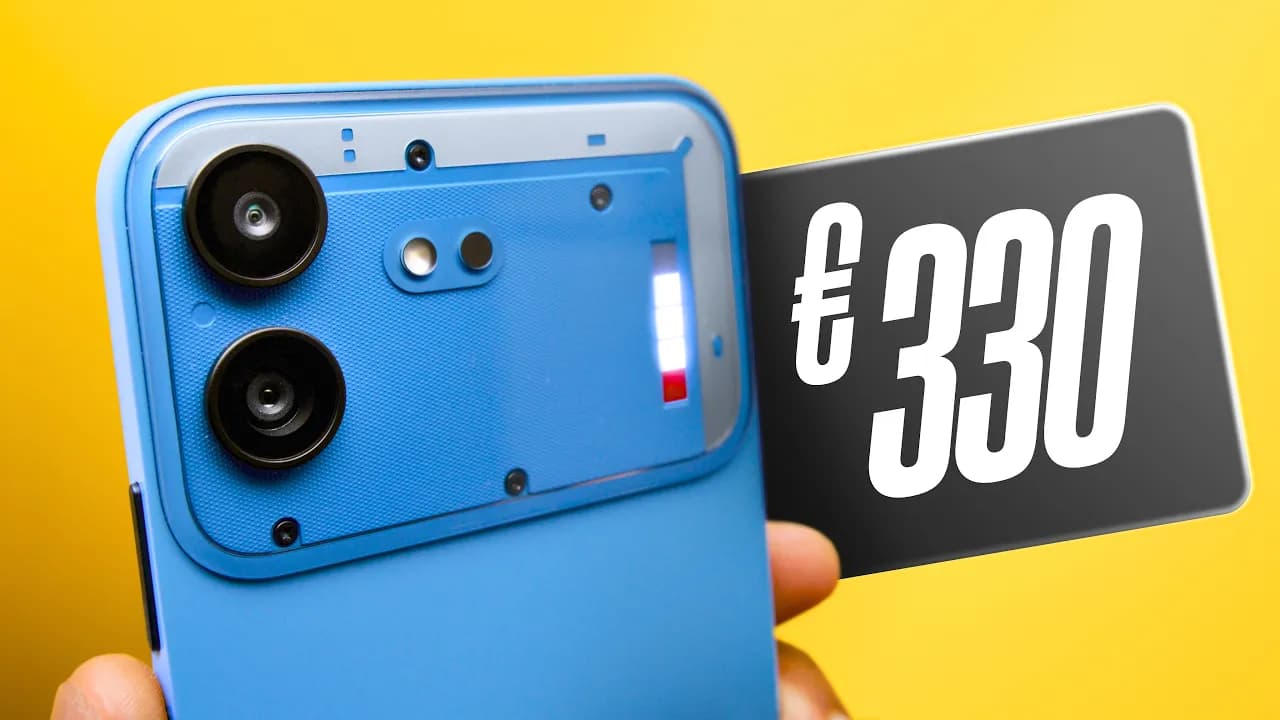
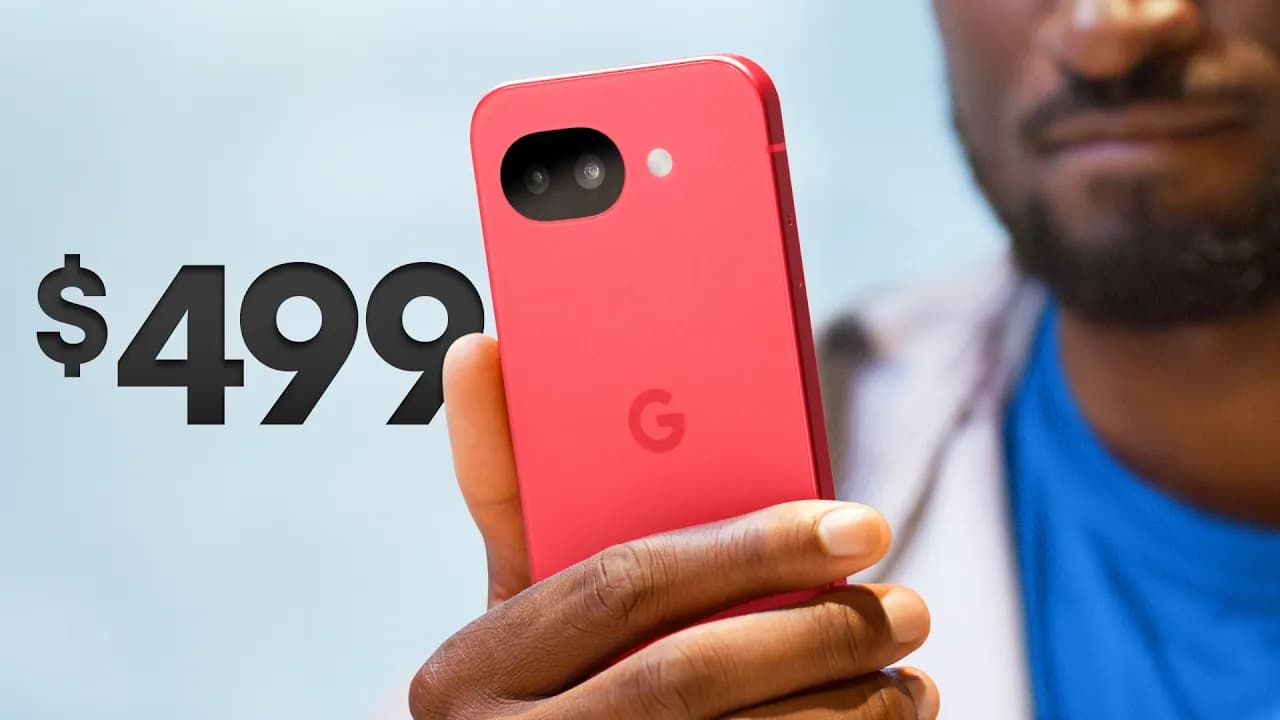
New Nothing Phone 4A (€349 in Europe and other markets) and 4A Pro (starting at $499 US). No Nothing Phone 4. Best looking Nothing phones ever. 4A has Snapdragon 7S Gen 4, triple cameras, higher refresh rate OLED display, 5,000+ mAh battery. 4A Pro is higher-end version with unique design features.
Compelling budget phones. Pixel 10a ($499), iPhone 17 ($599). Perfect slot for Nothing. 4A blue with matte blue sides, semi-transparent back, dotted text, textures. Triple cameras vs. iPhone 17e single camera, Pixel 10a dual.
Nothing OS 4.1 on Android 16. Smooth, responsive even without high-end chips. Updated to UFS 3.1 storage for faster app opens. Refined animations. More home screen customization, folder controls. Playground community-driven web store for custom widgets: arcade game in 1x1 box, countdown for day/week/month/year. Far into 2026. Unique character, miss features on other phones.
Back lights: seven LED dots lined up on right, bottom one red. Volume indicator for music (flip phone over), progress bar for Uber/Google Calendar, glyph timer countdown. Red dot blinks for video recording.
Not super premium but fine for price. 128 GB starting storage. Plastic/recycled materials, Gorilla Glass 7i front, IP64 rated.
Nicer feel, emulates high-end flagships. Unibody aluminum (fingerprinty, hard to clean), cold metal. Cameras and new glyph matrix in clear cutout. Triple cameras with bigger sensors, ultra-phone style plateau, red dot. Thinner bezels, larger screen in smaller footprint. Snapdragon 7 Gen 4 chipset.
Pixel dot-style display, scaled-up lower-res brighter version of Nothing Phone 3. Fully customizable, display images. Missed Slack notification shows icon face-down. Missed message from Bay shows heart. Pre-made icons for notifications/contacts, custom images. Wish to draw directly on matrix. Countdown animation intricate but doesn't integrate with clock app. Encourages face-down use to check notifications selectively.
Minimal AI: intelligence toolkit with AI wallpaper generator, custom ChatGPT widgets, Essential Space via side shortcut button.
Nothing avoids high-end flagship because they can't compete now. Last high-end: Nothing Phone 3 ($800) last year, not competitive, fans disliked price. Carl Pei (CEO) video: not making flagship every year, wait for meaningful upgrades. Small company, smaller supplier orders mean higher part costs. Skyrocketing RAM prices hit harder. Bigger companies locked in lower prices. Can't do Snapdragon 8 Elite Gen 5, 16 GB RAM, 7,000 mAh silicon-carbon battery—expensive, hard to get. Fans buy for other reasons. Avoid flagship to dodge criticism for mid-range chip in flagship body. Instead, mid-range 4A, upper mid-range 4A Pro. No Phone 4 with top chip.
Snapdragon 7 Gen 4 good, with refined animations/UFS feels flagship-like (hard to tell without gaming/benchmarks). Flagship shape, camera plateau. Spec differences minor: 5,000 nits peak brightness (vs 4A 4,500 nits)—little visible difference. IP65 vs IP64 (both handle splashes). No wireless charging on either (Pro unibody lacks cutout like iPhone 17 Pro). Both LTPS displays, variable 30-120Hz (Pro specs say 144Hz, settings confirm, but never hits even forced—stays 120Hz, like old Asus phones for few games).
Triple cameras on both: not standout, average. Serviceable photos, some HDR issues, noisier than expected. Same focal lengths: 8 MP ultrawide, 50 MP main, 3.5x telephoto. No 4K ultrawide video (8 MP sensor vs 12 MP needed). Pro extra: 140x ultra zoom (vs 70x, digital crop—minimal difference).
4A Pro less 'pro', more upfeatured for $150 more (US market). 4A is the one.
Keep Marques Brownlee in your library
Save the videos and channels worth coming back to, and find them again in one place.