Peptides: The Science, Uses & Safety | Dr. Abud Bakri
In a Nutshell
Dr. Abud Bakri explains that peptides like BPC-157, Pinealon, Epitalon, GHK-Cu, and thymosin variants show promising regenerative, neuroprotective, and immune-modulating effects in animal studies and anecdotal human use, but most lack robust human trials, known receptors, or established safety data such as LD50 values. Regulatory status is shifting—BPC-157 was recently removed from the FDA's "do not compound" list but remains unapproved—while compounding pharmacies, research-chemical sites, and gray-market sources create inconsistent quality and legal risks for users. The most practical takeaway is that peptides require physician oversight, lab monitoring, and foundational health practices first, as stacking them (e.g., GLP-1s + growth hormone secretagogues + androgens) can accelerate fat loss and recovery but carries unknown long-term risks, especially for cancer, hormonal disruption, and sourcing contamination.
These notes were generated by AI and may contain inaccuracies.
People are now stacking their GLP-1 as their insulin sensitivity tool, their growth hormone or their GHR, and their androgen modulation therapies as this trinity stack to get very fit and very healthy quickly. A lot of transformations seen in CEOs and celebrities use a combination of those three things. TRT plus peptide or retatrutide, then using a growth hormone modulation whether growth hormone or tesamorelin. People lose a lot of fat and gain a lot of muscle in short amounts of time.
Welcome to the Huberman Lab podcast where science and science-based tools for everyday life are discussed. Andrew Huberman is a professor of neurobiology and ophthalmology at Stanford School of Medicine. Today's guest is Dr. Abu Bakri, an internal medicine physician extremely knowledgeable on the science and use of peptides. Peptides discussed include FDA-approved peptides such as the GLP agonists (Ozempic, Mounjaro, and retatrutide) as well as peptides such as body protection compound 157 or BPC-157.
BPC-157 has a very long history of being used in humans for gut health and tissue repair. There are many interesting studies in animals supporting its potential use in humans, but a minimum of formal studies in humans (one). Growth hormone secretagogues like tesamorelin, MK-677 and others are discussed. GHK copper is used to promote collagen synthesis and repair for aesthetic reasons like improving skin and hair. Peptides studied for DNA repair and longevity like epitalon and pinealon have also been touted to improve REM sleep and cognitive function.
What is known and not known about these peptides is explored in terms of function and safety. Dr. Bakri has encyclopedic knowledge about these peptides. Thinking about peptides is based on whether or not they have known receptors, which is very important for their real safety profiles and particular concerns when considering using peptides of any kind. Dr. Bakri comes at this topic through the lens of a physician but is also very interested in the current status and future of peptide medicine.
Peptides are one of the languages of the human body. The body uses different languages to communicate between cells going from DNA to RNA to proteins which can be broken down as polypeptides and peptides. Steroid hormones are another language. Peptides can be broken down further into subcategories based on whether or not they have receptors or have no receptor, which changes the clinical effects. GLP-1s have a very strong clinical effect compared to obscure peptides like BPC-157, TB-500, TB-4 that don't have a clear target. They have receptors but many of them, or they don't even have receptors identified for BPC-157 or TB-4.
There is a distinction between peptides with known receptors like the GLPs and peptides that do not have known receptors but can impact biology in interesting ways based on animal data. BPC-157 might have an elusive receptor or could be modifying certain proteins that already exist or linking different proteins together in a more favorable fashion for gene transcription. Russian peptides are all epigenetic modifiers that bind to the groove of the DNA in certain spots that either open up or close the chromatin to certain areas of genetic expression. They have been modeled like a steroid hormone where steroid hormones bind to a receptor like the androgen receptor binding DHT or testosterone goes into the nucleus and turns on androgenic genes. Pinealon shuttles heat shock proteins with androgen receptors.
Most people are listening because they want to hear about the non-GLP peptides, so BPC-157 is the starting point. What it is, what is known about it, safety, and stance from the perspective of a consumer and a clinician are explored. Humans have been looking for medicines in plants for thousands of years and in the last 150 years have been looking for medicines in cells. Animal-derived versus plant-derived medicines is the framework. Aspirin, metformin, and the statins were all discovered in plant tissues. Statins were more from fungi.
Animal tissues are now being examined to find cures, medicines, and treatments. A group in Croatia in the 1990s looked for this peptide called BPC that they eventually named BPC. It is a 40,000 Dalton giant peptide called BPC. BPC-157 is 15 amino acids from that giant peptide. Humans do not naturally make BPC-157. Humans make BPC, the big protein. In the laboratory, tissue can be taken, ground up, fractionated by separating cells and tissues and liquids according to the size of different proteins using different filters. Sequences are figured out and then they are thrown on cells or put into animals to figure out what they do.
The motivation was to look for what eventually became BPC. Pavlov, the scientist who did the dog experiments with the bell and salivation, also worked on gastric juices of dogs. He would put a hole in the dog's stomachs, feed them food, and then get the gastric juices and sell that as a medicine. That was how he made his money. Pavlov had a code like enter Pavlov for discount at checkout. Gastric juices had positive effects on healing for people that had GERD and GI distress. People were taking BPC in the time of Pavlov without knowing what BPC was. They were taking gastric juices from dogs for GI distress, GI discomfort, and some were trying for wound healing. There was a big push in this era for finding animal tissues and putting them into humans.
That science fizzled out. At the same time Hans Selye was coming up with the stress adaptation theory and noticed that animals that are stressed out have three things happen: their adrenals get really big so they make more cortisol, their gastric lining gets destroyed, and their thymus gland and lymphatics shrink down. Selye has a published paper with clear adrenals from a stressed animal versus a non-stressed animal and thymus from an animal that is stressed versus not. The group thought Pavlov had this gastric juice and Selye said there was damage during stress, so there must be some kind of cytoprotective or organoprotective compound in the gut. The stomach is a very rich endocrine tissue. It makes ghrelin and all these other hormones, so there must be something else in the gut juice that protects the gut lining from further damage.
People were drinking the gastric juices of dogs. Drinking was mostly what they did. It was supposed to be a medical elixir. It had many things in it, many peptides. Peptic issues and upset stomach were what people were thinking. Reports point to the fact that it might have worked. This was in the early 1900s. Selye was 1930s. The Croatian group was 1991. Their first paper talks about there must be some kind of compound. They identified the big 40 Dalton protein BPC. They asked what was causing the actual biological effects and identified BPC-157, the 15 amino acid peptide causing all these effects. There are actually more peptides in gastric juices that some other scientists may or may not have already identified.
The field of peptides is going to be very interesting because almost every organ has a signature of peptides. Dr. Vladimir Vulvich in the 1850s-1880s finds carnosine and carnitine in muscle of cattle. The first peptides that are found are carnosine and then carnitine as the amino acid that have positive effects on strength training and performance. The idea was there are muscle peptides that may have muscle effects. Gut peptides might have gut effects. The Croatian group isolates this 15 amino acid mini segment of BPC. They and others start injecting into mice inducing injuries to nerve and tendon.
They did all kinds of things to these mice. They would sever tendons and then give them BPC through oral or injectable intraperitoneal administrations and they would have faster healing times. They would sever ACL of the mice. They would do burn wounds. When a patient has a burn wound in the ICU, they end up having crazy gastric ulcers, but if they were able to put BPC on topically for the mouse, they would have no gastric ulcers. They name it as this anti-stress compound. When they do the Achilles paper on the mice, that is what explodes the bodybuilder interest and leads to today where MSK injuries must be BPC, tendons and muscle injuries. The original idea of BPC was to use it as a gastric treatment, not as a musculoskeletal treatment.
Eight makes smart mattress covers with cooling, heating, and sleep tracking capacity. One of the best ways to ensure a great night's sleep is to make sure the temperature of the sleeping environment is correct. The body temperature has to drop by about 1 to 3 degrees to fall asleep and stay deeply asleep. Eight automatically regulates the temperature of the bed throughout the night according to unique needs. The Pod 5 has a feature called autopilot which is an AI engine that learns sleep patterns and then adjusts the temperature of the sleeping environment across different sleep stages. It will even elevate the head if snoring. Eight.com/huberman saves up to $350 off the new Pod 5. Lingo is an everyday wearable that tracks glucose 24/7. Glucose drives a lot of key processes that support energy, body composition, and long-term health. When glucose is constantly spiking and crashing, metabolic dysfunction can start. Over time that can progress to pre-diabetes. About 115 million adults in the US have pre-diabetes. Most do not know it. A higher percentage of men have it than women. Tracking glucose with Lingo can help see how food, activity, and stress impact glucose throughout the day. hellingo.com/huberman saves 10% on a four-week plan.
Nerves do not like to regenerate in the central nervous system. Peripheral nervous system they do it slowly but they do it. Not in the central nervous system. Data show acceleration of healing of tendon, ligament, and nerve pathways in animals. It generally promotes repair. It is weird because nerves are a very different cell type than a fibroblast or bits of collagen that make up different connective tissues. BPC-157 is modulating a lot of growth and healing pathways. In models of damaging the endothelial layer or the epithelial layer of different tissues, more VEGF signaling occurs. Vascular endothelial growth factor creates more blood vessels being formed, which creates controversy around BPC safety. Cell migration occurs especially when coupled with TB-500 and TB-4. More access of healing factors to the area occurs through androgenic pathways. An anti-stress effect occurs.
They gave corticosteroids with BPC-157 to these mice. Usually when there is a wound and corticosteroids are given, the corticosteroids will slow or even stop the wound healing. When BPC was administered, the healing was either the same or even better. BPC-157 is more putting the gas pedal on these processes to bring in the immune system and the healing factors. In one tendon model, it increased the amount of growth hormone receptors on the tendon. Theoretically this would allow more growth hormone to dock in and cause the outgrowth of the tendon and the regrowth of it. Downstream it modulates nitric oxide synthesis, which is a big thing when it comes to wound healing because blood vessels need to dilate and different cells need to be called in.
They did weird things on the neurological side. They would make these mice drunk and then give them BPC and they would get less drunk and when they go through mazes. They would give the mice alcohol and then have them withdraw from alcohol. Withdrawal is deadly. If a patient in the hospital withdraws, they could die during that withdrawal if they are not given benzodiazepines. They got BPC and they did not have the withdrawal symptoms. This is a very interesting compound. The neurological, neuropsychiatric, and gastric effects are way more interesting than the MSK stuff because it is modulating the gut-brain axis in an interesting way. People come and say their Adderall is not working since they have been taking oral BPC. They are not happy. They are very mad because it seems like it is blunting their Adderall. It is doing something from dopaminergic signaling on both sides, both withdrawal when it comes to the GABAergic side but also the peak of signaling.
On Reddit there are anhedonia discussions about BPC. People feel depressed and low energy. In terms of effects in animals and anecdotal reports in humans, there are no known adverse events from people taking BPC known and documented that are unrelated to contamination. In the literature when it comes to animal data, they have injected animals with a thousand times the dose of BPC with no real adverse effects. The LD50 of BPC is not known, which makes it hard for it to become FDA approved. LD50 is the dose of which would kill 50% of the animals if it was administered to them. This is an important number to determine for any drug. Every drug taken on or off the counter, prescription or non-prescription, has gone through LD50 testing in animals.
To be a clinician to prescribe this, the LD50 needs to be known which limits prescribing. There were two very small phase one and phase two trials on rectal BPC enemas in the early 2000s from that same Croatian group. That is the big concern with BPC. All the data comes from one group. People can be skeptical. There are a couple of Chinese groups that have also replicated some of their work. Those groups wanted to try to treat ulcerative colitis, a miserable condition where the immune system attacks the lining of the gut in multiple spots. They used enemas of BPC up to 80 milligrams which is much more than people would take. Most people are injecting 100 or 200 micrograms per day. The 80 milligrams was rectal enemas. They did a phase one and phase two trial. They did it for a few weeks and then re-measured. It was placebo controlled. The data is not available. The abstracts are only available. That gives pause when pushing that forward especially when legal discussions are happening on BPC. The first phase one trial showed no adverse effects. They did not even have BPC in the systemic system. That is a key point. Orally administered or rectally administered BPC does not seem to go systemic. If aspirin is taken and then blood aspirin levels are measured, the levels go up. When they measured BPC-157 levels in these individuals, they did not find it in the blood. Either it was broken down very quickly or it stayed locally to the lining of the gastric tissues.
BPC-157 exists naturally in the body as part of a larger protein. It remains unclear whether BPC-157 circulates systemically or remains restricted to the gut when not administered exogenously. When injected, BPC-157 goes systemic. Most users administer it either locally to an injury site or intraperitoneally. A 2024 paper demonstrated that fragments of BPC-157 can be detected, which has implications for doping detection since BPC-157 is now on the WADA banned substances list.
A phase one trial using 80 milligram enemas of BPC-157 for colitis demonstrated safety with no adverse effects reported. The phase two trial was small, involving approximately 40 patients, and showed a positive signal for ulcerative colitis. These trials were conducted in Croatia. The groups conducting the research performed randomized controlled double-blind placebo-controlled trials.
Clinical trials conducted in Croatia face skepticism in the United States and Northern Europe due to perceptions that US research represents premier science. Similar skepticism applies to Chinese and Russian studies, with concerns about potential data fabrication in Soviet-era research. Russian research historically focused on performance enhancement for astronauts, Olympians, and soldiers, whereas Western pharmaceutical research prioritizes profit-driven subscription models.
BPC-157 was never FDA approved. It falls under compounding pharmacy categories. Category 1 compounds are considered acceptable for compounding despite lacking approval. Category 2 compounds are designated as do not compound. In late 2024, BPC-157 and approximately 20 other peptides were moved to the Category 2 list. From 2017 to 2024, BPC-157 was prescribed in alternative medicine and anti-aging practices. Some compounding pharmacies relabel it as PDA (pentadecapeptide arginate), which is the same compound with different salt forms—one acetate, one arginate. As of April 2025, BPC-157 was removed from the Category 2 list but has not yet been placed on Category 1, which would allow physicians to prescribe through compounding pharmacies. PDA versions remain prescribable. State medical boards have varying positions, with some explicitly prohibiting non-FDA approved peptides regardless of FDA stance. Telehealth prescriptions are governed by the patient's state laws, not the prescribing physician's location.
A widely circulated story claimed an Eastern European athlete with a complete Achilles tendon transection used locally injected BPC-157 and subsequently medaled at the Olympics. This story lacks verification and is considered hearsay. At the time, BPC-157 was not on the banned substances list due to its obscurity. Athletes commonly explore compounds not yet banned. Peptides clear the system rapidly, making detection difficult.
The GLP-1 medications Ozempic and Wegovy received FDA approval for weight loss in late 2021 and 2022. Shortages led patients to source medications from Mexico at approximately one-tenth the US price. Compounding pharmacies were permitted to produce versions during shortages. Some clinicians charged patients significantly higher markups than pharmacy acquisition costs, with the clinician retaining the difference. This practice raises legal questions in many states. Telehealth platforms are emerging that function essentially as e-commerce with physician stamp approval rather than genuine medical care.
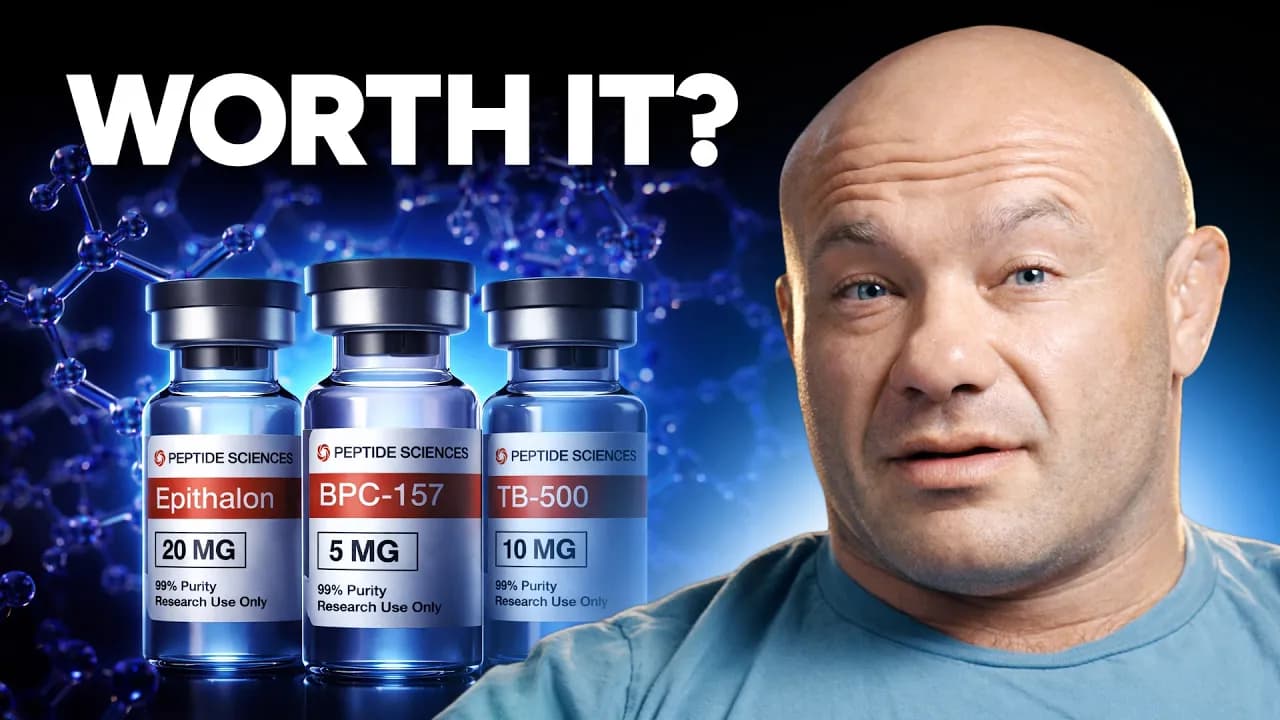
Gray market sources such as Peptide Sciences sold peptides labeled for research purposes only, not for human use. Purchasers signed disclaimers and used payment methods like Venmo or Zelle to accounts with changing names. The gray market peptide market in the United States is estimated at 5 to 10 billion dollars annually. All active pharmaceutical ingredients for peptides originate from China, with no American-made peptides available. Raw materials or synthesized compounds come from China and are finished domestically. Compounding pharmacies vary in quality control and testing standards. Some add B12 or B6 to compounded GLP-1s to address nausea or circumvent regulations requiring either shortages or unique patient needs. Gray market products show batch-to-batch inconsistency and may contain incorrect substances, as demonstrated by a case where a user received melanotan instead of the intended peptide.
More than half of the peptide market consists of female consumers, particularly for applications like GHK-Cu for collagen and skin rejuvenation. Black market peptides involve direct purchase from China via platforms like WhatsApp or synthesis in unregulated conditions such as bathtubs, carrying unknown quality and safety risks.
GLP-1 medications have reduced the stigma around self-injection. The small needle size and subcutaneous administration have normalized the practice, with patients now comfortable self-administering peptides.
A theoretical concern exists that BPC-157's angiogenic properties could vascularize and accelerate growth of undetected tumors in organs such as the liver, gut, or pancreas. No evidence from human or animal observations has demonstrated this occurring. Most carcinogenic compounds produce detectable signatures in animal studies.
Cardarine GW was a promising compound for diabetic implications and metabolism but became popular among bodybuilders for increasing cardio capacity. It showed a signal of cancer in animal data, leading to it being scrapped and banned on the WADA list.
There is no signal from the animal literature on BPC-157 for cancers. Almost all animal data comes from one research group in Croatia, requiring caution when interpreting claims about safety. A couple of Chinese studies also exist. Interest is growing with a phase two trial on hamstrings currently happening in the United States. An orthopedic group on the East Coast consulted about conducting a BPC-157 trial.
If BPC-157 moves to category one status, phase four trials could aggregate anecdotal data to identify signals. One observed signal on forums is hematomas getting worse, consistent with the VEGF pathway mechanism.
BPC-157 is not a uniform angiogenesis upregulator. In some models, such as a melanoma cell line, it decreases VEGF, suggesting potential anti-cancer properties that require testing. The lack of human data remains a significant gap despite promising animal literature.
Potential ICU applications include treating gastric ulcers during critical illness through infusion, though data is needed before such uses.
Multiple patents exist on BPC-157 depending on salt forms. The patent has moved between entities. TAVA, a generic pharmaceutical company that manufactures Adderall, holds one patent but shows little interest in developing BPC-157. Another patent expires in approximately 10 years. Dr. Sikiric in Croatia is the researcher behind BPC-157.
Peptide patent protection is weak because adding one amino acid or making minor modifications creates a different compound. Millions of people have already used BPC-157 through research chemical websites, removing financial incentive for large-scale studies unless crowdfunded.
Internal medicine practice involves managing patients from ER admission through ICU care across conditions ranging from pneumonia to post-coronary artery bypass cases.
Top areas for investigation include:
- Phase three trial on ulcerative colitis using an encapsulated oral version releasing deeper in the intestines rather than enemas
- GERD trial comparing BPC-157 oral capsules versus pantoprazole
- Neuropsychiatric studies on addiction, potentially through gut-brain axis effects on craving mechanisms
- Musculoskeletal applications, particularly tendon injuries such as post-surgical bicep or tricep tendon repair to assess accelerated healing
Anecdotal reports indicate BPC-157 provides gut protection. When traveling, users report avoiding traveler's diarrhea despite exposure to exotic foods. This aligns with animal studies showing protection deeper in the gastric tract from offending agents. The gut requires robust protective mechanisms against external threats, and BPC-157 may participate in pathways protecting vital organs through the gut-brain axis.
Athletes use BPC-157 for injury recovery. One proposed model involves post-surgical tendon repair where BPC-157 could accelerate healing, potentially reducing recovery from 12 months to 6 months after ACL surgery.
Local versus systemic administration presents challenges for controlled experiments. Systemic effects have been observed where treating one injury improved symptoms at a distant site.
Human dosing remains unknown. Standard online recommendations of 250 micrograms may be insufficient based on clinical observations. Higher doses have been used in some cases with reported faster healing.
One case involved a grade two tricep tear with visible bruising from shoulder to elbow. Local injection of BPC-157 combined with other peptides resulted in physical therapy noting unusually rapid healing within three weeks, compared to typical three-month recovery. The patient retained elbow extension, ruling out grade three tear.
Another report described a severe trapezius and neck pull preventing head rotation. Injection of 200 micrograms directly into the upper trap area resulted in complete resolution within two days.
All reported benefits are anecdotal. Some individuals report no effect or adverse reactions. Adverse events could stem from the compound itself, the solvent used, contamination, or individual responses. Without controlled data, outcomes cannot be definitively attributed to BPC-157 versus placebo.
Two concerning scenarios exist: if BPC-157 proves highly effective but remains inaccessible due to lack of studies, or if it is ineffective or harmful while millions continue self-administration through unregulated sources.
A third problematic outcome involves adverse events emerging without clarity on causation—whether due to BPC-157 itself, misuse, sourcing issues, or solvents—potentially causing the compound to be abandoned without proper investigation.
Current access occurs through compounding pharmacies with prescriptions or research chemical websites. The situation creates a wild west environment where the delivery method itself may pose risks separate from the compound.
Board-certified physicians face significant constraints. Prescribing or recommending BPC-157 in hospital settings risks license revocation. Clinic discussions may allow more open dialogue pending FDA determinations on category one classification.
If moved to category one, states may defer to FDA guidance, potentially enabling physician-patient discussions with informed consent, clear endpoints, and monitoring. Patients experiencing adverse effects could still pursue board complaints regarding use of non-FDA-approved compounds.
BPC-157 is now sold as an oral supplement because it has never been approved as a medication in the United States. Desiccated liver supplements contain peptides such as Ligamen and Ovagen that Dr. Vladimir Khavinson identified in organ tissues. Each organ carries signature peptides, and organ meat companies have historically been major distributors of these compounds.
Di- and tripeptides can be orally bioavailable when they have the correct shape and size. Heart tissue is rich in L-carnitine and contains Cardiogen, a heart peptide studied in the late 2000s that may be orally bioavailable, though limited research exists on this absorption.
When physicians discuss peptides such as BPC-157 with patients who have slow-healing injuries like ACL tears, they must address the unknowns around long-term data. Compounding pharmacies supply these compounds, and physicians may earn revenue from the prescriptions. This differs from traditional pharmaceutical models where doctors receive no direct percentage of drug sales, though indirect incentives like sponsored conferences exist.
Patients can ask their physician what the pharmacy charges versus what they are billed. Liability concerns are significant: if a negative outcome occurs, lawsuits typically name the physician, the compounding pharmacy, and anyone who recommended the compound. Most malpractice providers will not cover non-FDA-approved peptides.
Pinealon, also called the EDR tripeptide, originates from brain cortex extract rather than the pineal gland. Dr. Vladimir Khavinson developed it during Soviet-era research aimed at protecting soldiers, astronauts, and pilots from aging caused by prolonged isolation in submarines and space. The compound was sequenced from cortexin, a ground-up brain extract.
The speaker tested Pinealon at night and observed that a very small injection taken after waking to use the restroom increased REM sleep from roughly 1.5 hours to 3 hours within the same total sleep duration. Using it three times per month also improved REM percentage on intervening nights, suggesting lingering effects.
Pinealon functions as a transcription factor or assists transcription factors by binding to DNA promoter regions, exposing DNA for transcription and translation. It modulates pathways including GDF11, SOD1, SOD2, Irisin, PPAR-alpha, and PPAR-gamma, leading to improved brain metabolism. Originally developed as an anti-stress and cognitive performance compound, it was available orally in Kazakhstan.
Athlete studies showed that the Pinealon group maintained performance after exhaustive training compared with placebo. Morning dosing supports cognitive effects and reduces brain fog. Oral doses commonly range from 0.5 mg to 3 mg; Russian Khavinson formulations use 200 micrograms. The tripeptide is systemically available and likely crosses the blood-brain barrier.
Users report less brain fog, better daytime cognition, and improved high-intensity performance. Some experience a drop in blood sugar due to PPAR-alpha and PPAR-gamma activation, and A1C reductions have been noted anecdotally. Vivid, high-color dreams occur for many people. No clear adverse effects appear in the Russian literature, though it is not gold-standard Western research. Individuals with hypoglycemia or blood-sugar issues should exercise caution.
Epitalon is the tripeptide derived from the pineal gland. Pineal calcification appears on some MRIs, but Khavinson's research indicates that age-related decline in pineal function is primarily physiologic rather than purely anatomic. Epitalon increases expression of clock genes in lymphocytes and restores more rhythmic patterns, including higher morning cortisol.
Young infants show arrhythmic melatonin secretion with high REM sleep; rhythmicity develops with age. Modern artificial lighting and reduced sunlight exposure can shift or flatten these rhythms. Epitalon enhances pinealocyte function and melatonin synthesis enzymes, restoring production in aged models where levels have declined since puberty.
The concept behind bioregulator peptides involves restoring a more circadian-appropriate hormonal profile. Unlike GLP-1 drugs that produce effects for a week after a single dose, the Khavinson model proposes that these peptides are taken periodically and benefits accrue during the time off them. For example, Pinealon taken for a day or two or three days a month produces effects that persist until the next dose. The mechanism involves upregulating or downregulating certain genetic pathways into a more favorable state, with effects maintained afterward.
Khavinson conducted a 15-year longevity study in nursing home residents. One group received Epitalon in the form of Epithalamin, which is the whole pineal gland extract, along with a thymus peptide called Thymalin. The study used 10-20 day courses per year, administered at the beginning and middle of the year. Participants showed significantly lower mortality from cardiovascular disease, infectious risk, and cancers. This represents the most interesting longevity study observed, if accurate, because nursing home patients received peptides for only a small portion of the year yet accrued benefits throughout the year.
Interest in Epitalon developed from prior laboratory work focused on visual pathway repair to reverse blindness or impending blindness. Papers demonstrated effects in mice using Epitalon to combat neurodegeneration in retinitis pigmentosa, a common blinding disease, and in glaucoma. Epitalon appears involved in DNA repair, maintaining or restoring machinery that would otherwise be lost in optic nerve damage conditions modeling glaucoma, retinitis pigmentosa, stroke, and traumatic head injury. BPC-157 has not been extensively studied for optic nerve repair despite potential relevance.
Epitalon is viewed as supporting genetic machinery rather than functioning as gene therapy. In the eyes, it appears to repair photoreceptors damaged in retinitis pigmentosa. A hypothesis suggests Epitalon works on melanopsin, potentially upregulating melanopsin levels and making morning sunlight exposure more effective. Animal studies show that 5 days of pure darkness dramatically increases melanopsin in the retina. Many people report morning sunlight produces no effects, which may relate to insufficient darkness to regenerate melanopsin levels.
Clinicians must remain cognizant of historical abuses of medical trust. From the 1910s to 1940s, thymuses of young children were irradiated to prevent sudden infant death syndrome under the theory that an enlarged thymus sitting on the heart caused SIDS. This intervention caused at least 10,000 cancer deaths. Virchow, associated with the Virchow triad taught in medical school, promoted this therapy. These grotesque abuses of medical power necessitate careful consideration of interventions with a commitment to first do no harm.
The thymus is a gland located right above the heart, behind the collarbone. It grows under the influence of youthful hormones including melatonin, growth hormone, and DHEA. From birth until puberty, the thymus grows to a substantial size, potentially the size of half the heart or larger in infants. After puberty, under the influence of androgens, estrogens, progesterones, and corticosteroids, the thymus undergoes involution and shrinks. By adulthood, it becomes primarily fat with residual thymic tissue globules.
New England Journal of Medicine data indicates that removing residual thymus tissue during surgeries like open heart procedures leads to a mortality signal within the first 5 years post-surgery. Individuals experience higher rates of cancers and autoimmune diseases following thymus removal. The thymus receives both sympathetic and parasympathetic innervation via the vagus nerve, making it a two-way communication pathway with the brain where stress levels and sleep can influence thymic function.
The thymus secretes hormones and develops T-cells. Lymphatic cells originate in bone marrow and travel to the thymus for training to avoid attacking self-tissue while targeting foreign invaders or cancer. This training process functions optimally in youth. With aging, the thymus produces fewer hormones that train immune cells and fewer immune cells themselves. At age 15, approximately 10 to the 8th magnitude of naive T-cells are produced daily, which become CD4 and CD8 T-cells. These cells live 10-15 years. As thymus output reaches minimum levels, disorders including cancers, heart disease, and autoimmunity increase. A 2026 Nature paper found that individuals with higher thymic scores on MRI had less mortality across cardiovascular disease, cancer, and other conditions.
Thymic involution occurs primarily in the 20s and 30s under pressure from androgens, estrogens, progesterones, and corticosteroids. Castration can reverse some involution. Pregnancy causes thymic involution, which regrows during breastfeeding under growth hormone and prolactin influence. Hibernating animals show dramatic thymus shrinkage during hibernation with regrowth during feeding periods.
The TRIIM trial conducted by Dr. Greg Fahy administered a cocktail of growth hormone, metformin, and DHEA for 12 months, resulting in increased thymic size on imaging, increased CD4 and CD8 T-cells with improved ratios, and reduced markers of immune cell exhaustion such as PD-1.
Thymosin alpha 1, part of the thymic hormone family, consists of at least 21 amino acids. It increases T-cell development in the thymus, increases T-cell proliferation outside the thymus, and enhances T-cell ability to properly attack pathogens. It was FDA-approved as Zadaxin for children born without a thymus or with malfunctioning thymus, such as DiGeorge syndrome, to help develop T-cells. The approval may no longer exist. In other countries, it is approved as adjunct therapy for hepatitis B, hepatitis C, and cancers. Sepsis and infectious disease literature shows limited promise, though combination with antibiotics may accelerate recovery.
Thymosin alpha 1 has been used at 2.5 milligrams twice weekly during travel and while working hospital wards as prophylaxis against infections from planes, hotels, and patient contact. No flu, cold, or other infections occurred during this period. Administration timing is considered time-agnostic.
Thymosin beta 4, a 43-amino acid peptide discovered alongside thymosin alpha 1 in the Goldstein laboratory, assists with the actin cytoskeleton of cells. Immune cells require rapid actin cytoskeleton reorganization for movement. Thymosin beta 4 upregulates this movement capability. It has been used as a doping agent in horse racing, leading to documented doping scandals. Thymosin alpha 1 and thymosin beta 4 are produced in tissues beyond the thymus.
Veterinarians have shown openness to peptide use in animals. Testosterone has been administered to dogs later in life with reported improvements in health and happiness. The veterinary community has expressed interest in prescribing such interventions and conducting vasectomies on male dogs to preserve testosterone while preventing breeding. BPC-157 may have applications in pets given the substantial animal literature supporting its use.
The regulatory classification of BPC-157 remains unresolved regarding whether it will be treated as a supplement in oral capsule form or as a medication. RFK Jr. has indicated these compounds are supplements rather than medications. The distinction between over-the-counter supplements and prescription injectables, as seen with B12, may apply to peptides. Pinealon is available as capsules in Kazakhstan, Russia, and Ukraine.
Khavinson literature examines microgram dosages from 10 to 100 micrograms of actual raw peptides for bioregulators including Epitalon and Pinealon. Peptide mixes involve 10 milligrams of desiccated cow brain, which may yield a few hundred micrograms of Pinealon.
Warnings against consuming brains due to prion disease risks. Prion-related issues from the early 2000s dramatically set back animal-derived peptide research, as people became hesitant to use extracts. Eastern European researchers developed thymus peptide drugs from young thymus tissue, typically from six-month-old animals with large, hormone-rich thymuses. These were ground and injected, producing hundreds of papers showing positive effects. The American Goldstein group developed thymosin fraction 5 containing thymosin alpha 1 and thymosin beta 4, along with thymosin beta 10 and beta 9. The French developed thymulin, the actual main thymus hormone, distinct from thymalin, which is the Russian polypeptide mix.
Thymulin is a nine-amino-acid peptide that serves as a marker of thymus function and has neurological effects. It modulates the thymus-pituitary-adrenal axis and thymus-pituitary-gonadal axis. Thymulin levels decrease dramatically with age and are zinc-dependent, similar to how hemoglobin uses iron and GHK uses copper. Thymulin develops NK cells and T-cells and stimulates immune response. In animal models, when the pituitary is removed and ACTH or hCG is injected, thymulin sensitizes the end organ to hormone production, resulting in more testosterone production when combined with hCG versus hCG alone.
High thymulin levels in youth and low levels in aging create a feedback mechanism. If immune status is poor, investing in reproduction or producing high cortisol levels is biologically disadvantageous. High cortisol production shrinks the thymus, creating a negative feedback loop to prevent system overdrive. The question arises whether low testosterone and poor immune function in young men may be linked to thymulin status.
Thymulin itself has a very short half-life. The goal is to increase endogenous production rather than direct supplementation. Sufficient zinc status is necessary for thymulin production. The first sign of zinc depletion, before RBC zinc or serum zinc levels decrease, is that thymulin levels drop.
GHK-Cu is a tripeptide consisting of glycine, histidine, and lysine with a copper ion. It is found in type 1 collagen fibers throughout skin, hair, and connective tissue. Dr. Loren Pickart discovered GHK-Cu in collagen tissue in the mid-1970s and proposed it controls collagen synthesis and breakdown. Serum levels are high in youth, around 200 nanograms, and drop to levels seen in the 60s by age 65. This age-related decline is thought to contribute to loss of youthful skin appearance.
Pickart's studies examined topical applications for skin and hair. Injectable work shows faster wound repair in rat models when injected at different sites from injury, similar to BPC-157 research. GHK-Cu is sometimes added to BPC-157 and TB-500, creating what some call the "glow stack" alongside the "Wolverine stack." There is debate about whether mixing peptides causes denaturing. GHK-Cu upregulates both collagen synthesis and breakdown, enabling proper tissue remodeling rather than pathogenic structures from unbalanced activity.
Topical GHK-Cu shows positive effects on skin, comparable to retinol and vitamin C creams in studies, with anecdotal reports of reduced crow's feet. A hair study was not particularly promising, though some patients use it adjunctively with other topical hair loss agents. A Chinese group is studying GHK-Cu for lung regeneration due to connective tissue presence between alveoli, with potential relevance for COPD, smokers, and long COVID lung damage.
Any infection causes thymic atrophy beyond normal age-related thymic involution. The thymus shrinks during illness and regenerates during convalescence. Modern stress patterns prevent proper thymus recovery because people return to work quickly after illness, remain under artificial lighting, lose sunlight exposure, have poor vitamin D status, experience high blue light at night, consume processed foods, and maintain high stress. This leads to repeated illness cycles. Colleagues report getting sick three to four times per winter post-pandemic versus once previously.
Vladimir Khavinson developed thymalin with injectable and oral versions showing improved immune markers including increased CD4 cells, improved CD8 cells, and more youthful immune profiles. No dedicated branch of medicine focuses on general population immunity enhancement. Allergists and immunologists focus on allergies and severe immune diseases rather than optimizing immunity. Soviet-era research has been deprioritized in favor of more profitable pharmaceutical approaches, despite the limited supply of animal thymuses available for extraction.
Whole-body imaging can visualize thymus size but is costly. False positives and false negatives remain concerns with screening modalities. Lymphocyte count via CD4 to CD8 ratio provides a commercially available metric, with an ideal youthful ratio favoring more CD4 than CD8 cells. The lymphocyte-to-monocyte ratio from a standard CBC with differential, costing approximately $3, correlates with outcomes across cardiovascular disease, cancer, and diabetes. Young healthy individuals show 1,500 to 3,000 total lymphocytes, with hazard increasing around 1,000. High absolute lymphocyte count paired with low monocytes indicates a robust immune state.
Peptide interventions have shifted some patients from 4:1 to 8:1 lymphocyte-to-monocyte ratios. This metric is not part of standard guidelines and does not change acute hospital management, representing instead a long-term immune health indicator. Direct-to-consumer companies may drive adoption of such metrics outside traditional medical frameworks.
Growth hormone secretagogues such as MK-677 are FDA-approved for certain indications including small stature in children and post-surgical or burn recovery contexts, as well as HIV-related applications. These compounds increase growth hormone secretion indirectly rather than providing exogenous growth hormone. They vary in hunger stimulation effects. Growth hormone follows a circadian pattern with the largest pulse in the first 90 minutes of slow-wave sleep. MK-677 is an oral ghrelin agonist that produces non-pulsatile growth hormone release.
Somatopause occurs in the 30s when growth hormone production dramatically decreases. The sequence of glandular aging includes the pineal gland aging before puberty, the thymus right after puberty in the 20s, and somatopause in the 30s. Additional changes include adrenopause where adrenals produce less DHEA with altered cortisol ratios, followed by menopause, andropause, and other chronic conditions.
IGF-1 levels show dramatic decreases when comparing measurements at age 18 versus 30 and 50. Proponents argue that replenishing IGF-1 supports skin quality, sleep, muscle recovery, and joints. Growth hormone stimulates regrowth of an aged, involuted thymus gland.
The debate centers on whether growth hormone creates an oncogenic signal. Growth hormone does not cause cancer through a mutagenic effect like smoking, which causes direct carcinogenic damage. However, as a growth factor, it could potentially accelerate growth of existing cancer. No strong data demonstrates this risk.
Boosting thymic function through growth hormone may increase immune surveillance of tumors. Growth hormone-deficient models show longer lifespans. Growth hormone has negative effects from a cardiometabolic perspective.
In dogs, breeds with higher IGF-1 production downstream of growth hormone (such as Great Danes) live shorter lives compared to smaller breeds like Chihuahuas that produce less IGF-1. This relates to antagonistic pleiotropy, where growth hormone effects may be beneficial in youth but detrimental for longevity.
Growth hormone has become difficult to obtain through prescriptions following the Anabolic Steroids Act. Growth hormone is expensive, with Pfizer pens costing thousands of dollars.
People have shifted to using secretagogues in place of growth hormone due to cost and access issues. Secretagogues cost less than 100 dollars compared to thousands for pharmaceutical growth hormone.
Growth hormone does not cause strong shutdown of endogenous production like the testicular axis. Users report feeling great with younger appearance, improved cognition, and overall function. Some individuals have used 1-2 IU nightly for years and report functioning at a different level.
Growth hormone produces visible effects including shiny skin, healthier hair, and favoring conversion of T4 to T3, which alters thyroid dynamics. It also has protesticular effects via IGF-1.
The medical field has traditionally been against using secretagogues to address somatopause, though cyclical use may have a role. Theoretical protocols involve using tesamorelin for a period, measuring IGF-1 levels under clinician guidance, and assessing thymus size via MRI before and after treatment along with CD4 count changes.
Sermorelin dramatically increased deep sleep while reducing REM sleep, opposite to the effects of pinealon. It spiked PSA (prostate specific antigen) from a previously low, in-range level, prompting immediate discontinuation. PSA reverted to low levels after stopping.
As men age, the prostate enlarges under control of DHT, estrogen, and likely growth hormone. This contributes to BPH, causing nighttime urination and frequent bathroom needs. Prostate peptides studied by Sington are being translated from Russian literature by Brennan Henry through Aminoalition.
Growth hormone and secretagogues negatively affect insulin sensitivity, causing A1C increases. Bodybuilders note that individuals must be lean and healthy enough to tolerate growth hormone.
Tesamorelin is FDA approved while epithalon is not. Tesamorelin combined with epithalon creates large growth hormone responses with IGF-1 reaching 380-390 range. Tesamorelin has more fidelity with fewer ghrelin, prolactin, and cortisol effects compared to MK-677, which is a non-peptide GHRP.
A trinity stack combines GLP-1 medications for insulin sensitivity, growth hormone or GHR secretagogues, and androgen modulation therapies. This approach produces rapid fat loss and muscle gain. Common combinations include TRT plus Anavar with tirzepatide or retatrutide plus growth hormone modulation.
For women, the combination typically involves growth hormone secretagogues plus GLP-1 medications like retatrutide. Retatrutide affects GLP, GIP, and glucagon pathways.
GHK-Cu is available in creams for collagen effects. Well-formulated topicals that maintain the copper complex (which appears blue) are important, as research chemical products may be poor quality. Topical GHK-Cu has substantial human data for aesthetic outcomes, especially when combined with red light therapy.
GHK-Cu shows literature support for addressing post-UV damage. The blue pigment and red light appear synergistic. Injectable GHK-Cu is not FDA approved but may be considered in future regulatory discussions.
GHK-Cu should be used alongside existing skincare routines rather than replacing them. It has become popular among men entering skincare through looksmaxing practices.
Sunlight provides full-spectrum light including long-wavelength red, near-infrared, and infrared that may augment GHK-Cu effects. Proper spectrum balance is important, and 480 nm cyan blue light supports circadian function.
GLP-1 medications have made peptide injections more acceptable and driven broader peptide interest. BPC-157 gained attention partly through the GLP-1 wave.
Compounding pharmacy dosing errors have occurred with these medications. Some users report reduced motivation and drive beyond just food drive reduction. Semaglutide (Ozempic for diabetes, Wegovy for weight loss) and tirzepatide (Zepbound and Mounjaro) represent current approved options.
GLP-1 medications address obesity, prediabetes, and diabetes epidemics that would otherwise collapse the medical system through resource demands for dialysis, cardiovascular disease, and related complications. These drugs produce 10-30% body weight reduction compared to previous medications achieving only 5-10%.
Bodybuilders began using GLP-1s in the late 2010s. The medications originated from Gila monster saliva-derived GLP-1, which was modified for longer half-life. Early examples include Byetta used 25 years ago.
Questions remain about whether patients must remain on GLP-1 medications indefinitely or can titrate off. Pharmaceutical companies have not provided clear discontinuation guidelines. Weight regain occurs in some patients after stopping, returning toward baseline.
Set point theory describes how the brain integrates hormonal signals from gut peptides including GIP, GLP, glucagon, insulin, testosterone, and estrogen to determine eating behavior. GLP-1 provides a strong satiety signal to the brain.
Slow-release polymer delivery systems are being explored that could provide micro-doses of GLP-1 agonists with user-adjustable dosing. While some people express concern about lifelong injections, the health risks of remaining obese over shorter timeframes are considered more pressing. Newer delivery devices have already improved the injection experience for type 1 diabetics.
Zach Knight, a UCSF scientist and Howard Hughes investigator, noted that older diabetic drugs increased GLP levels only twofold to fourfold without significant weight-loss effects. Current weight-loss drugs such as Monjaro, Ozempic, and especially Retatrutide produce thousandfold increases in GLP-1. Long-term impacts on neuroplasticity and learning remain unknown. Effects could be beneficial rather than harmful, and assumptions of negative outcomes should be avoided.
GLP-1 drugs may offer positive effects for a 60-year-old pre-diabetic population regarding Alzheimer's risk, partly because diabetes and cardiometabolic disease accelerate cognitive decline. Obesity itself raises Alzheimer's risk. It remains unclear whether observed cognitive changes stem from direct drug-receptor interactions, excessively high dosing, electrolyte deficiencies, inadequate macronutrient or micronutrient intake, or low blood sugar.
Clinicians often start patients on the lowest effective dose of GLP-1 agonists combined with lifestyle modification, dietary counseling, and exercise programs. The goal is to eventually remove these supports or maintain them only as needed. Patients following this supervised protocol report fewer anecdotal negative effects such as depression compared with unsupervised high-dose users found online.
Some users experience low blood pressure from inadequate electrolyte or food intake. Others consume only one meal per day on mega-doses, which is not conducive to well-being. Eating is both pleasurable and social; reduced meals may decrease socialization opportunities. It is difficult to separate direct receptor effects in the brain (where appropriate doses reduce inflammation) from downstream behavioral changes caused by appetite suppression.
Literature shows GLP-1 agonists reduce alcohol cravings, possibly by altering dopaminergic signaling. This raises concern when users stack these drugs with ADHD medications or peptide stimulants. Some individuals purchase additional peptides from research sites after experiencing positive results, increasing average order value for vendors.
The medical landscape is now permanently post-GLP-1. Clinicians and health enthusiasts must adapt to this reality. Individuals using lower-than-prescribed doses, often obtained through cost-sharing or alternative sources, frequently report improved cognition. Possible explanations include enhanced insulin sensitivity and reduced body fat, an endocrine organ whose excess or deficiency both carry consequences.
GLP-1 receptors exist on POMC neurons. Reduced body-fat mass improves leptin sensitivity, yet downstream effects on the leptin-melanocortin pathway, thyroid hormone production, and reproductive status remain unexamined. Many women previously subfertile or infertile due to obesity become pregnant while using weight-loss drugs. Leptin status is a key fertility driver: both excessively low leptin (starvation signal) and leptin resistance impair fertility.
A Science paper indicated that leptin reaching a certain threshold signals the onset of puberty in females, reflecting sufficient energetic resources for reproductive competence. Both animal and human implications continue to be discussed.
Dr. Bakri tested a family member's overseas-purchased Ozempic pen suspected to be ineffective. After confirming it appeared non-functional, he self-administered 1 mg (well above the standard starting dose of 0.25 mg escalating to 0.5 mg). During a subsequent night shift he experienced severe projectile vomiting and presumed low blood sugar, rendering the shift extremely difficult. This anecdote underscores why titration must be slow and why self-experimentation is strongly discouraged.
Retatrutide is projected to become a trillion-dollar product not solely through weight-loss indications but through additional therapeutic uses that Lilly will pursue to extend patent protection. Companies routinely seek new indications for existing drugs to avoid repeating costly clinical trials and to prolong market exclusivity.
Retatrutide contains 39 amino acids. Biologics require more than 40 amino acids for classification, granting roughly 15 years of patent protection versus 5–7 years for shorter peptides. Lilly is reportedly attempting to modify the molecule to reach biologic status, which would prevent compounding pharmacies from producing generic versions once the drug reaches market.
If Retatrutide achieves biologic status, compounding pharmacies will be unable to produce it. Similar regulatory action recently removed hCG (human chorionic gonadotropin) from compounding availability. Compounding pharmacies currently possess the Retatrutide formula and can source API from China, but biologic classification would block this pathway. The Trump administration is pressuring Lilly and Novo Nordisk to lower prices; cash-pay options have already dropped from approximately $1,150–$1,500 to around $300 monthly for some formulations.
Oral semaglutide (Rybelsus) is a GLP-1 agonist that is not a peptide, yet produces similar effects to injectable semaglutide. The term “peptide” lacks a functional scientific definition when applied broadly; it can refer to anything from carnosine to Retatrutide. Clear nomenclature is needed to distinguish peptides with known receptors, regenerative peptides (e.g., thymosin alpha, TB-500), and immunogenic peptides.
No published animal or human data exist on BPC-157 or similar peptides in endometriosis or fibroid contexts. These conditions are primarily hormonal and metabolic; a qualified OB-GYN should manage them. No case reports suggest positive or negative effects from the discussed peptides.
Russian studies examined cortexin and cerebralysin for TBI, but these agents are unlikely to become available in the United States. No robust data support BPC-157 for TBI, though its neurological effects appear homeostatic: animal models show it prevents both excessive intoxication and withdrawal from alcohol, and attenuates both stimulant highs and subsequent crashes. This suggests BPC-157 may modulate the gut-brain axis to maintain balance rather than drive extreme states.
Most individuals currently obtain peptides from research-chemical websites whose contents are unreliable and may contain incorrect compounds or contaminants. Future physician-led telehealth platforms are expected to provide verified options at competitive prices. Patients should establish care with a clinician educated on peptides who can order appropriate labs (e.g., IGF-1 monitoring for growth-hormone secretagogues) and provide guidance on dosing and side-effect management. Foundational health practices—morning sunlight, sleep hygiene, minimally processed diet, and resistance training—must precede peptide use.
Dr. Abud Bakri, age 33, practices clinical medicine while maintaining a public-education presence. A new circadian-biology app he developed is referenced in the show notes.
Dr. Huberman discusses all platforms where he shares science and science-related tools, noting that some content overlaps with the Huberman Lab podcast while much of it is distinct. He directs listeners to find Huberman Lab on all social media platforms.
The Neural Network newsletter is a zero-cost monthly newsletter that includes podcast summaries as well as protocols in the form of one to three-page PDFs. These protocols cover:
- How to optimize sleep
- How to optimize dopamine
- Deliberate cold exposure
- A foundational fitness protocol covering cardiovascular training and resistance training
All newsletter content is available completely zero cost.
To subscribe, go to hubermanlab.com, go to the menu tab in the top right corner, scroll down to newsletter, and enter your email. Dr. Huberman emphasizes that the email is not shared with anybody.
Dr. Huberman thanks viewers for joining the discussion with Dr. Abud Bakri and for their interest in science.
Keep Andrew Huberman in your library
Save the videos and channels worth coming back to, and find them again in one place.