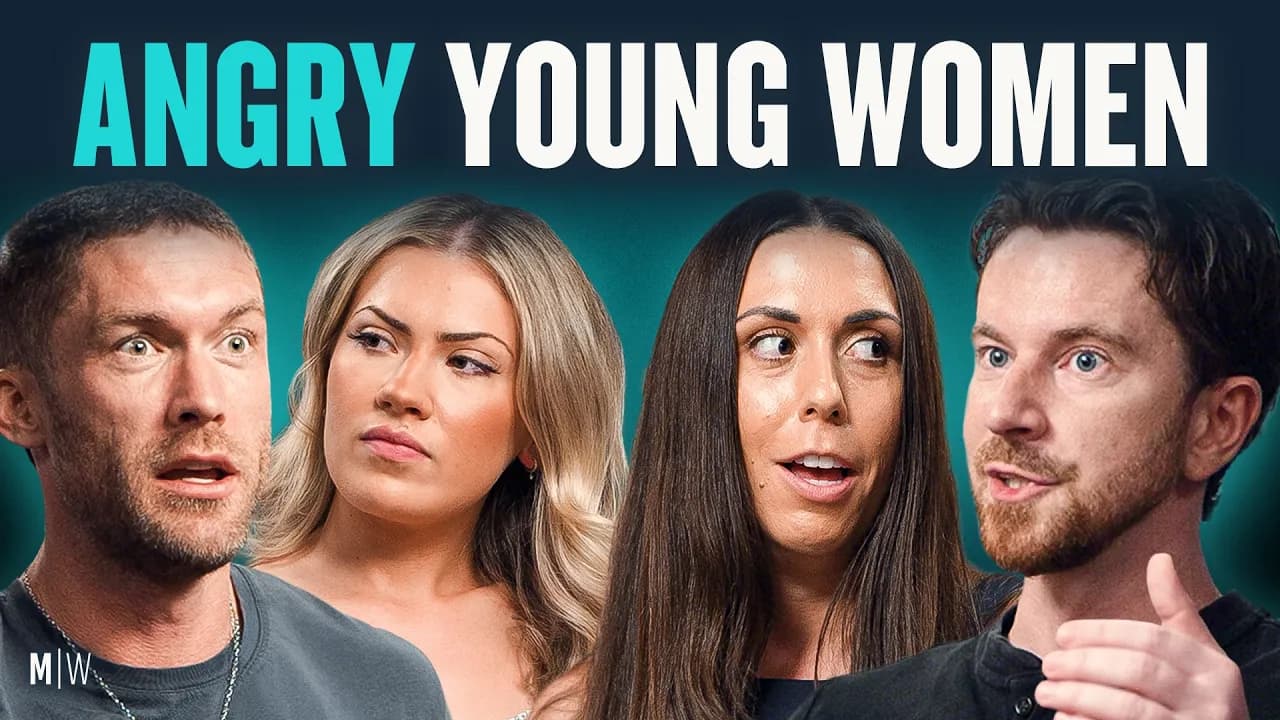
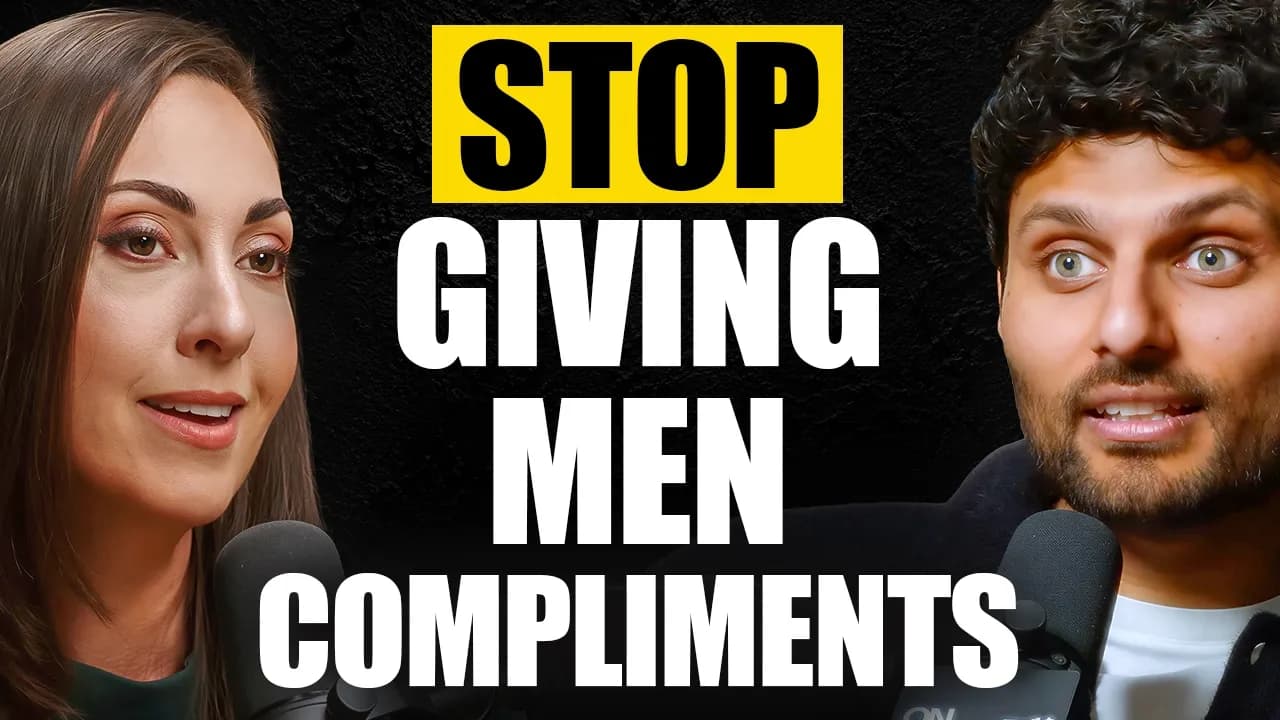
“Stop speaking in code”
In a Nutshell
Indirect communication, especially "stop speaking in code" like saying "leave me alone" when meaning "talk to me," is a self-protective tactic often used by women due to cultural penalties, social media advice, and learned behaviors from childhood that test others' care without vulnerability. Passive aggression and "shadow sentences" enable deniability while obscuring true intent, with women employing it more safely than men, who are directly aggressive overall. Female intrasexual competition involves layered, indirect traps (e.g., poisoned food via a child proxy), contrasting men's straightforward rivalry and remaining taboo despite academic validation.
These notes were generated by AI and may contain inaccuracies.
If someone says 'leave me alone' and you comply, you're dead to them. Being straightforward is a developable skill, especially for younger people. In college, people often communicate indirectly, like looking sad to prompt others to notice and dig deeper, then denying it to encourage more probing.
Don't talk to me means talk to me.
Indirect communication requires more effort to obfuscate true wants and is self-protective, like emotional flirting—testing if someone cares enough without fully exposing yourself.
Example: Saying 'Hey Chris, I'm feeling sad today. I don't know how this interview is going to go' might elicit a minimal response, so people pick spots or use socially appropriate ways to reveal emotions.
Women may say 'leave me alone' but mean the opposite for various reasons:
- Cultural lens: Women historically penalized more for open sharing than men; this persists today.
- Social media: Teaches tactics like 'never tell a guy X, do ABC instead.'
- Learned behavior: In fifth grade, pretending sadness gets boys' attention; this continues into adulthood on apps like Hinge.
Anecdote: Joe Hudson's 7-year-old daughter cried in the bathtub (sounded angry). When asked if she was sad or pissed off, she revealed crying gets hugs from her sister, while anger makes people run away.
Shadow sentences point toward what you mean without stating it directly, allowing deniability while denying the other person a clear chance to respond. Like telling someone to hit a bullseye with eyes closed or moving the dartboard.
Passive aggression (also called indirect aggression):
- Previously thought men direct, women indirect; recent research shows men more aggressive overall, including indirectly.
- Women use it more as it's socially appropriate and safer—less dangerous physically (e.g., woman swinging at man risks retaliation; man at buddy holds own).
- Evidence suggests women more direct aggressive with other women due to lower physical risk.
Female intrasexual competition is fascinating yet taboo online, with big disparity between discussability and interest. Researchers: Joyce Bensons, Candace Blakes, Cory Clarks, Christina Durantises, Tracy Vancingors (Mean Girl).
Anecdote: Woman kidnapped by Amazonian tribe receives food parcel from boy (actually from women). She smells it bad, sets it down. Child eats it later, gets ill; tribe accuses her of poisoning. It was a trap—women gave it via child knowing she'd reject it, enabling accusation and chase.
Male equivalent would be direct: 'Man, take rock. Man, throw rock.' Female version has layered redundancies.
Oh, I am so glad that I'm not a woman. I could not navigate that situation at all.
Posts on the topic draw heavy backlash despite being well-accepted in grad school studies.
Shopify powers 10% of US e-commerce (Gym Shark, Skiims, Aloe, Mutonic). Checkout 36% better than competitors; boosts conversions up to 50%. Award-winning support; handles coding, website, inventory. Sign up for $1/month trial at shopify.com/modernwisdom.
Keep Chris Williamson in your library
Save the videos and channels worth coming back to, and find them again in one place.