The #1 Predictor of How Fast You Age After 50 (& How to Fix It)
In a Nutshell
VO2 max is the strongest predictor of longevity—outpacing smoking, diabetes, and heart disease—with low fitness raising mortality risk five-fold. Norwegian 4×4 intervals plus regular long walks raise VO2 max most effectively, while supplements like NMN, resveratrol, and spermidine lack human evidence. Intermittent fasting supports mitochondrial cleanup, but fitness remains the top priority.
These notes were generated by AI and may contain inaccuracies.
Scientists tracked 120,000 people over 8 years and identified one single measurement that predicted who would die the earliest - more than smoking, diabetes, or heart disease. This measurement was not cholesterol, weight, or blood pressure. The measurement is VO2 max, which measures how fuel and oxygen move through the mitochondria to produce energy.
Many people focus on diet changes, supplements, fish oil, collagen, and intermittent fasting, yet still experience difficulty getting out of bed in the morning, running up hills, or recovering from workouts. This occurs because at the cellular level, fuel is present but does not enter the mitochondria effectively, resulting in fatigue and tiredness.
Research involving 120,000 people revealed the following risk multipliers for dying:
- Heart disease: 1.3 times risk
- High blood pressure: 1.4 times risk
- Type 2 diabetes: 1.4 times risk
- Smoking: 1.4 times risk
- Being unfit (low VO2 max): 5 times risk
Being unfit was the single biggest threat, exceeding smoking and other commonly addressed risk factors.
A Swedish cohort study of adults aged 60+ found that high total cholesterol was associated with a 30% lower risk of all-cause mortality. The Chinese Longitudinal Healthy Longevity Survey found that individuals with the highest LDL cholesterol had a 23% lower risk of all-cause mortality. Cholesterol is essential for cellular membranes and hormone production.
Identical twins with the same DNA and birthdate can drift 10 to 15 years apart on their biological aging clocks by age 50. While genetics may create vulnerability to certain conditions, epigenetics - the lifestyle factors - determine which triggers are pulled.
At age 61, the speaker reports feeling 21 years old. The speaker's daily routine includes long walks and Norwegian 4x4 interval training, which increased their VO2 max from an initial inability to complete 4 minutes to achieving a VO2 max of 47, placing them at the elite category with a biological age of approximately 32.
The following supplements are considered a waste of money for anti-aging purposes:
- Resveratrol - no longer considered effective as an anti-aging pill
- NMN/NAD+ boosters - no randomized controlled trials demonstrate they slow aging; cost approximately $70
- Telomerase activators - only one independently funded study that was never replicated
- Spermidine - no human trials
- Urolithin A - mechanism exists but effect size in humans is minimal
Regular long walks: 30 to 60 minutes, 3 times per week, at a conversational pace that does not cause breathlessness. This aerobic exercise builds more mitochondria.
Norwegian 4x4 interval training: Perform 4 minutes at maximum effort, rest 4 to 5 minutes until heart rate returns to baseline, repeat for 4 cycles. This protocol has been researched and shown to increase VO2 max most effectively.
Sprint training: Run sprints uphill one day per week.
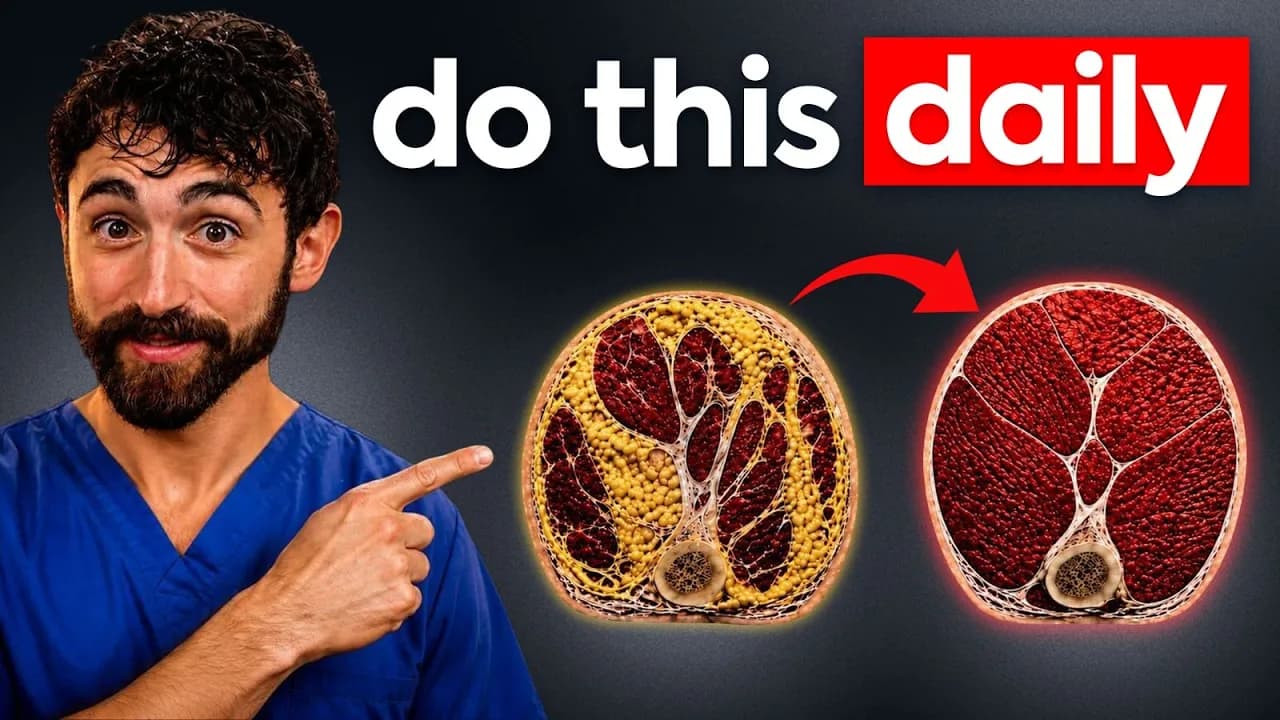
Resistance training: Build muscle to increase mitochondria and create a fuel tank that can absorb excess glucose.
Intermittent fasting aligns with ancestral eating patterns and allows for autophagy - the cleanup of damaged cell parts including damaged mitochondria. The speaker practices two meals per day with no snacks.
The single most important factor for extending lifespan is fitness, specifically VO2 max. The next most important area for longevity is intermittent fasting and prolonged fasting.
Keep Dr. Eric Berg DC in your library
Save the videos and channels worth coming back to, and find them again in one place.