The #1 Reason Your Vertigo Keeps Returning (& How to Stop It)
In a Nutshell
The #1 reason vertigo returns after the Epley maneuver is that high osteopontin levels keep detaching calcium crystals from inner-ear hairs; this is driven by low vitamin D activity, especially after menopause. Taking 6,000–10,000 IU vitamin D3, 100 mcg K2 (MK-7), and 400 mg magnesium glycinate daily restores control of osteopontin, secures the crystals, and prevents recurrence. The maneuver fixes position, but the vitamin protocol fixes the underlying cause.
These notes were generated by AI and may contain inaccuracies.
The number one reason why vertigo keeps coming back is that the Epley maneuver fixes where the crystals are but doesn't fix why those crystals keep falling off in the first place. The Epley maneuver positions the head to move loose calcium crystals back into their proper place to stop creating vertigo or dizziness, and it really does work. However, for a lot of people the dizziness keeps coming back, requiring them to keep doing the Epley maneuver over and over.
You have little calcium crystals that should normally be attached to tiny little hairs. The reason why there's calcium crystals at the top of this little hair is to help you sense your position in space. The problem is these little crystals can pop off and start floating in the wrong location creating vertigo. That's called BPPV (benign paroxysmal positional vertigo), which is the most common type of vertigo.
These crystals are supposed to be glued or cemented to the hair with a very special glue. It's a calcium binding protein called osteopontin. As long as this binding protein is keeping the calcium attached in the gel area, everything is good and there's no vertigo. However, when this calcium binding protein goes too high, it becomes unregulated and starts to degrade the connection between the crystal and the hair, which is what makes it break off.
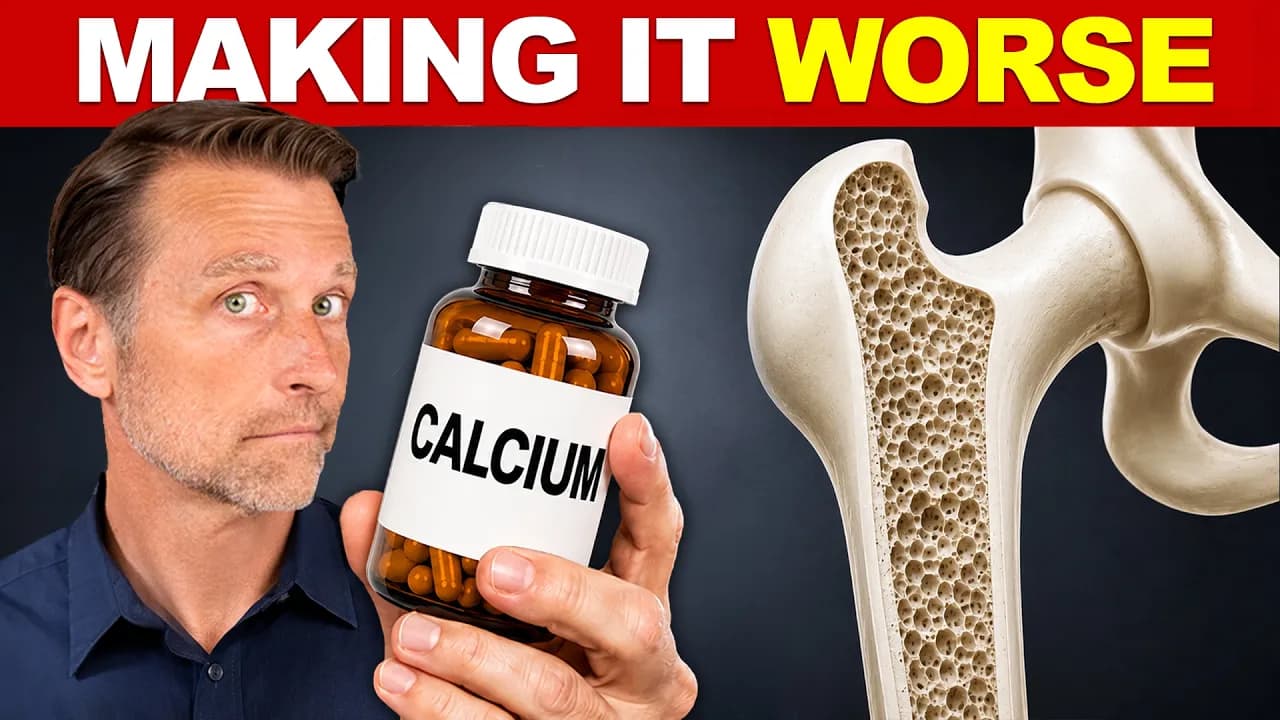
When this protein is too high in your bone, the calcium in the bone can't stay in the bone and starts leaving the bone. This is very similar to the calcium leaving the inner ear and traveling to another location. The main influence over that protein is vitamin D. There's significant research in people taking enough vitamin D and actually putting this condition back in remission, including a meta analysis on the prevention of BPPV using vitamin D. Vitamin D also controls calcium and helps you absorb calcium in your gut.
This condition is more common in women after menopause because when estrogen drops that far, the vitamin D receptor loses its sensitivity. There's a connection between low estrogen and vitamin D sensitivity. In other words, the less estrogen you have, the less vitamin D is going to work in your body because that receptor is no longer as sensitive to pull in that vitamin D.
The recommended protocol is not the regular RDA of 600 IUs of vitamin D3, as that's not going to do anything to really influence and get this calcium binding protein to be regulated properly. You would need between 6,000 to 10,000 IUs of vitamin D3 every single day. If you had osteoporosis, that number would probably be higher.
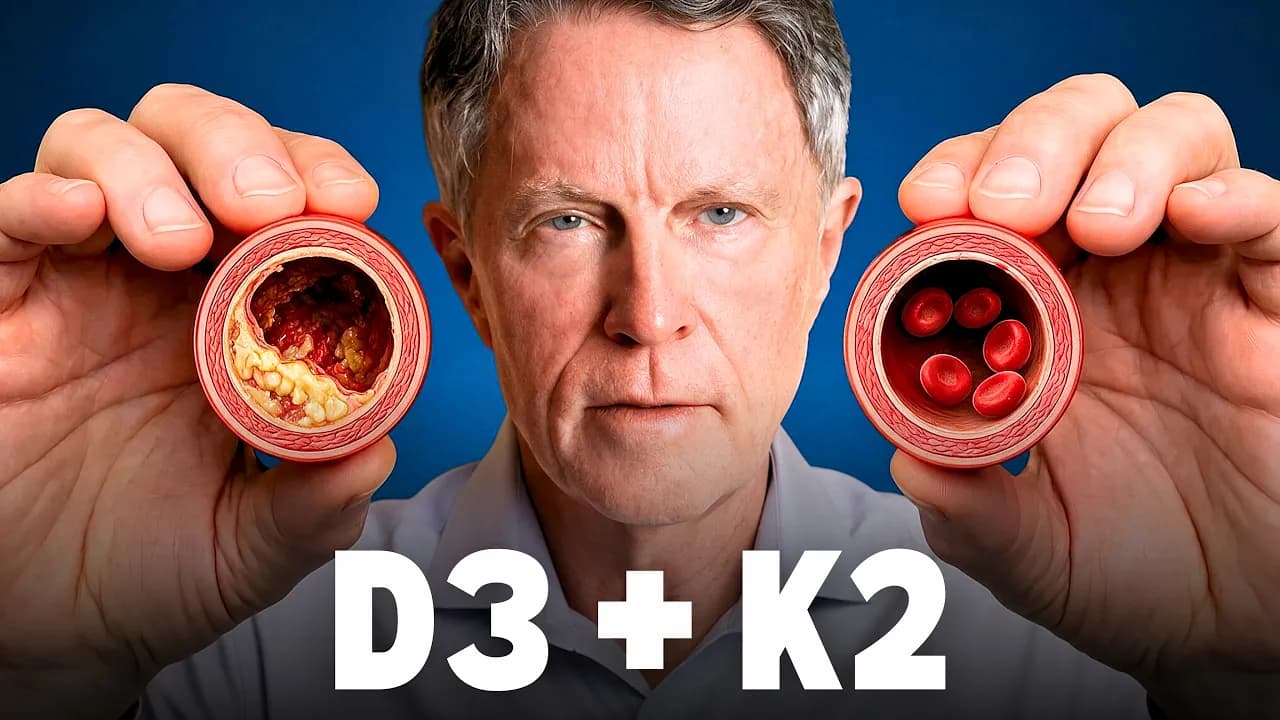
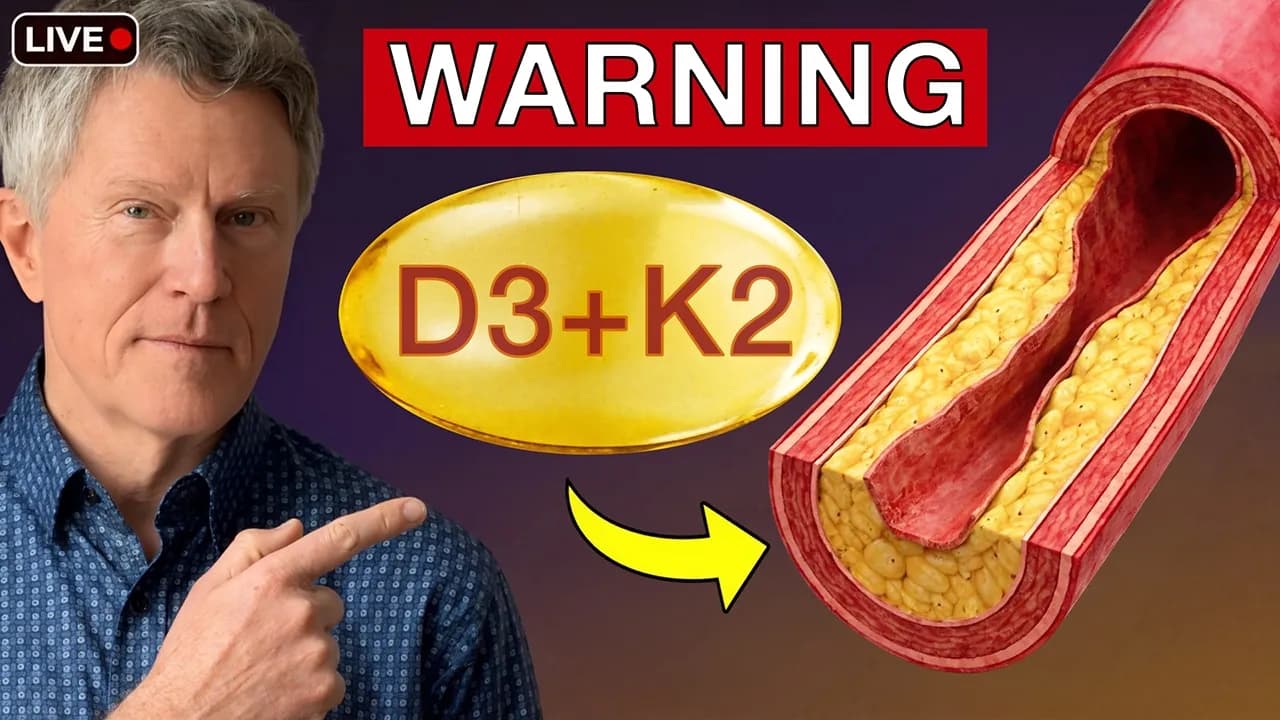
For every 10,000 IUs of vitamin D3 that you take, you need about 100 micrograms of vitamin K2. The MK7 version is recommended. Vitamin K2 has everything to do with keeping calcium out of the soft tissue and in your bone and your teeth.
Magnesium is the master controller over calcium and is a very important co-enzyme. If you don't have enough magnesium, vitamin D won't work and vitamin K2 won't work because both are dependent on magnesium. Many people are deficient in magnesium. The recommendation is 400 milligrams of magnesium glycinate with the K2 and vitamin D.
The Epley maneuver is the quick fix, but this vitamin protocol is the long-term fix. You should take this over a period of weeks to be able to make sure that this does not come back. What you're doing is building up your reserves so you have enough control over this protein to keep these attachments to the calcium secure.
This information is not available on mainstream sites like WebMD or Healthline because those established sites push out consensus from certain guidelines that are completely outdated and were last updated in 2017. The research is there and has been done, but it's just not out in the mainstream yet.
Keep Dr. Eric Berg DC in your library
Save the videos and channels worth coming back to, and find them again in one place.