Osteoporosis Isn't a Calcium Deficiency (Doctors Get This Wrong)
In a Nutshell
Osteoporosis stems primarily from magnesium deficiency, which impairs calcium regulation, vitamin D activation, and parathyroid hormone function, leading to bone loss even when calcium levels are normal. Taking calcium alone can worsen the problem by depositing in arteries or kidneys instead of bones. The fix requires therapeutic magnesium (300–400 mg glycinate, 3x daily), high-dose vitamin D3 (≥20,000 IU) plus K2 (40–45 mg), adequate protein, weight-bearing exercise, and stress reduction.
These notes were generated by AI and may contain inaccuracies.
Taking calcium can actually make osteoporosis worse. If you have osteoporosis and you're taking calcium, you may actually be making your bones weaker. Not because calcium is bad, but because of a misunderstanding of how bone really works and how calcium can go in the wrong place if certain things are not set up correctly. Patients are told to either take calcium or calcium with vitamin D to correct this problem. In fact, some people that take calcium even end up with kidney stones and hardening of the arteries.
Osteoporosis is not a calcium deficiency because bone is not just a calcium storage unit. Bone is a mineral bank for most of your phosphorus and over 50% of your magnesium. Magnesium is the key to understanding this whole story. Magnesium controls calcium. It tells calcium where to go and where not to go. Magnesium even allows vitamin D to work. Vitamin D cannot work without magnesium. It's dependent on magnesium.
One major cause of osteoporosis is when your parathyroid hormone, a hormone made by your parathyroid glands, goes into the bone and robs it. It takes this storage of calcium out of the bone and puts it in the blood. If the parathyroid gland is overworking over a longer period of time, that can create osteoporosis. Excess parathyroid hormone can come from low vitamin D because you don't have enough magnesium or you're just not taking enough vitamin D. Even if we just take away vitamin D, if you're low on magnesium, the parathyroid hormone can't work because it's dependent on magnesium. This is just another reason why a magnesium deficiency can cause osteoporosis even more than a calcium deficiency can.
People are taking calcium, they have normal calcium, yet they have severe osteoporosis because bone density does not equal bone strength. When magnesium is low, you lose calcium because magnesium controls calcium. The arteries can harden because now there's no instructions of where that calcium should go. You could be more susceptible to kidney stones. One of the best preventative things you can do or even antidotes for kidney stones is to up your magnesium.
When you get a blood test, it's very easy to detect calcium and phosphorus, but magnesium is very difficult to detect because the majority of magnesium is deep inside the cells, not in the blood. It's hard to know if you're really deficient in magnesium. The bone is a mineral bank and so it actually stores a lot of these minerals and so it will give up these minerals if the body needs to use them. A lot of times you don't detect a magnesium deficiency until late in the chain of events.
One of the biggest things that causes a deficiency of magnesium is stress and synthetic cortisol as in prednisone. That's a medication that a lot of people take. One of the big side effects of prednisone is bone loss. Another cause of bone loss is PPIs or antacids because you're altering the acid in the stomach and now you can't absorb minerals. If you don't have enough acid in your stomach, you won't be able to pull these minerals into the body and that alone can lead to bone loss or osteoporosis.
A common medication for osteoporosis is called Fosamax. What Fosamax does is it doesn't put the minerals back into the bone. It inhibits the cells that are breaking down bone. So it artificially slows down the breakdown of bone. There's another medication called Forteo. Forteo is one of the most effective drugs for osteoporosis. It mimics the parathyroid hormone. If you don't have enough magnesium, the parathyroid hormone is not going to function correctly anymore. But you take this drug that makes this work a little bit better, your osteoporosis improves, but not because you're getting to the root cause, which is a magnesium deficiency. You're working on something a little bit later in the chain of events. If someone is severely magnesium deficient, they're going to have what's called parathyroid hormone resistance. That's why this doesn't work that well, and this is probably why this medication does work.
The most important thing is to take enough magnesium. It's really hard nowadays to get enough magnesium from your diet, so try having large amounts of salads and foods high in magnesium. Even dark chocolate can give you some magnesium, but take it in a supplement. Take magnesium glycinate. Take it several times a day to have a therapeutic dosage between 300 and 400 milligrams. Do that three times a day. You're getting over 1,000 milligrams of magnesium. When you get enough magnesium, your body will start to control more of this calcium and start regulating it better. Then the parathyroid can start working better and your vitamin D can start being more activated.
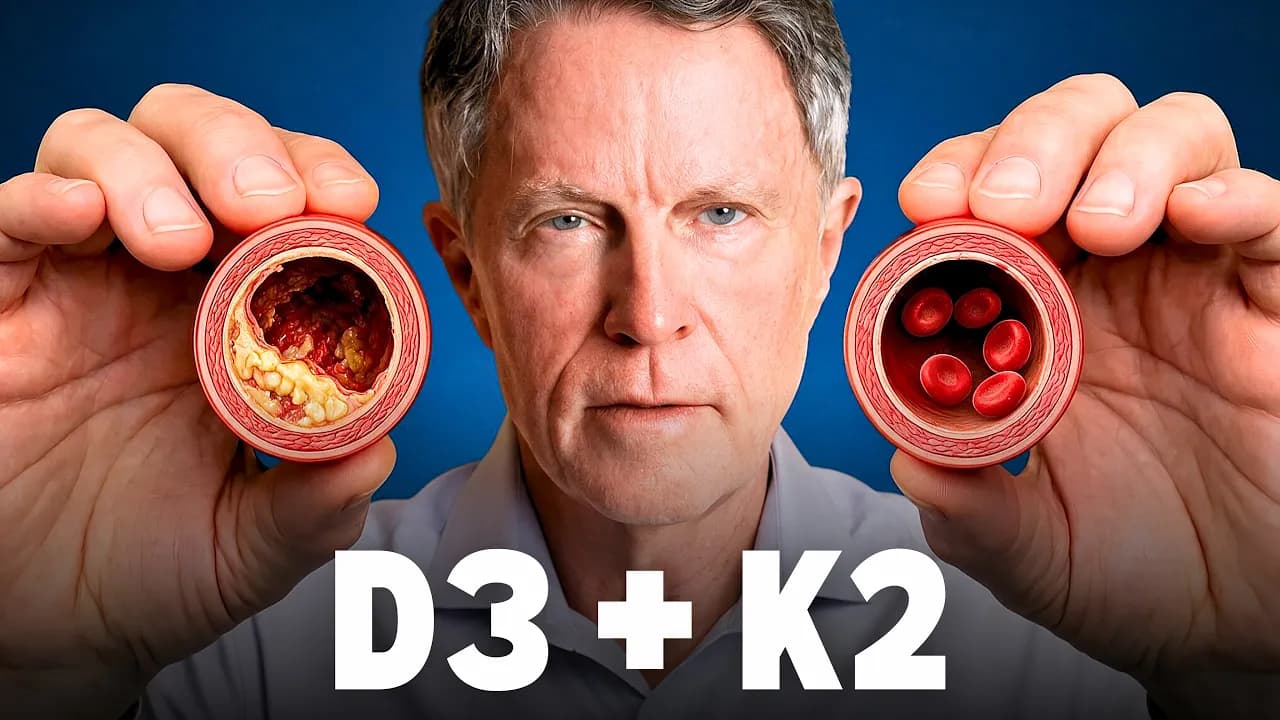
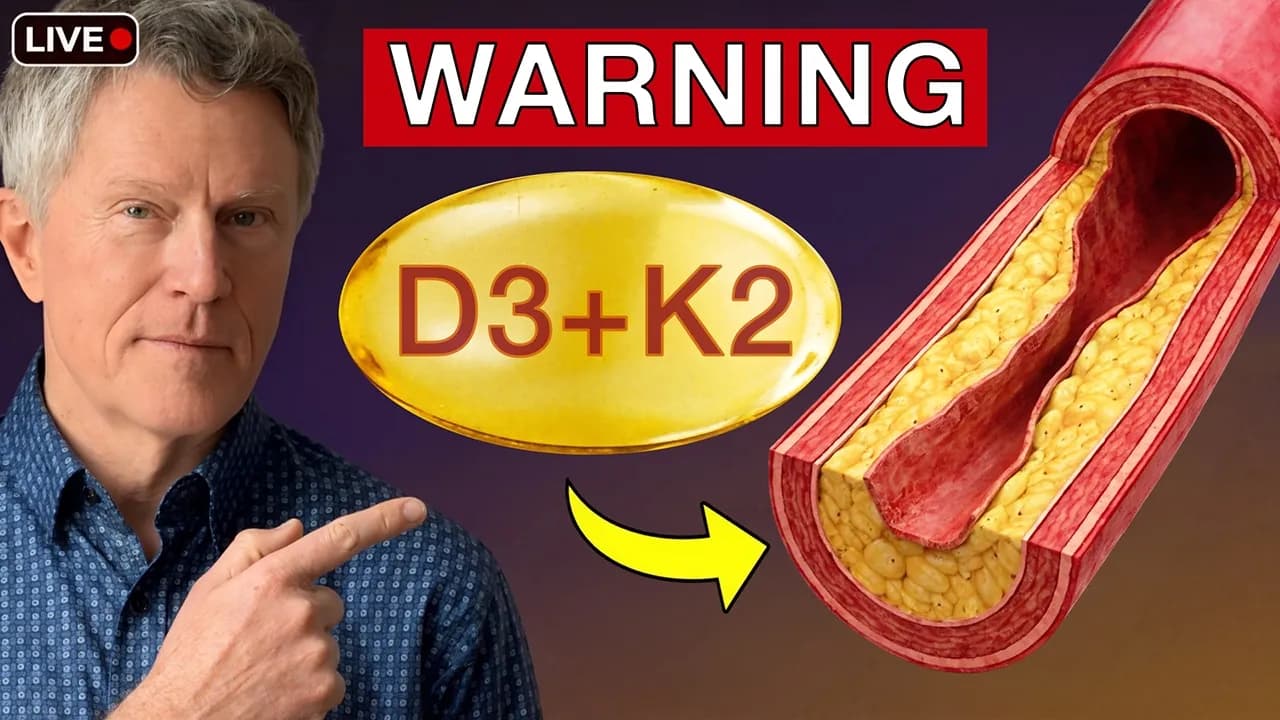
Take vitamin D. Vitamin D does help prevent another bone condition called osteomalacia which is softening of the bones. Vitamin D is super important in regulating calcium and helping your bones but also your thyroid gland. When you're low in vitamin D, your parathyroid gland goes up and it can start robbing calcium from the bone to put in the blood. Vitamin D helps you absorb more calcium in the blood. If there's enough calcium in the blood, there's no need to rob it from your bone. If there's not enough vitamin D, it's going to tell the backup hormone, the parathyroid hormone, to go and grab some extra in the bank in the bone and take it and put it in the blood. For osteoporosis, take no less than 20,000 IUs of vitamin D3. With that, also take vitamin K2. Vitamin K2 is another vitamin that's super important in making bones solid. Research on vitamin K2 out of Japan shows that women that take higher amounts of K2 are able to resolve their osteoporosis a lot faster. When you're dealing with osteopenia or osteoporosis, take therapeutic dosages of vitamin K2 in milligrams, not micrograms. Take between 40 and 45 milligrams of vitamin K2 every single day with the magnesium, with the vitamin D.
Bone also is made out of protein. Consume high quality protein as an animal protein to help build healthy bones. Do that with every single meal. Bones respond to physical activity, especially weightbearing exercises. The more sedentary you are, the worse off your bones. Exercise on a regular basis and work up to weight training as well to put more resistance on the bone so they'll respond and become stronger. Keep your cortisol as low as possible. Maintain good sleep cycles and keep your stress low through the movement mentioned or long walks every day.
Taking calcium is necessary, but it's not the main single mineral that's going to fix everything. Get your calcium from dairy. If you can't eat dairy like yogurt or raw milk cheeses, then take a calcium supplement, but take something that is more for bone formation, not just calcium carbonate, because it takes like 12 steps for that calcium carbonate to be absorbed. Many people are taking the wrong form of calcium.
Magnesium is super important, but there's another vitamin involved in this that's almost equally as important, and that's vitamin K2.
Keep Dr. Eric Berg DC in your library
Save the videos and channels worth coming back to, and find them again in one place.