The 20-Year-Old Cholesterol Study Everyone Missed
These notes were generated by AI and may contain inaccuracies.
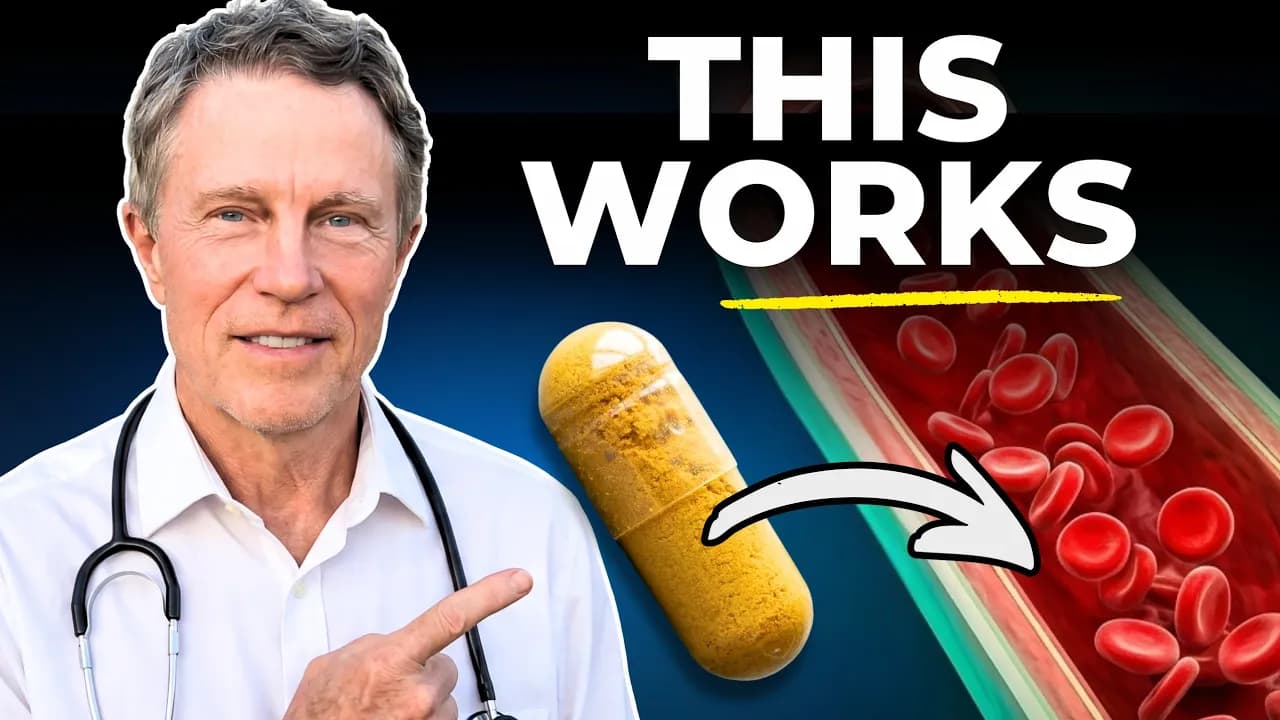
Pivotal study from 20 years ago shows you can lower cholesterol without prescription drugs and without changing diet. It's a simple, natural plant compound: berberine. Mechanism is totally different from statins. Changes how to think about cholesterol, LDL, ApoB manipulation.
Statins can decrease GLP-1, cause insulin resistance, risk for type 2 diabetes. Berberine doesn't. Giving the cell more time to produce the LDL receptor protein. LDL cholesterol dropped by 20%. Basically no side effects. Improved markers of liver function.
Always more details in the newsletter. Not a prescription, but excitement for understanding how bodies work for better health.
Six chapters: How statins work, The berberine paradox, Berberine randomized control trial, Berberine versus statins, My next big experiment, Why I wasn't told about this.
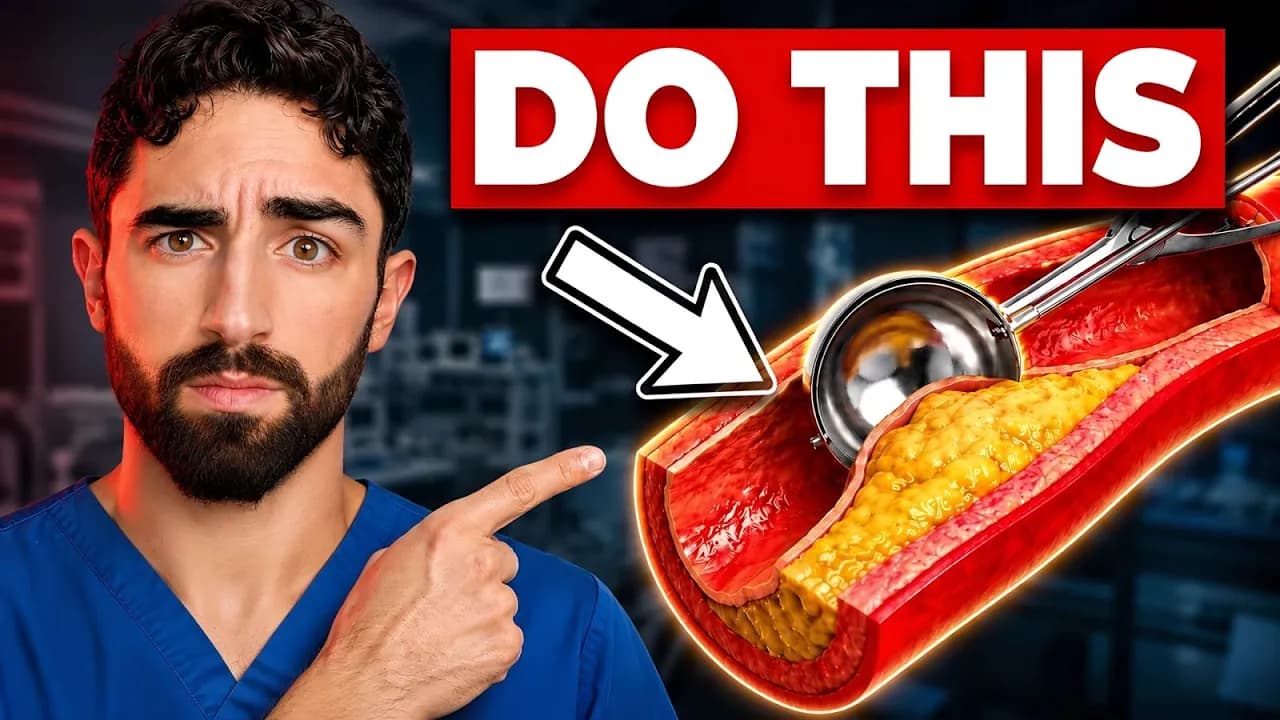
Statins inhibit HMG-CoA reductase, the rate-limiting enzyme in cholesterol synthesis, especially in the liver. This causes cholesterol starvation inside liver cells, depleting the intracellular cholesterol pool.
Liver senses drop in internal cholesterol, activates sterol regulatory element-binding proteins (SREBPs) held outside the nucleus. SREBPs move into nucleus, bind DNA, turn on genes including LDL receptor gene. Gene produces mRNA transcript (blueprint), which makes LDL receptor protein on cell surface. Receptor grabs LDL particles from bloodstream, pulls them into liver to compensate.
Statins inhibit an enzyme leading to the depletion of the pool of cholesterol in the liver, forcing an adaptation to increase the LDL receptor that pulls cholesterol-containing particles into the liver which lowers your LDL cholesterol.
Effective at lowering LDL and ApoB, but downsides: inhibits HMG-CoA reductase, blocks downstream products like coenzyme Q10 crucial for mitochondrial function, leading to mitochondrial and muscle disruption. Can increase liver damage markers ALT and AST. Decreases GLP-1, causes insulin resistance, increases type 2 diabetes risk.
Researchers screened natural compounds; berberine from plant genus Berberis stood out (e.g., celandine yellow poppy gets yellow hue from berberine). Boosts LDL receptor mRNA levels, like statins. In humans and animals, reduces total and LDL cholesterol.
Berberine doesn't deplete liver's cholesterol pool or impact SREBP processing.
The lack of any sterol regulatory effect through the SREBP pathway suggests that berberine increases LDL receptor expression by a mechanism distinct from statins.
Berberine did not increase LDL receptor gene expression traditionally, but increased LDL receptor transcript (mRNA) and LDL receptor protein levels.
Paradox: How can you not increase gene expression but get more transcript?
Berberine stabilized the transcript: prolonged turnover rate of LDL receptor transcript by approximately three-fold, from 64 minutes to 198 minutes (over 3 hours). Instructions stick around longer, giving cell more time to produce LDL receptor protein. Independent of intracellular cholesterol starvation. Leads to more LDL receptors on liver cells, pulling more LDL from bloodstream.
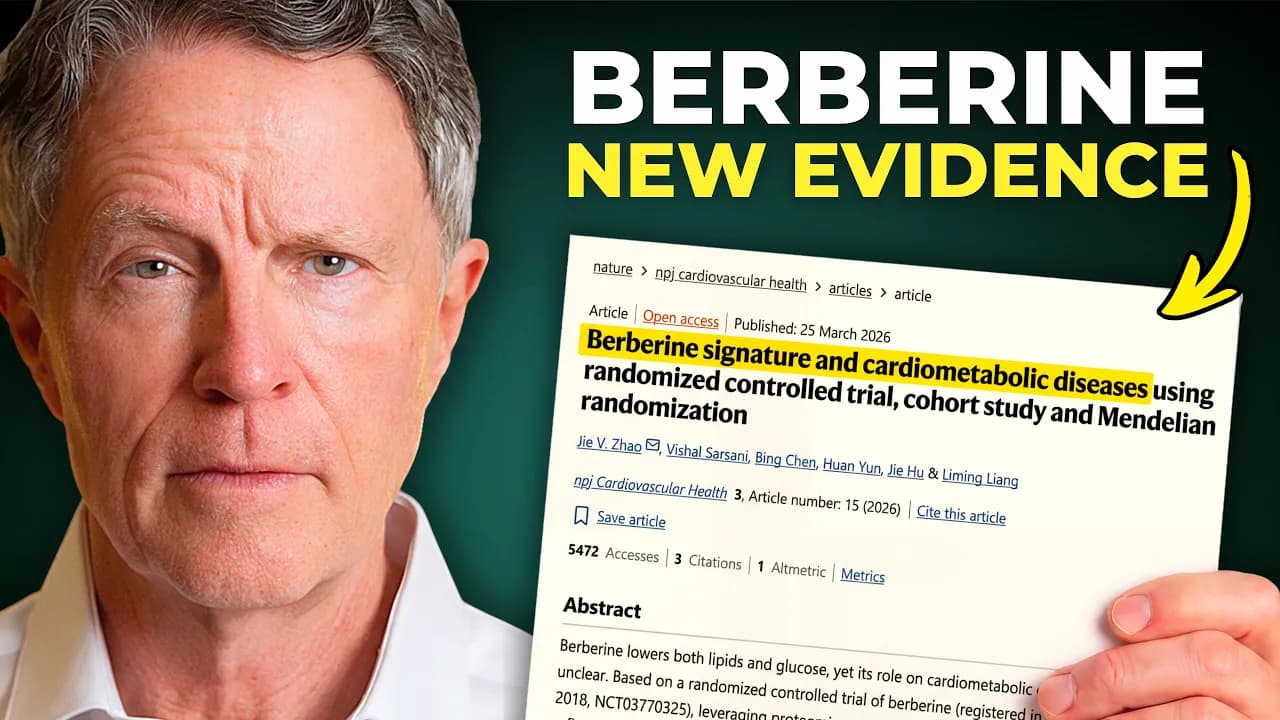
Randomized placebo-controlled trial with 91 patients. 500 mg berberine twice per day (1 g/day) for 3 months vs. placebo.
Results: LDL cholesterol dropped 20%, triglycerides 28%, HDL unchanged. Among patients not on other lipid-lowering meds: LDL dropped 25% (31 mg/dL absolute), triglycerides 35% (almost 70 mg/dL absolute), HDL not harmed.
Improved liver function markers ALT, AST, GGT (possibly due to reduced liver fat). Opposite to statins, which can increase them.
Minimal side effects: one participant had mild constipation, resolved by reducing dose from 500 mg BID to 250 mg BID.
Berberine reduces LDL cholesterol (and presumably ApoB) and triglycerides via novel mechanism: stabilizing LDL receptor mRNA for more protein production, without depleting cholesterol pools.
Statins mechanism: Inhibit HMG-CoA reductase, deplete liver cholesterol, activate SREBP pathway, increase LDL receptor gene expression → more LDL receptors → lowers LDL.
Statin side effects: Muscle pain/damage, mitochondrial disruption (low coenzyme Q10), decreased GLP-1, insulin resistance, diabetes risk, increased liver damage markers (ALT, AST). Benefits: increases vasodilation, nitric oxide, may decrease inflammation if high baseline.
Berberine mechanism: Stabilizes LDL receptor mRNA → more LDL receptor protein → pulls LDL from bloodstream.
Berberine side effects: Minimal; occasional mild constipation (dose-dependent, resolved by reducing dose). Improves glycemic control, lowers waist circumference, improves liver markers.
Many RCTs since confirm berberine lowers LDL and ApoB without reducing HDL, neutral/beneficial on triglycerides, metabolic health, waist circumference, visceral adiposity, BMI. Cardiovascular benefits likely beyond LDL/ApoB reduction.
Speaker has unusually high cholesterol: total over 700, LDL in 500s. Not familial hypercholesterolemia, but lean mass hyper-responder phenotype (low-carb diet increases cholesterol for fat fuel trafficking).
Heart clean on high-resolution coronary CT angiography. Not taking meds currently. Launching N=1 crossover experiment: comparing bempedoic acid, PCSK9 inhibitor, ezetimibe, berberine. Includes washout periods, working with lipidology/cardiology experts. Could take a year+.
New role: senior scientific adviser at 100 Health AI tool for metabolic health. Personalizes treatments based on goals/background, draws from 400+ EMRs, 100+ biomarkers, state-of-the-art AI with independent literature review. 100 Health protocol led to this berberine paper. Signup link below.
Using 100 Health to track lipids and broader metabolic outcomes in N=1 trial.
Decades-old discovery (published when speaker was 9) in major journal: radically different LDL/ApoB lowering with fewer side effects, other benefits.
Conventional medicine prioritizes outcomes over mechanisms. Focus on LDL/ApoB reduction misses tradeoffs, downstream effects. Mechanisms provide insight into implications.
Speaker leans on mechanisms for health decisions. Berberine mechanism excites, makes biological sense, gives more confidence than statins.
Diving into N=1 journey because curious. Stay curious.
Keep Nick Norwitz in your library
Save the videos and channels worth coming back to, and find them again in one place.