The Holocaust's youngest survivors: Born in a labor camp, on a death train, in a concentration camp
These notes were generated by AI and may contain inaccuracies.
Last spring marked the 80th anniversary of the end of World War II in Europe and the liberation of the last remaining Nazi concentration camps. Three young women, married and newly pregnant in 1944, were sent to the notorious death camp Auschwitz, then assigned to work as slave laborers in Germany. Pregnancy was an offense punishable by death in the camps. Eva Clark, Hana Berger Moran, and Mark Olski are among, if not the youngest survivors of the Holocaust, born April 12th, April 20th, and April 29th, 1945, just before Germany's surrender in May. They were Nazi prisoners at birth.
Eva's mother Anka from Czechoslovakia grew up in a small town where her parents owned a little Jewish cafe. Mark's mother Rachel from Poland had eight siblings and was from a textile manufacturing town. Hana's mother Priska, also from Czechoslovakia, was a champion swimmer, junior backstroke swimming champion of Czechoslovakia for the whole country. They each fell in love with their husbands as Europe descended into war. Eva's father was a journalist; they met in a nightclub across a crowded room. Mark's mother described his father to grandson Charlie as elegant. Soon after Mark's parents moved into their first apartment in Warsaw, German soldiers seized it; she was in her nightgown with her toothbrush, sent into the streets. Eva's grandparents taken in 1942, aunt in 1943. As Nazis occupied Poland and Czechoslovakia, Jews were rounded up in ghettos and sent to camps. Mark's parents in Warsaw and Lodz ghettos. Eva's parents sent to Czech camp Terezín where she was conceived in violation of camp rules. Pregnancy in a concentration camp was a crime by Nazis to annihilate every Jewish person.
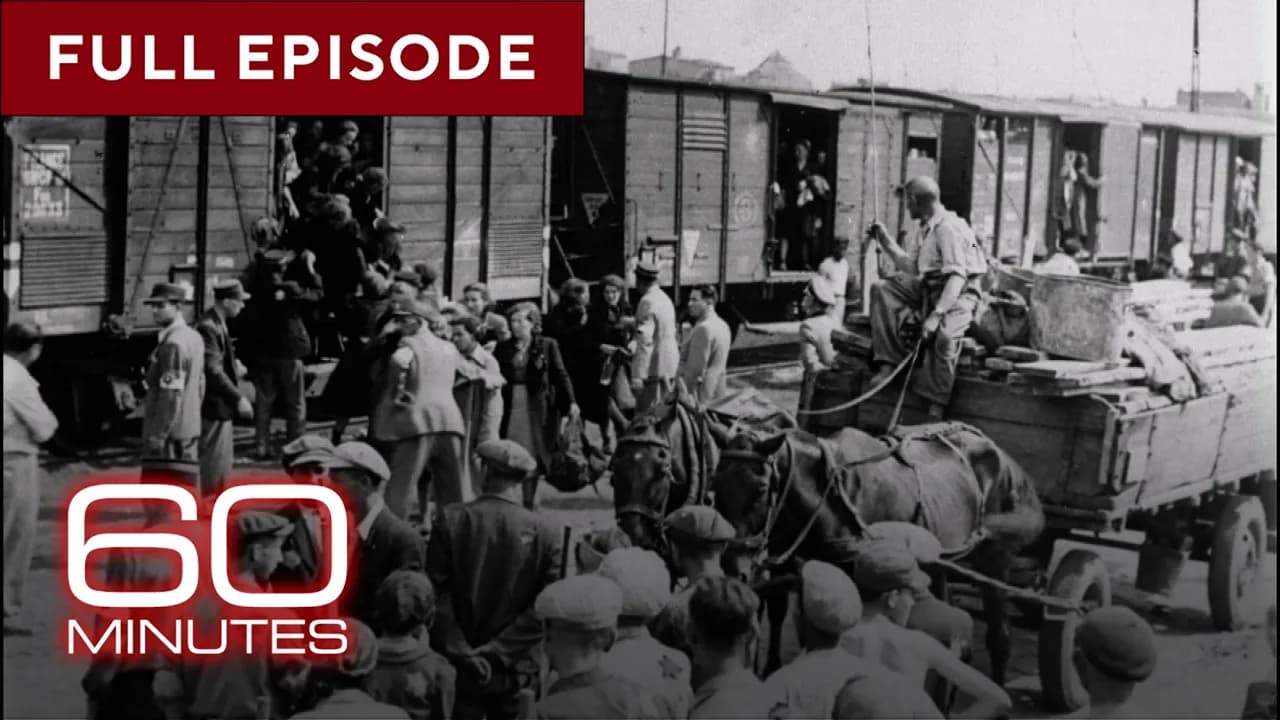
By mid to late 1944, killings accelerated, remaining ghettos liquidated, all three newly pregnant women loaded from different cities onto packed freight cars to Auschwitz. Hana's mother with her husband on train; sitting on floor, naming baby: Hana if girl, Michael if boy. They knew Auschwitz were death camps. Arrival platform at Auschwitz-Birkenau: families ripped apart, most including mothers with children and elderly sent to gas chambers murdering 6,000 people a day at peak. Selected for work, including three women, stripped, shaven, sent to overflowing barracks. Hana's mother saw father once after arrival across barbed wire fence; he said, "Be careful and think only good thoughts," repeated; last time they saw each other.
Prisoners endured frequent selections, some by Nazi doctor Joseph Mengele, known for gruesome experiments. Hana's mother met Mengele naked in line; he said in German, "Good-looking woman, are you pregnant?" She denied it: "Nein, I'm not." Each woman decided to deny pregnancy despite danger. Author Wendy Holden studied Auschwitz, wrote book on three babies and mothers; each sensed great danger and denied it, sent to slave labor camp in Germany: Freiberg Saxony. They never met or knew of each other. Over 1,000 women prisoners worked 12-hour shifts in converted porcelain factory making parts for German fighter planes, living on ersatz coffee, thin soup, tiny bread daily. Hid pregnancies with baggy dresses from gassed prisoners' clothing. Became starved and obviously pregnant over six months, but Germans didn't realize or would have sent back to Auschwitz to be killed.
Early spring 1945, Allies advancing, Auschwitz liberated, Germans planned to eradicate evidence by sending slave laborers to be gassed. No more work or food. Hana's mother went into labor on factory floor on plank across table; guards watched, bet on boy or girl. 36 hours later, slave laborers and newborn Hana loaded onto open coal wagons, filthy death train for 16 days seeking camp to kill them, no food, hardly water. Farmer saw Eva's mother (scarcely living pregnant skeleton), brought glass of milk, possibly saved her life. Mark's grandmother under 70 pounds, nine months pregnant, in sick car; people died, thrown off train. Woman with bad leg rested it on her pregnant stomach amid dying people. Gave birth to alive baby despite expecting dead baby and no milk; she had milk. Learned date April 20th when announced as Hitler's birthday.
After nine more days, reached Mauthausen camp in Austria, one of last standing. Eva's mother in labor climbing off cold truck unaided onto cart pulled up steep hill by prisoners. Thought she'd give up but mother said, "You don't know what you can withstand until you have to; most people not tested." Hauled up wooded valley while in labor, looked back at Danube River with April blossoms and birds, thought most beautiful and last thing she'd see. Gas chambers last used day before on April 28th, 1945; Nazis ran out of gas. Train arrived one day after; if 26th or 27th, none survived. Survived Mauthausen almost a week; baby Hana with infected sores.
Mother saw little green army car with music "Roll out the barrels"; knew not German. Young soldier with red cross helmet; mother said in English, "I have something to show you"—Hana. He said, "I'll get the doctor because your baby needs help," brought doctor. Took Hana, treated with new penicillin, sewed wounds. Mother thought she was dead when nurse brought bandaged baby back sleeping. American medic Leroy 'Pete' Peterson saved Hana; he always wondered what happened to the baby.
Mauthausen: fortress-like high on hill west of Vienna, over 95,000 prisoners died; three babies and mothers arrived April 29th, 1945. Six days later, two dozen soldiers from 11th Armored Division, General Patton's Third Army, checking bridges, found camp accidentally. 22-year-old medic Pete Peterson from Illinois drafted 1942; survived jeep explosion, Battle of the Bulge. Suffered PTSD from camps' smells, sounds, sights. Photos: piles of emaciated corpses, man died in front of him. Triaged inmates; woman presented badly infected baby. Used penicillin to treat. Kept scrapbook, always thought, "I wonder what ever happened to that baby."
After liberation, mothers traveled home seeking family, husbands—all three men died. Mothers remarried except Hana's; no other children. Babies only children, learned war in bits. Mark thought born on train was cool until truth enraged him at 12-13; wanted to kill Germans. Mother said, "They took so much from us. If this is what you become, they will have taken your soul." Hana raised in Czechoslovakia, moved to Israel then US; mother requested track down medic.
Hana discovered 11th Armored Division liberated Mauthausen, sent letter. Found Pete at 81. Met May 2005, 60 years later. "I was so happy to finally touch him... He saved my life." Lifted PTSD weight. Called him Daddy Pete; he became like father. Pete died 5 years later; Hana spent week during final illness. Now like big sister to his son Brian.
Eva raised in UK, reached out to liberators with photo of mother and three generations; on 11th Armored Division newsletter cover. Hana saw Eva's story, thought only ones. Met after 65th birthdays at Mauthausen memorial anniversary. Mark's son Charlie researched for 65th birthday gift, found division website with Eva's story matching grandmother's: Freiberg labor camp, pregnancy, ran out of gas, dates. Connected to Eva and Hana; joined meeting May 2010 at camp. Spent Saturday in cafe talking, laughing, crying about mothers. "Like we've known each other all this time... hell of a birthday present."
At 65, marched annual Mauthausen commemoration. At 80, marched 80th anniversary with thousands; US delegation, Brian Peterson honored father, son of US sergeant played taps. Felt mothers' presence in barracks: "I've been here before, but I left." Celebrated guests at Vienna concert. Relationship like siblings: "We found each other. We should have been together from day one." Marked for death but survived; mothers said, "In the end, we won because you all survived... Life goes on." Eva 4 grandchildren, Hana 2, Mark 5. Mothers lived to 96, 90, 84. "To our life and to our mothers. Our strong mothers."
Keep 60 Minutes in your library
Save the videos and channels worth coming back to, and find them again in one place.