The Machine That Could End Japan's Sushi Empire
In a Nutshell
Shinke Systems built an automated robot that performs the Japanese ikajime method—brain spike plus gill cut—on US-caught fish within 5 seconds of capture, doubling shelf life and producing visibly fresher, firmer meat compared to conventional suffocation methods. The company gives away these machines to fishermen and buys the processed fish at premium prices, selling them under the Ceremony brand to high-end restaurants and stores. By replacing manual, error-prone ikajime on pitching boats with computer-vision-guided precision at industrial speeds, Shinke aims to make sustainably harvested, top-grade American fish competitive with imports in sushi markets.
These notes were generated by AI and may contain inaccuracies.
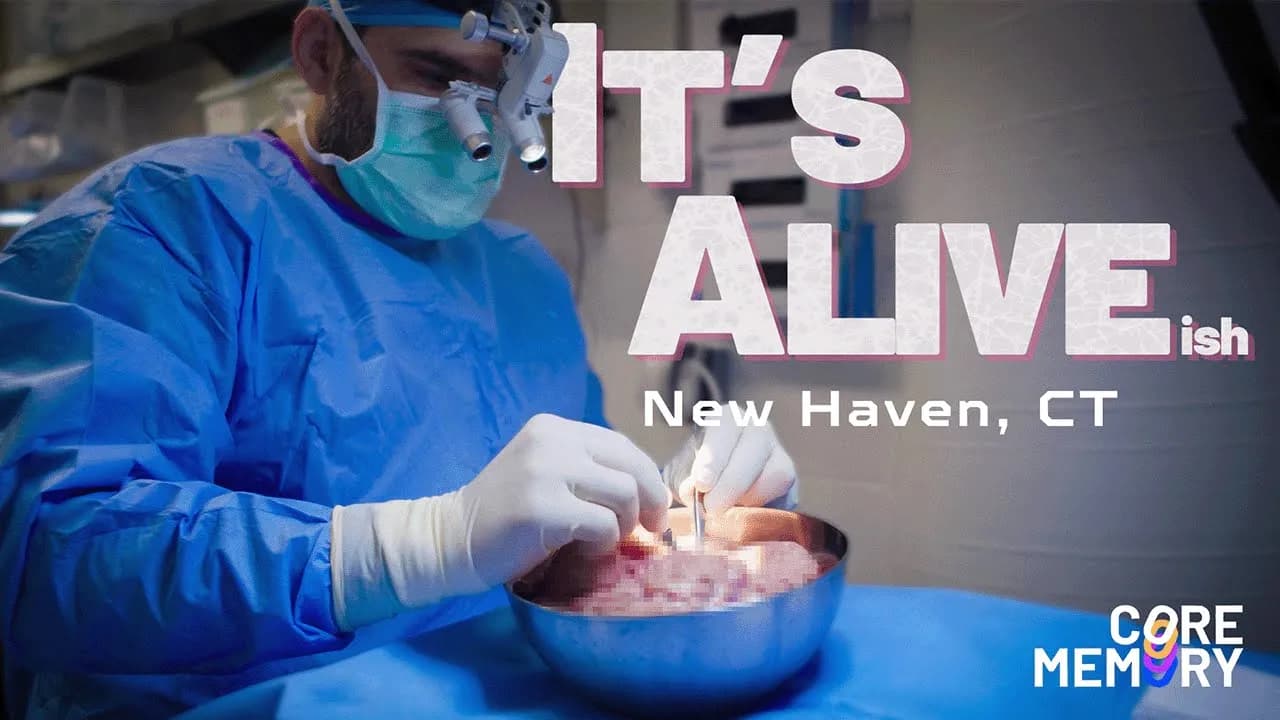
The fish being prepared is caught off the coast of California and considered much higher grade than typical sushi fish in the United States. This quality difference stems from how the fish was killed by a machine built at Shinke Systems headquarters in Elsagundo.
Safe and Reed started Shinke Systems in 2022. The idea originated from an essay titled "If Fish Could Scream" that highlighted how fish receive less empathy than trust animals like cows and chickens because they lack vocal cords.
There are approximately 400,000 fishing vessels in North America. Most fish flop around on boat decks, releasing stress hormones and lactic acid while suffocating. This process leads to decay of meat quality and reduced shelf life. Fish can take up to an hour to lose consciousness, during which adrenaline, cortisol, and lactic acid make the meat more acidic and prime for bacterial growth. Blood diffusion creates conditions for rapid decomposition.
Shinke's process involves spiking the fish in the brain and cutting the gills to stop suffocation and drain blood. This method allows fish to last anywhere from twice as long in fresh condition. The meat retains more water weight, has better texture, and contains more flavor.
Shink is replicating the Japanese ikajime method, where fish are caught, quickly spiked in the brain, and bled out with a gill slice. Though it appears rough, it's considered far more humane than tossing fish on ice to suffocate. The ikajime process results in healthier, better-tasting fish.
In Japan, the ikajime method is performed by hand with screwdrivers or available tools. Shinke Systems developed a robot using computer vision and pinpoint precision to automate this process. The machine uses custom actuators built in-house, as most off-the-shelf components cannot withstand the maritime environment.
The actuator system pushes fish through using a salt water fluid system. The actuators drive mechanisms including the spike and cutting operations. A camera and perception system guide each actuator. The machine identifies fish species and locates the brain within millimeter accuracy for every individual fish.
The entire detection and processing happens instantly, with fish entering the cold chain within 5 seconds. The system requires surgical accuracy at industrial speeds in a maritime environment.
Safe grew up in Dubai and attended Penn to study business and physics. Reed came from a seafaring family, fishing with his father in the Middle East. Both attended Penn, where a friend introduced them.
Reed previously managed the Starship avionics group at SpaceX, applying 15 times over 4 years before being hired on the 16th attempt. He left to build a company in the food and health industry.
The machine processes fish in under half a second for detection, followed by actuator operation. Fish exit the system within 5 seconds total. The machine contains an onboard computer for processing and uses Starlink for data transmission to the office and software team.
The system has been tested with black cod and other species. The fish receives a brain spike at the top and a gill cut below.
Captain Bill Blue has been fishing for 52 years, working with salmon, albacore, rock crab, Dungeness crab, and black cod. His crew uses the Shinke machine, which produces better product quality.
The machine creates a brain spike and gill cut that bleeds the fish for approximately 15 minutes before it enters a cold slurry. Each fish receives unique coordinates for its anatomical features, accommodating different species like sablefish, black cod, and vermillion rockfish.
Captain Bill was the first fisherman to adopt the technology, motivated by marketing benefits and receiving premium prices for machine-processed fish. The machine takes up valuable boat space and initially had speed issues.
Early implementation required keeping fish alive on boats and bringing them to dock-based machines, extending unloading time from 2 hours to 8 hours. The system has undergone multiple iterations, improving from 15 seconds per fish to approximately 5 seconds currently.
The machine now handles multiple species including vermillion rockfish in addition to black cod. Software updates via the app allow switching between species, with Starlink enabling remote monitoring.
Shinke gives away robots and purchases fish killed by their machines, paying fishermen premiums to encourage adoption. They sell fish under the Ceremony brand to stores and restaurants. Fishermen now catch specifically what the dock orders rather than bringing unsold fish.
While Japanese fishermen perform ikajime by hand, the robot addresses safety concerns of handling live fish with sharp tools on moving boats. Fish brains are fingernail-sized and located differently in each fish, making manual spiking dangerous and exhausting when processing thousands of fish daily.
Ceremony grade products show visible differences from conventionally processed fish. Over a week old, Ceremony fish remain rigid without fingerprint marks, while conventionally processed fish show blood diffusion and softness.
Fresh comparisons reveal Ceremony fish lack the reddish blood tint visible in suffocated fish. Rockfish processed through the machine appear white and clear versus the dull appearance of traditionally processed fish.
Chef Brian Borman at Crudo in Santa Monica prepares Ceremony grade vermillion rockfish in two preparations: dry-aged for 4 days served sashimi-style with mandarin olive oil and shiroyu (white soy sauce made from wheat), and a grilled version with paprika-braised chickpeas, smoked olive oil, and cilantro.
The fish originates from Morro Bay, approximately 4 hours north. Dry-aging for 4-5 days enhances flavor without developing fishy taste.
The machine enables US-caught fish to compete with imports in top sushi restaurants. Local, humanely harvested fish represents the lowest carbon footprint protein option. The robotics system supports building a network for direct-from-fisherman, high-quality fish distribution to challenge commercial industrial systems.
Keep Core Memory in your library
Save the videos and channels worth coming back to, and find them again in one place.