The Problem with these Smartphone Batteries
These notes were generated by AI and may contain inaccuracies.
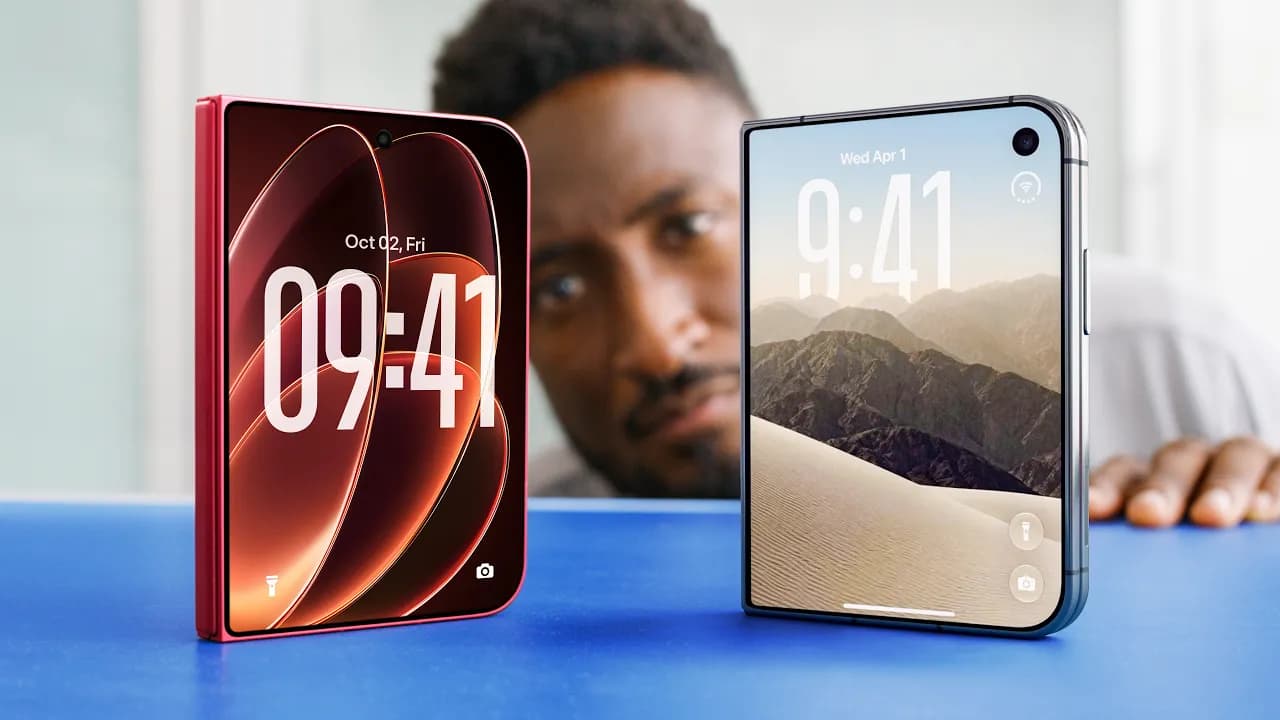
iPhone 17 Pro Max has about a 5,000 mAh battery. Honor Power 2 is a clone of the iPhone, thinner than the iPhone, and has a 10,000 mAh battery. Many phones now have massive batteries the size of former power banks without making phones thicker, thanks to silicon carbon battery technology.
Silicon carbon batteries enable ultra-thin phones like Galaxy S25 Edge and iPhone Air to be super thin yet have normal battery capacities. However, competitive flagship phones from Samsung, Apple, and Google have skipped silicon carbon batteries. These companies are waiting on the sidelines.
Silicon carbon batteries swap graphite for silicon, which holds more energy. Main advantage is higher energy density, allowing bigger battery capacities in the same footprint. OnePlus flagship jumped from 5,400 mAh to 6,000 mAh last January with silicon carbon, then to 7,300 mAh later the same year, resetting expectations for smartphone batteries. New Samsung, iPhone, and Pixel phones lack silicon carbon.
Initial theory: Huge companies like Apple order massive quantities (e.g., 10 million units), and suppliers couldn't meet demand for new silicon carbon tech. However, Xiaomi, Realme, Honor, Oppo, and Huawei use silicon carbon in high volumes. Google Pixels ship fewer units but still skip it.
Emails from smartphone industry contacts (multiple companies) highlighted concerns with silicon carbon batteries regarding swelling and longevity. Stories matched. Further digging and sources confirm this as the main reason for limited adoption.
Batteries expand and contract with charge/discharge and heat, like sidewalks with cracks or bridges with expansion joints. Water expands 10% while freezing. In silicon carbon batteries, silicon heats up, absorbs lithium ions, and expands to three times its original volume. Finely ground silicon avoids mechanical stresses; carbon absorbs expansion.
Companies tune higher silicon percentages for greater capacity, pushing limits and managing swelling. Some devices have a steel cage around the battery to prevent swelling. Cracking causes internal damage, potentially leading to thermal runaway.
Companies claim 80% battery capacity after 1,000 charge cycles. Real use involves heat, cold, drops, pressure changes, humidity. Testing can't account for all variables. Error rate under 1 in 250,000 seems good, but at Samsung/Apple scale (tens of millions), it risks a dozen exploding Note 7s like in 2016.
Lack of long-term real-world data leads some companies to stick with lithium-ion. Samsung, Apple, Google have big US presence. US is software-focused with ecosystem lock-in (e.g., blue bubbles); less hardware competition, so no rush to risk silicon carbon. In other markets (WhatsApp users), hardware competition drives switches to phones with 40% bigger batteries.
In 2026, silicon carbon is bleeding-edge and riskier; lithium-ion is safer. First silicon carbon phones emerged 3 years ago, more in the past year. Monitor aging and real-world data.
Keep Marques Brownlee in your library
Save the videos and channels worth coming back to, and find them again in one place.