The Windows Laptop Problem
In a Nutshell
New MacBook Neo ($600) and M5 Max MacBook Pro outperform Windows laptops across price ranges with superior efficiency, build quality, performance (e.g., 20,000 MB/s SSDs, top benchmarks), and clean software, shocking the industry and pressuring competitors like Dell, Asus, and Lenovo. Windows laptops like the Dell XPS 14 ($2,200) offer premium hardware but suffer from ecosystem issues including ads, forced AI features (Copilot, Recall), bloatware, and setup hassles from fragmented vendors (Intel, Microsoft). Apple's vertical integration delivers a premium experience even at low-end prices, eroding Windows market share unless rivals respond decisively.
These notes were generated by AI and may contain inaccuracies.
Two crazy Mac laptops released in the past month: MacBook Neo at $600, more efficient, capable, and better built than almost every laptop in that price range, one of the best deals in tech. New MacBook Pros at the high end, benchmarking a $6,000 16-inch M5 Max MacBook Pro with multi-core CPU performance at the top of charts for every Mac ever, GPU more powerful than M2 Ultra in $10,000 Mac Pro, SSD read/write speeds approaching 20,000 MB/s. Absurd, awesome, creative professional's dream. Both put Windows laptops on notice, extending to Microsoft, Dell, HP, Asus, Lenovo, Razer, etc.
Asus executive quoted describing MacBook Neo as a shock to the industry.
Digging into Windows side: hands-on with Windows laptops, researching, benchmarking. Windows vs Mac laptops like iPhone vs Android—Windows advantage is variety and choice, but now also a disadvantage getting scary.
Dell XPS 14: 14-inch 2.8K tandem OLED display, thin bezels, webcam no notch, 120 Hz variable refresh rate, thin all-metal with soft-touch palm rests hiding massive force touch trackpad, three Thunderbolt ports, headphone jack. Inside: Intel Panther Lake processor (Core Ultra 300 series) with new integrated GPUs, 32 GB DDR5 RAM, 1 TB SSD. Better than previous XPS in many ways, but quirks: all Thunderbolt 4 (not 5), no SD card or full-size ports (choice for premium laptop), no lip to open lid (awkward pry every time), shallow keyboard with wonky layout (top menu buttons misaligned further in). $2,200 as spec'd, premium option among many.
Premium Windows laptop like XPS 14 relies on multiple companies executing perfectly: Dell for XPS revival, metal build, premium design; Intel (Panther Lake) for good chips/integrated graphics (no discrete GPU option); Microsoft for premium Windows without ads or unnecessary AI. When aligned, feels worth premium price—but doesn't always happen. Windows as weak link lately, affecting every Windows laptop.
Windows not fundamentally bad or super buggy, still functional, but lacks premium feel. Setup on XPS took 45 minutes: forced updates, mandatory sign-ins, pushes for Microsoft 365, OneDrive, other services. Post-setup: popup ad for McAfee Security (Dell issue), Copilot stuff, infamous Recall feature, generative AI in Microsoft Paint, required dedicated Copilot button on keyboards for Windows 11 AI PC classification. Between ads and AI, not premium experience. At high-end, users get picky—deserve to for the price.
Apple plays exclusively premium for decade: cheapest new MacBook $1,000+ (now up), vertically integrated with Apple silicon—hardware designed for software, software for hardware, efficient, clean, performant. People love expensive MacBook Pros.
Reasons for high-end Windows: choice/variety, unavailable on Mac like high-end gaming (Razer Blade with 5070 GPU, 240 Hz display).
Low-end efficiencies Apple uses at high-end also effective low-end. Users accept shortcomings in cheaper laptops as trade-off. Acer Aspire 16: popular, got for $550 on Amazon, more plastic, keyboard deck flex, Snapdragon chip efficient with good battery but not highest performance, big 16-inch screen, full-size ports. Good value for writing, web browsing, videos.
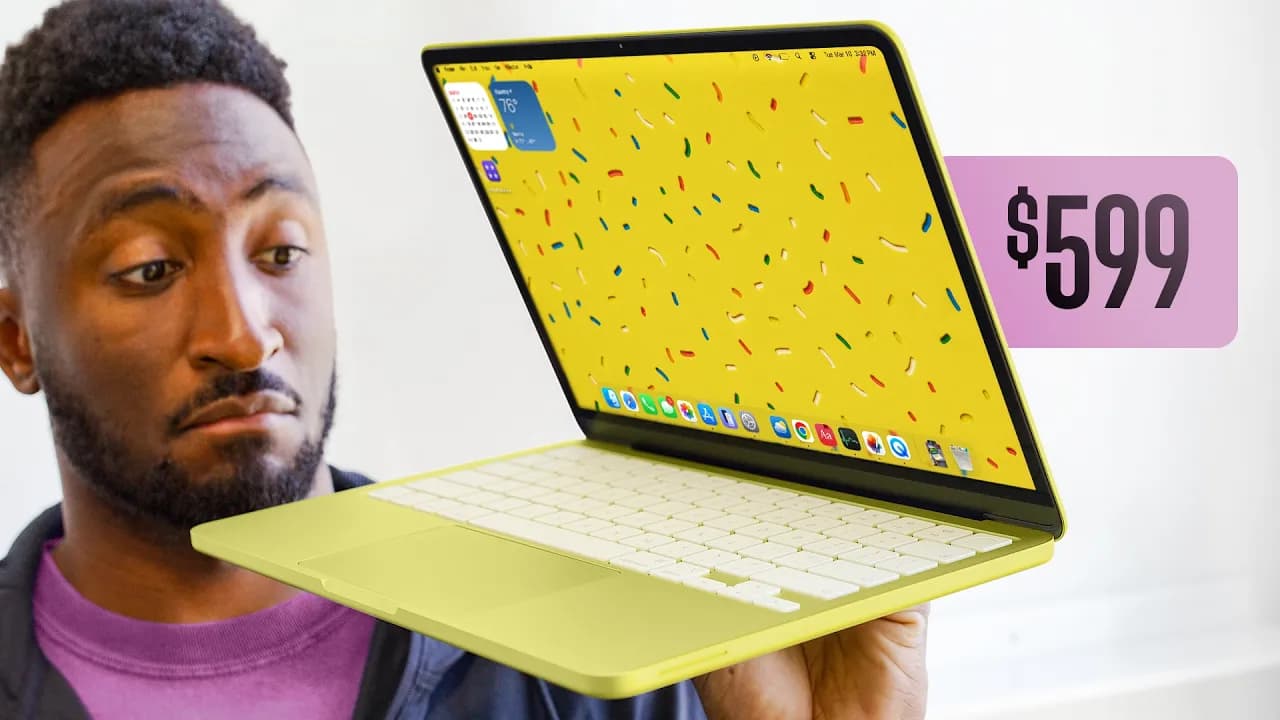
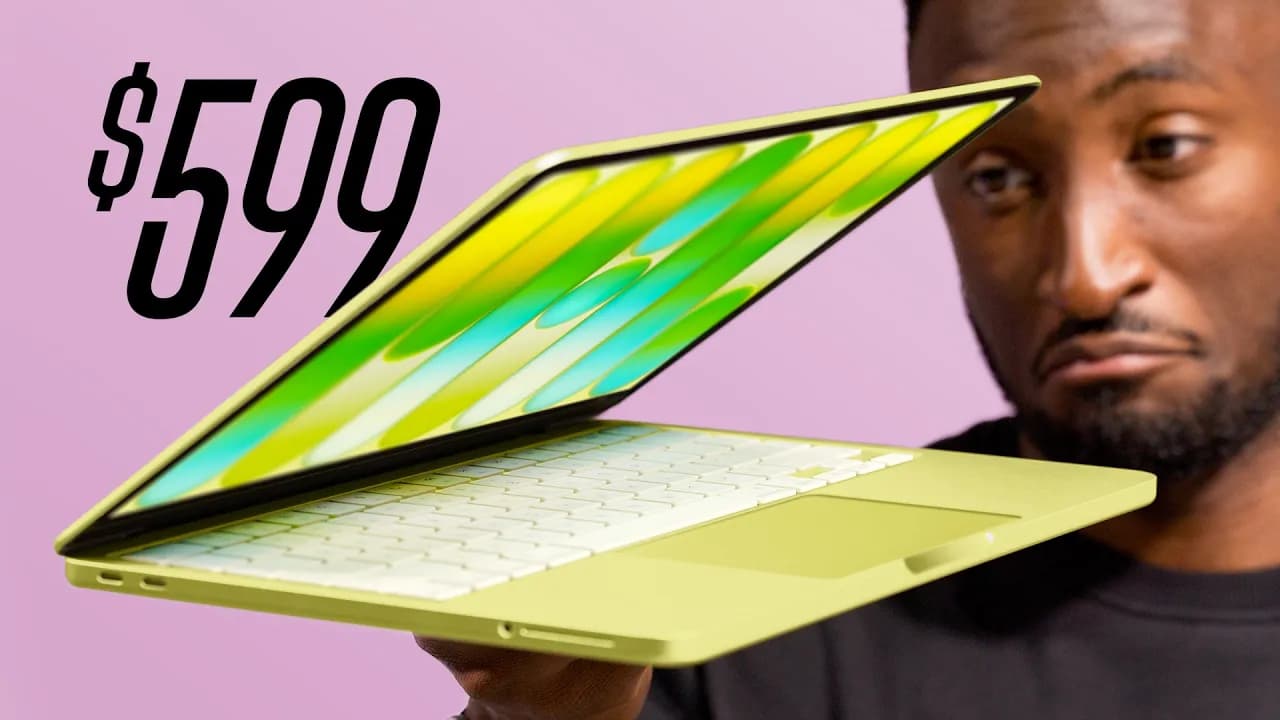
Problem: MacBook Neo starts at $600 ($500 student discount), feels like premium Macs—clean software, metal build, same keyboard, tight vertical integration. Unless Windows-specific need/app/game, people crave premium Mac experience now at $600. Hard to compete in Windows: multiple companies + profits make cheap good laptops tough.
Apple prints A18 Pros cheap, uses Neo as Trojan horse for first-time Mac buyers into services (TV+, AppleCare, iCloud)—worth more than hardware margin. Tim Cook tweet: Mac best launch ever for first-time customers.
Shock real, fascinating to see Windows makers' responses next months/years—if none, Neo eats market share, potential crisis.
Merch: new stickers in store—color picker sticker (if you know you know, put on colorful things), packs available. Send pictures, tag on Twitter/Threads.
Thanks for watching.
Keep Marques Brownlee in your library
Save the videos and channels worth coming back to, and find them again in one place.