This Machine Broke Brain Science
In a Nutshell
Bexon, founded by Yale researchers Nenad Sestan and Zvonimir, operates the world's first intact human brain lab in New Haven, perfusing dead human brains with worm-derived artificial blood through a custom device to restore cellular and molecular functions for drug testing on Alzheimer's and Parkinson's. This approach bypasses ethical barriers of live human experiments and translational failures from animal models, generating vast data on brain-drug interactions to accelerate safer, faster therapies. Despite early skepticism, the scrappy, cost-effective setup exploits the gradual brain cell death process post-mortem, enabling unprecedented research without consciousness or higher thinking.
These notes were generated by AI and may contain inaccuracies.
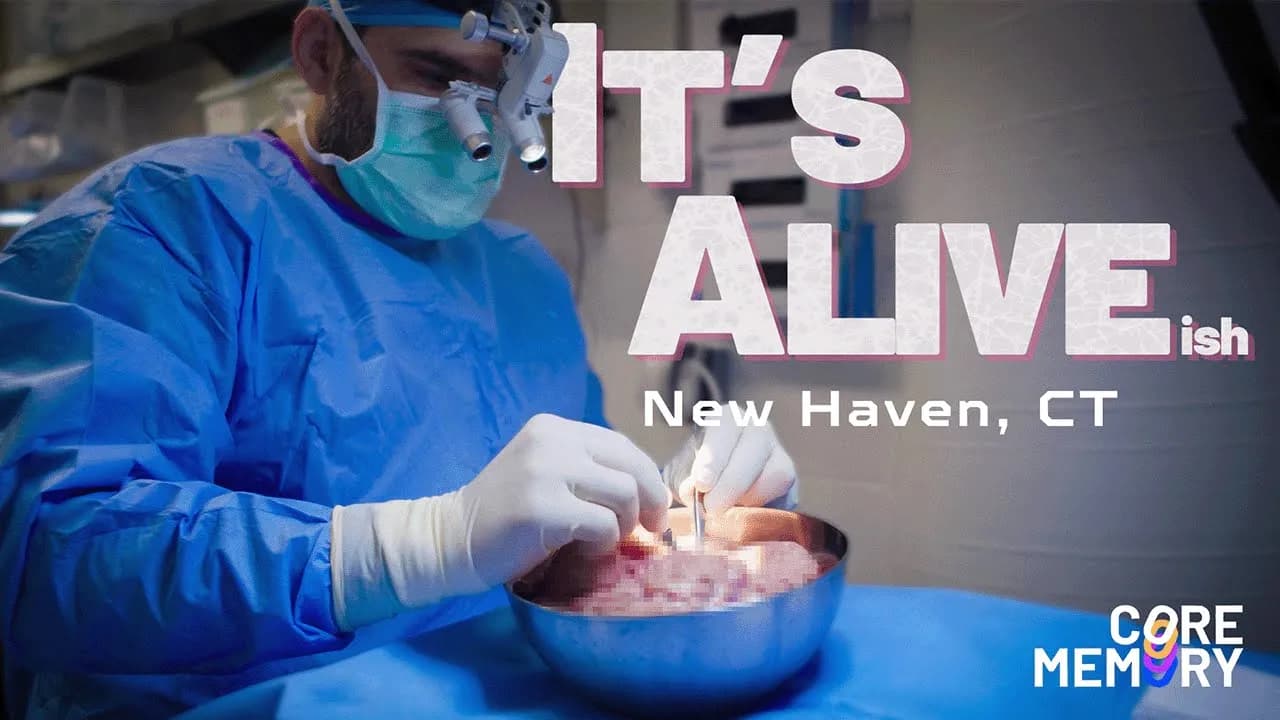
Story starts in New Haven, Connecticut, with a human brain delivered to startup Bexon. Croatian doctor Joseph Bukovich (Joe) prepares the brain for a machine to restore its molecular function. The brain won't be alive in a thinking or feeling sense but will perform biological functions.
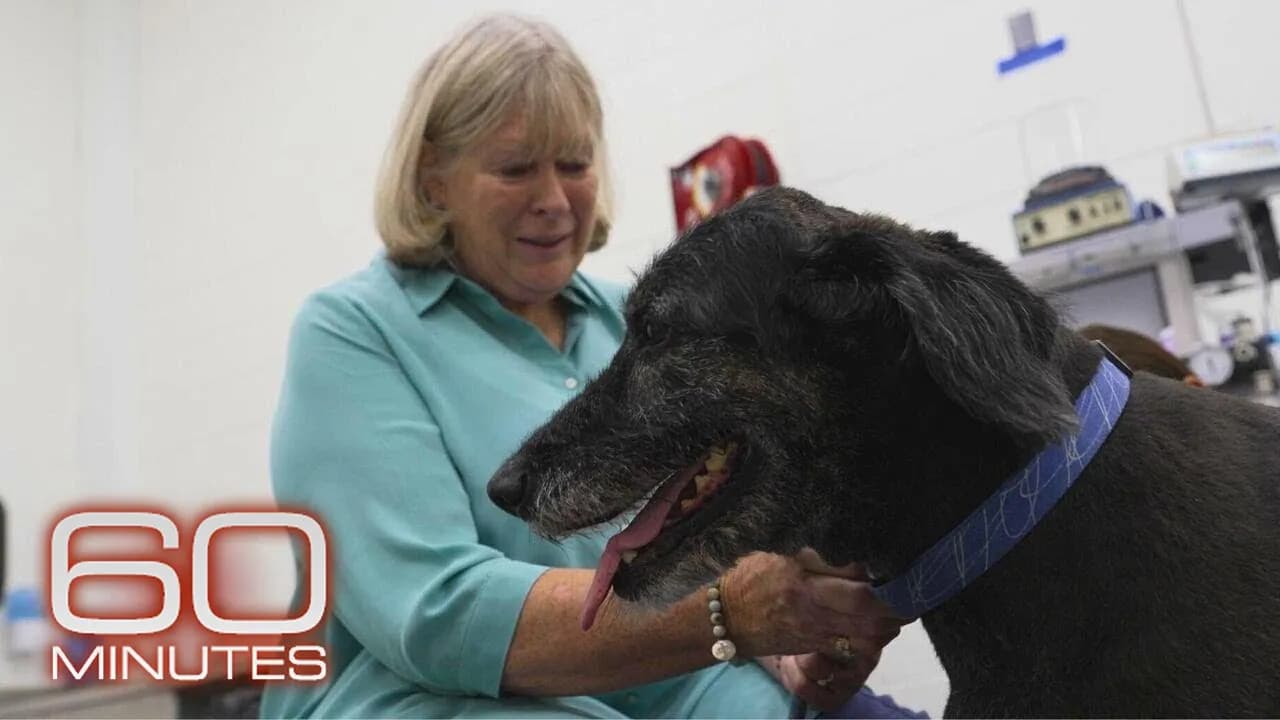
Velimir Peršić, physician-scientist, CEO and co-founder of Bexon, world's first intact human brain lab. Physically impossible to conduct experiments in living human brains, so they use dead human brains to restore certain cells or molecular activity.
Joe connects the brain to the device by interfacing its vascular system (blood vessels) and pushes fluid throughout. He inserts connectors; each brain differs, some vessels need treatment to ensure fluid flow. Fluid provides oxygenation, nutrients, electrolytes, oxygen.
Anyone else have a brain perfusion device at all? As far as we know, no.
Doing anything with human brains is difficult. Usually use mice, then primates, then humans, but drugs often fail translation from animals to humans. Bexon solves translational issues from benchtop science to therapies.
Goal: study how brains interact with drugs to make better medicines faster for Alzheimer's and Parkinson's. Brains named after superheroes (e.g., Tony like Tony Stark). Device has artificial lungs, heart, kidney. Fake blood flows through. Inject drugs via syringes; big one on right injects compound testing drug against Parkinson's.
Monitor blood pressure, brain's resistance to flow, dissolved gases. Hundreds of numbers recorded every second per brain/device, generating unique vast data.
Device built cost-effectively in a Home Depot-like space, looks scrappy but works.
Nutrient-rich fluid from Canadian nightcrawler worms: concentrated solution of protein extracted from worm blood to carry oxygen, filtered brew mixed with other components to create final artificial blood for brain support.
Raises questions like in The Man with Two Brains. Brains don't fire, no EEG, no consciousness. Just cells and molecules doing their job, no higher-level thinking. Brains start from zero, dead for hours, but retain experimental capacity exploited for drug discovery.
Bexon from Yale research. In 2019, neuroscientist Nenad Sestan (Croatian MD PhD) published in Nature: restored brain activity in pigs dead for hours with Zvonimir. Brain cells don't die instantly post-heart stop; gradual process. Isolate brain in specific environment to harness decay for impossible science.
Challenged dogma that brain cells gone immediately after heart stops. In 2022, Nenad and Z (Zvonimir) founded Bexon to commercialize.
Nenad and Z cook Croatian dinner: spinach cooked Mediterranean style, family-oriented society, must know how to play cards. Parents didn't go to college; mom questioned Yale acceptance, called it "My Mercedes is in America." Bosnian pie with cheese and spinach, mom rolled dough, made cheese. Gregata: dry fish stew like bouillabaisse or cioppino without water—layers of fish, onions, tomatoes, garlic.
10 years ago, unique idea to revive brains; famous neuroscientists discouraged Nenad. Team cried seeing cells recover in blinded samples; persisted despite doubts.
Spent time thinking ethically before starting. Opportunity to test drugs for Alzheimer's (can't do in humans), speed up safety/efficacy testing outweighs concerns.
If you have a chance to test a drug, let's say like Alzheimer's disease, where we cannot do pretty much and you have a chance to speed up drug development, test safety, efficacy, I mean, who are you to deny people that opportunity?
Do with thinking, reflection, moral consideration.
Keep Core Memory in your library
Save the videos and channels worth coming back to, and find them again in one place.