Two pills off Amazon did what their antidepressant alone could not
In a Nutshell
Two specific probiotic strains (Lactobacillus helveticus R0052 and Bifidobacterium longum R0175) significantly reduced depression and anxiety symptoms in older adults already on antidepressants by raising BDNF levels and modulating the gut-brain axis. Visceral fat drives brain inflammation, lowers BDNF, and shrinks the hippocampus through inflammatory cytokines and leaky gut; reducing it via microbiome optimization is presented as the key lever for protecting mood, cognition, and cardiovascular health. The practical protocol centers on daily fermented foods, eliminating processed items, and tracking visceral fat with MRI rather than relying on microbiome testing.
These notes were generated by AI and may contain inaccuracies.
Two particular bacterial strains were found to diminish both depression and anxiety. The speaker will share the exact strains used in the study. The speaker promotes products they believe are beneficial, receiving a cut only when they genuinely support the product.
Streamless Lighting produces incandescent light bulbs with significantly lower EMF output—approximately 1/8th of LED lights. These bulbs provide ambient or red light options, include a rheostat for dimming, and emit a natural light spectrum without flickering. The speaker recommends using them at night after sunset to support better sleep. The bulbs are compact for travel. The website is streamlesslighting.com. Using code DrShawn25 provides 25% off with no benefit to the speaker.
Plain View Beef offers grass-fed and sprout-finished beef, which has higher nutrient density than regular grass or grain-finished beef, with less inflammation and more omega-6. Dave Asprey was observed eating this beef. The website is plainviewbeef.com. Using code drsean25 provides 25% off with no benefit to the speaker.
The study examined 58 adults aged 60 or older with moderate depression (excluding severe cases) in a double-blind, randomized, placebo-controlled clinical trial. All participants continued their antidepressant medications. The intervention lasted 12 weeks with a 12-week follow-up period. The probiotic group showed greater reduction in depression and anxiety symptoms compared to placebo. Changes in gut microbiota were observed, supported by psychological assessments and biological markers including BDNF levels.
BDNF functions as a signaling molecule, described as fertilizer for the brain. It supports neuron survival, growth, connections, repair, maintenance, and adaptation. Benefits include enhanced learning and memory, strengthened synapses particularly in the hippocampus, better memory formation, faster learning, improved cognitive capabilities, and better retention of new information. The hippocampus shrinks with disease; BDNF helps maintain it.
BDNF levels can be increased through exercise, fasting, ketosis, weight loss, and microbiome enhancement. In this study, the probiotic significantly increased BDNF. Increased BDNF enhances neuroplasticity, neuronal survival, synaptic plasticity, hippocampal resilience, and the ability to adapt to stress.
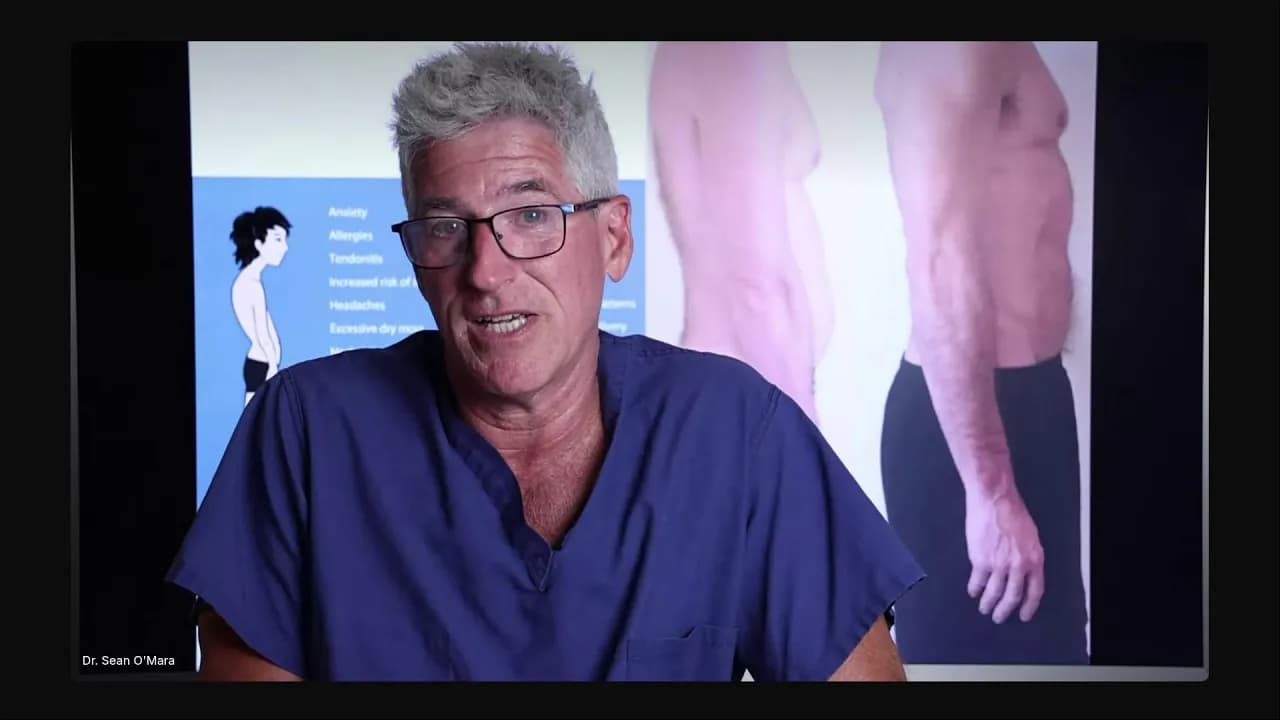
Low serum BDNF levels correlate with higher rates of brain atrophy. Visceral fat shows an inverse relationship with BDNF—higher visceral fat corresponds to lower BDNF. This relationship appears consistently in cross-sectional studies, MRIs, weight loss studies, exercise studies, bariatric surgery studies, insulin resistance studies, and metabolic syndrome studies. Subcutaneous fat is protective, while visceral fat is problematic.
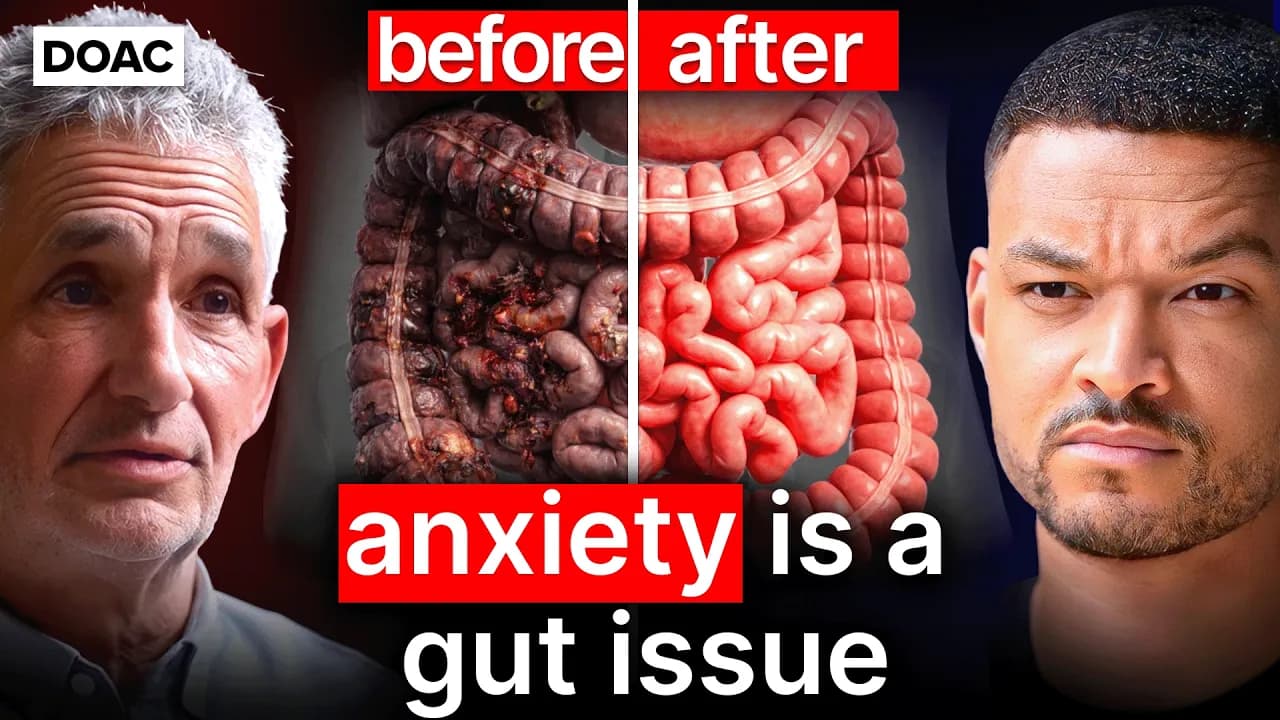
Visceral fat increases inflammatory substances including tumor necrosis factor, interleukin-6, MCP-1, leptin, endotoxins, and lipopolysaccharides. This leads to gut permeability (leaky gut), endotoxemia, systemic inflammation, brain inflammation, reduced BDNF, reduced neurogenesis, brain atrophy, white matter hyperintensities, depression, cognitive decline, and neurodegenerative conditions. White matter hyperintensities strongly correlate with dementia and strokes.
Certain probiotic strains lower cortisol. Reduced stress response improves resilience to psychological stress. Lower cortisol associates with improved anxiety, better sleep, improved mood, less depression, and better hippocampal function. Probiotics also influence neurotransmitter signaling.
The study used Lactobacillus helveticus and Bifidobacterium longum. The specific strains were L. helveticus R0052 and B. longum R0175. These strains showed engraftment—they colonized the gastrointestinal tract and were found in participants' feces, which is uncommon among probiotics.
Engraftment success depends on the existing microbiome robustness. A healthy microbiome resembles a thick lawn where new species may not establish; a dysbiotic microbiome is more susceptible to colonization by both beneficial and harmful organisms. The speaker's practice combines probiotics with fasting, fermented foods, removal of processed foods, specific exercise, sunshine exposure, and circadian alignment—approximately 50 interventions—yielding results exceeding typical study outcomes.
L. helveticus R0052 and B. longum R0175 are available on Amazon. Natural sources for Lactobacillus helveticus include Parmesan cheese, Gruyère, Swiss-type cheeses, fermented cheeses, and kefir. Bifidobacterium is harder to obtain from fermented foods; sources may include kefir and traditionally made food grains.
Fermented foods provide cardio-protective benefits through immune system optimization via the gut. Optimizing the microbiome supports protection for the heart, brain, kidneys, and liver. The speaker recommends addressing visceral fat through MRI assessment via the ultimate start program, radiologysix.com, or pernuvo.com.
The healthiest possible diet is recommended: eliminate processed foods, chemicals, chlorine, and food preservatives. The living diet incorporates fermented foods that are alive, raw, and unpasteurized.
Living microbes are the only agents that improve food from one form into a better form. When fermented food is consumed, those microbes become active in improving the host. Traditional populations that consume fermented foods experience health improvements. The living diet replaces dead food with living food through the incorporation of fermented items.
A blocked vagus nerve may be addressed through BDNF support. While physicians have identified frontal lobe issues, naturopaths have pointed to vagus nerve problems. Greater attention is being given to the vagus nerve's influence, along with exploration of natural treatments to enhance signaling through this major nerve. Medical procedures and drugs are also being developed for this purpose. Consultation with an integrative physician is recommended to access natural strategies rather than relying solely on medical interventions.
For histamine intolerance, refer to the video on Dr. Shawn O'Mara's YouTube channel titled "histamine intolerance." Begin with extremely small amounts of fermented foods. The approach mirrors bee sting desensitization, where exposure starts at 1/30,000 of a sting. Hundreds of viewers have followed this protocol and resolved their histamine intolerance.
Heart palpitations often stem from a perturbed myocardium within the heart's electrical conduction system. The amount of fat surrounding the heart and inflammatory substances originating from visceral fat contribute to this issue. Standard medical responses include medications, cardioversions, ablations, and electrophysiology studies. The recommendation is to avoid additional procedures and instead address the underlying visceral fat accumulation in the abdomen and the fat encircling the heart.
Some individuals may consume excessive amounts of fermented foods. These foods contain enhanced nutritional value through metabolites, which are signaling molecules and peptides known as postbiotics created by gut microbes. These compounds benefit the host.
Continue consuming the healthiest protein sources. Omnivorous clients are advised to select wild game meat, grass-fed ruminants, or grass-fed, sprout-finished or grass-finished meat for higher nutrient density. The living diet works across dietary patterns including vegan, omnivorous, and Mediterranean approaches.
Chewing meat alongside fermented foods introduces beneficial microbes through co-mastication. The same principle applies to wild-caught seafood paired with fermented foods. For those following plant-based diets, vegetables should be consumed with fermented vegetables.
No microbiome test is currently recommended. Even when caring for high-profile individuals, fecal sequencing is not utilized for clinical decisions. An MRI is considered a superior proxy for health compared to fecal microbiome analysis. Current understanding covers only a small fraction of the estimated 100 trillion organisms present, with identification likely below one billion species. Until more comprehensive knowledge exists, resources should be directed toward MRI imaging to assess fat around the heart, in the abdomen, and within muscle tissue.
Visceral fat elimination occurs through microbiome optimization. The identified strategies for removing this fat consistently involve microbiome improvement.
Immediate stomach distension and bloating can result from introducing fermented foods, producing a die-off effect where new microbes displace pathogenic species. Released intracellular contents from dying bacteria cause irritation. A period of adjustment also occurs as new species acclimate. All dietary changes, including vegan, carnivore, or living diets, should be introduced gradually.
Additional contributors to bloating include stress, poor sleep, exercise, and dietary metabolites. Lectins and oxalates have been personally observed to cause gastrointestinal hypomotility and blockage. Vegetables are no longer consumed unless fermented, which improves digestibility and eliminates previous issues with bowel obstruction.
A DEXA scan can serve as a substitute for an MRI when budget constraints exist, though it is not equivalent. DEXA provides numeric representation of visceral fat, while MRI delivers visual imaging of visceral fat quantity in the abdomen and fat infiltration within muscles. An MRI offers substantially more detailed information than numeric values alone.
Individuals with genetic predisposition to elevated Lp(a) or small dense LDL particles face increased atherogenic risk and clot formation. A diet free of processed foods, low in carbohydrates, and incorporating the living diet combined with visceral fat reduction shifts lipid particle profiles toward larger, fluffier, lower-density particles. Diet and lifestyle directly influence both the quantity and quality of lipoprotein particles.
Prenuvo locations in Australia offer options for MRI imaging. Additional resources include radiologist.com and independent MRI centers where cash-pay rates can be negotiated at lower cost than insurance-based pricing. Request the minimum number of slices needed to visualize visceral fat.
Visceral fat reduction is the primary method for optimizing LDL levels and lipid panel characteristics. Individuals currently taking statins can implement diet and lifestyle strategies to decrease fat around the heart and visceral fat, then taper off medication under supervision.
Wild blueberries, being smaller and less sweet, are recommended for fermentation. Fermenting fruit increases nutrient value while reducing fructose content that contributes to glycation and inflammation.
Resources are available at growingbetternotolder.com. One-on-one work is offered through drseanmara.com. Weekly sessions continue at 8:00 p.m. Eastern time.
Keep Sean OMara, MD JD, Health & Performance Optimizing in your library
Save the videos and channels worth coming back to, and find them again in one place.