What Red Light Therapy Actually Does Inside Your Cells
In a Nutshell
Red light therapy boosts mitochondrial ATP production by enhancing the final step of the electron transport chain, reducing oxidative stress while increasing nitric oxide and cellular melatonin. Sunlight at midday delivers optimal red/infrared wavelengths—630-680 nm for skin/hair and 810-850 nm for deeper tissues like muscles and joints—with proven benefits for hair loss, knee osteoarthritis, fibromyalgia, and cognitive decline. Treatment works best 3-5 times weekly at 3-12 inches distance for 3-10 minutes, avoiding photosensitizing medications and contraindications like active cancer or hyperthyroidism.
These notes were generated by AI and may contain inaccuracies.
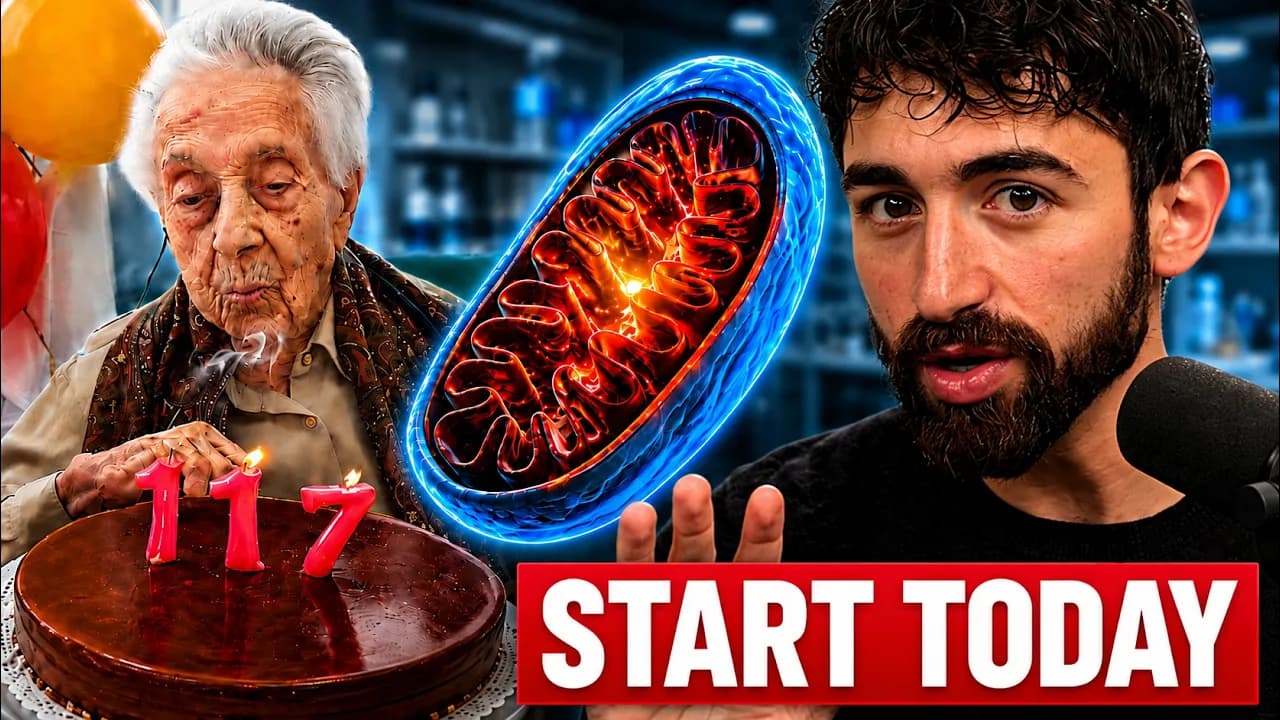
Inside cells are energy factories called mitochondria. The first part of energy production is the Krebs cycle, which acts like a food processor by pulling out electrons from nutrients and packaging them for delivery to the electron transport chain. This second phase functions like electrical components, going through four steps to build a battery. At the final step, an enzyme absorbs red light, allowing electrons to combine with oxygen to produce ATP (energy). Red light enhances this process, increasing energy production.
Many chronic diseases involve problems with energy production, making red light therapy potentially beneficial for both chronic and acute conditions. Red light therapy decreases oxidative stress in cells. It also increases nitric oxide, which promotes vasodilation, lowers blood pressure, and improves circulation.
Fifty percent of the sun's rays provide red light, eliminating the need for expensive panels. Two types exist: the red spectrum (630-680 nm wavelength) penetrates 5-10 mm, beneficial for superficial skin issues and hair follicles. The infrared spectrum (810-850 nm wavelength) penetrates 30-40 mm, making it suitable for muscles, joints, and the thyroid.
Research supports red light therapy for:
- Hair loss (alopecia), requiring 4-6 months for therapeutic effects using caps or helmet devices
- Knee osteoarthritis
- Fibromyalgia fatigue (via increased ATP production)
- Burning mouth syndrome (related to B12 or zinc deficiency)
- Age-related cognitive decline including dementia, Alzheimer's, and attention issues
Midday sun at 12:00 noon delivers approximately 100,000 lux of brightness, providing optimal red light exposure. Indoor fluorescent lighting ranges from 100-400 lux. Darkness triggers melatonin release for sleep, while red light spectrum increases cellular melatonin inside mitochondria, acting as an antioxidant rather than a sleep aid. Following natural sun patterns provides both sleep support and daytime energy enhancement.
Infrared exposure before meals can decrease blood sugar by 27%. A small study showed improvement in Hashimoto's thyroiditis through inflammation reduction, though selenium and vitamin D remain important factors.
Red light therapy does not produce vitamin D (ultraviolet light is required). More exposure is not better—both insufficient and excessive amounts are suboptimal. Photosensitizing medications including NSAIDs, antibiotics, SSRIs, St. John's wort, and loop diuretics require dosage adjustments. Contraindications include active cancer (accelerates growth) and hyperthyroidism/Graves' disease.
For superficial applications (skin, hair): 6-12 inches distance, 3-5 minutes duration. For deeper tissues (muscles, joints): 3-6 inches distance, 10 minutes duration. Frequency should be 3-5 times weekly, not daily.
Natural sources include midday sun, campfires, fireplaces, incandescent lights, and candles. Evening exposure to these sources, such as fireplaces before bed, may improve sleep quality.
Keep Dr. Eric Berg DC in your library
Save the videos and channels worth coming back to, and find them again in one place.