Why We Age | Lifespan with Dr. David Sinclair - S2, Ep. 7
In a Nutshell
Biological aging starts in the womb and is driven by mitochondrial damage that reduces energy production, stem cell exhaustion that impairs tissue repair, and breakdown of chemical signaling between organs. Exercise, cold exposure, and compounds like resveratrol and berberine can maintain mitochondrial health, while hormone replacement therapy can restore lost intercellular communication. The core message is that these processes begin decades before symptoms appear, making daily lifestyle choices from early adulthood essential to slow aging and stay healthy until more advanced therapies arrive.
These notes were generated by AI and may contain inaccuracies.
Even before birth, we're aging. We're all aging every day. And how we choose to live our lives has a big impact decades later. Just because you're in perfect health and you look healthy doesn't mean you're not aging. As we get older, like a lot of marriages, communication breaks down. And it's hell. It's true for our body. Our muscles, our brain, most of our cells end up with old, damaged, dysfunctional mitochondria.
Welcome to Lifespan, a show where we discuss the cutting-edge science of aging and how to live healthier at any stage of life. I'm David Sinclair, a scientist and professor working on understanding why we age and discovering new ways to slow and even reverse the aging process. On this show, I share an insider look at the latest from my lab, the field, and what's just around the corner.
Today, you might see some dirt under my nails and some paint on my hands from working on my house. I'm building a garden to grow fresh food without pesticides or chemical fertilizers. And we'll do some episodes about how you can do that at home, even in your kitchen during winter. But first, on this show, I'm joined again by my friend and co-host, Dr. Matthew LaLanne. Over the next three episodes, Matt and I are going to walk you through what scientists call the hallmarks of aging and of course what we can do about them, slowing them down and even reversing aspects of some of them.
Just over a decade ago, Dr. Brian Kennedy and some of my other colleagues cataloged what we now know as the hallmarks of aging. Essentially, what we knew went wrong inside ourselves as we got older. It really was a copy of a paper in the 2000s called the hallmarks of cancer which has been cited over 46,000 times which is one of the most cited papers ever. So my colleagues wanted to get a paper like that. Their paper the hallmarks of aging has been cited 20,000 times. They set three criteria for these hallmarks. To qualify a process had to one manifest during normal aging, to accelerate aging when experimentally increased, at least in an animal. And again, in animals, slow aging or extend healthy lifespan when altered. There were originally nine hallmarks and in 2023, the framework was updated and expanded to 12 to include more discoveries and hallmarks. It's a useful way to organize the biology of aging and think about where we could intervene.
For this discussion, Matt and I will organize those hallmarks into primary, secondary, and tertiary drivers of aging. We'll talk about how the processes of aging begin long before most of us can even see or feel them and tell you about ways to slow these hallmarks. Today, we're starting with something many people notice as they get older. Having less energy. Why does that happen? What's changing inside ourselves? and what does the science suggest we might be able to do about it. That's what we're going to get into today.
I'm so excited to share that Lifespan Magazine is now available along with everything we're building around it to help you live a longer, healthier life. You'll get the gorgeous 100-page magazine, early access to lifespan episodes, my longevity newsletter, clinical trial updates, AMAs, exclusive interviews, and a lot more to come. Go to lifespan.com to read the magazine, see what we're building, and support medical research, too. There's a free version, an $8 a month membership, and a founder membership with lifetime access to the magazine, bonus material, and some personal gifts from me. Life's too short. Let's change that together.
This is the Lifespan Podcast with Dr. David Sinclair. David, you are a professor in the department of genetics at the Paul F. Glenn Center for Biology of Aging Research at Harvard Medical School among many other things. And you are an associate professor at Utah State and you teach communications among other things. You're a former journalist before that, military man. But really what you've done is you've written some amazing books. There were only one answer to that one. What if I had told you it was not? What if I told you it was the book that I helped Lee Hood write? Would we be done? I wouldn't believe you. Would we get a divorce? I didn't co-host. I'm really proud of that book. Like, I'm glad that I was involved in that. Lee Hood's awesome. Anyone who doesn't know Lee, he basically invented a lot of technologies that we use in molecular biology and Matt wrote a book that came out with Lee helped co-authored.
We need to start talking about some facts here. We're just chattering about ourselves. We're going to be talking today about the biology of aging, about how we know we are aging. And that might seem like a pretty simple question, right? Oh, I'm aging. I'm getting some wrinkles. I got a few gray hairs in my beard. I'm a little slower than before. But what people don't understand is that aging begins happening long before it becomes symptomatic. Even before birth, we're aging. We now know that, which is incredible. And actually a lot of young people now are embracing that. People in their 20s and 30s are already slowing their aging process with the knowledge that when they are our age, late 40s, early 50s, that they will be much younger than their predecessors, than the previous generation of people who didn't realize that how you live in your 20s and 30s actually affects your future age.
And you said even before birth, there's been some research that suggests that the processes that contribute to aging start happening in the womb. Well, they do. One of the things we measure for aging is there's a clock. And we can measure that by looking at the chemicals on the DNA called DNA methylation. And when you measure those changes, if you look at embryos and young infants of animals and even people, there's an accelerated aging effect even when you're that young. And then it becomes linear. It goes up. Tick, tick, tick, tick, tick. But that ticking can be affected not just how you live as an adult, but even how your mother treated herself when you were in her womb, which is something that we should think about if we're thinking about bringing children into this world.
Right. Well, we should have a whole episode on that on how to raise a child with the best chance of a long life 100 years from then. I know for a lot of people this is really hard to kind of wrap their minds around because you take those things we mentioned earlier like gray hair, sore joints, all of that. You recognize that like those things don't happen to children. And so to say, oh well, you're aging from the time that you are in the womb, but then they don't have those connection points. It can be confusing. Just because you're in perfect health and you look healthy doesn't mean you're not aging. We're all aging every day. And how we choose to live our lives has a big impact decades later. That's what we've finally realized. This clock ticks all the time and there is no free lunch. There's no way out. You've got to look after yourself throughout your whole life. And hopefully your parents will also understand that this is true. But if you give kids the wrong food, don't get them to go outside and do some exercise, they will literally be aging faster than they would otherwise.
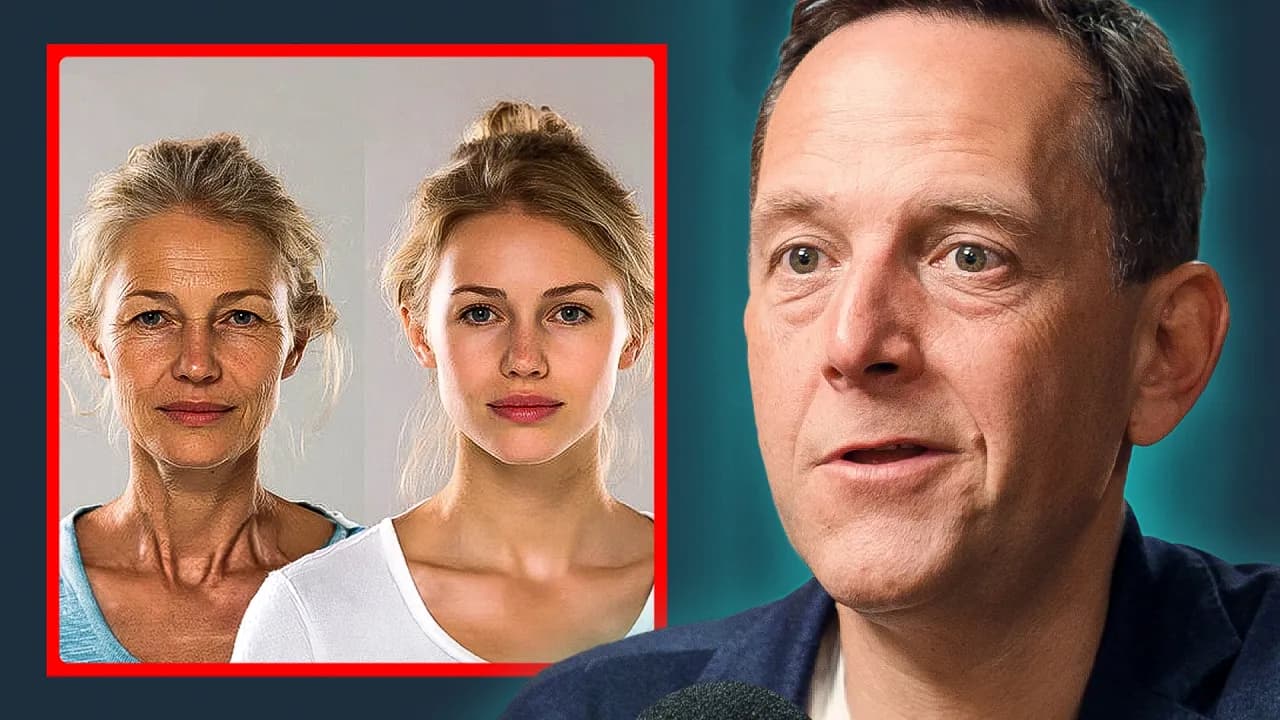
And that's of course more than just chronological, right? If you don't treat yourself well early on in life or if you don't treat your children well or encourage them to adopt these healthy behaviors early on in life, they are going to get to 40 differently than somebody who took a different path. That's the amazing thing that we now know. Just in the last few years, it's become clear. If you look at twins, there's a study from Denmark, identical twins with the same DNA, same genome. You'd think that they would age at the same rate. That's not true. It depends on how they were raised, how they've lived their life. And you can have identical twins that look very different in their ages, and they literally are different ages biologically speaking. And that's because we're talking about a biological condition. We're not talking about a chronological state of being. We're talking about a condition or an accumulation of conditions that do tend to increase with years, but don't happen at a set rate. We can affect that rate, right? And today we're going to talk about some of those underlying causes that we can slow down and even reverse.
Yeah. If we do want to give people a way to be actionable on things that they can do right now, right away, there's something between ita right toa the information theory of aging that that thing that happens that is the root of most if not all aging to begin with. And oh, now I'm feeling the effects. largely these 12 things that you were saying before that for a long time scientists have called hallmarks we were talking earlier today is not a great term hallmark well the hallmarks this is a word that's nonoffensive a lot of times when you have a group of scientists that have to agree on something they come up with something that doesn't offend anybody but I think hallmarks is not as useful as saying primary secondary tertiary causes of aging we can talk about these we should get into them ultimately you want to know what causes is all the primary causes that then cause the secondary cause the tertiary. What we need to do is to work on these known causes of aging, these hallmarks, slow them down with things you can do with in your daily life to be able to be healthy until we can actually reset the body. So until we can figure out in humans how to do what we do in mice, we've got to slow down aging so that we will reap the benefits of these medicines. If you want to live beyond 100 120, you've got to be able to be healthy and alive by the time these technologies arrive that we're now working on.
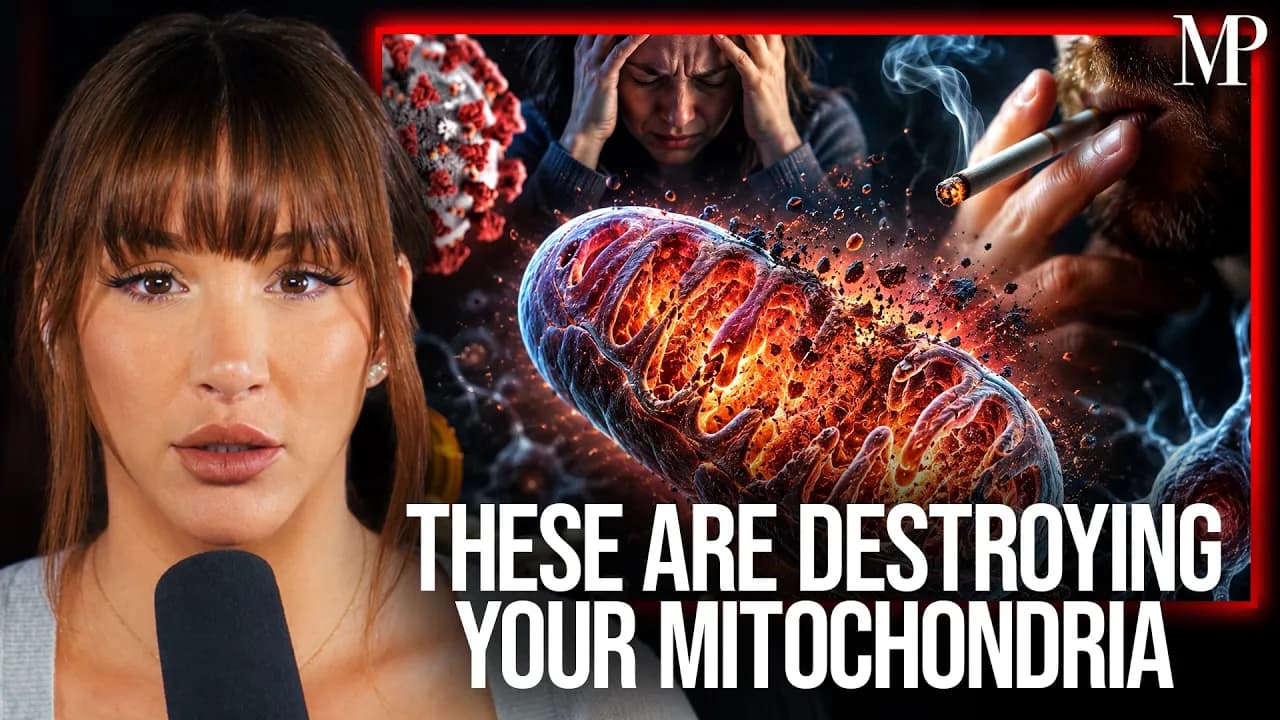
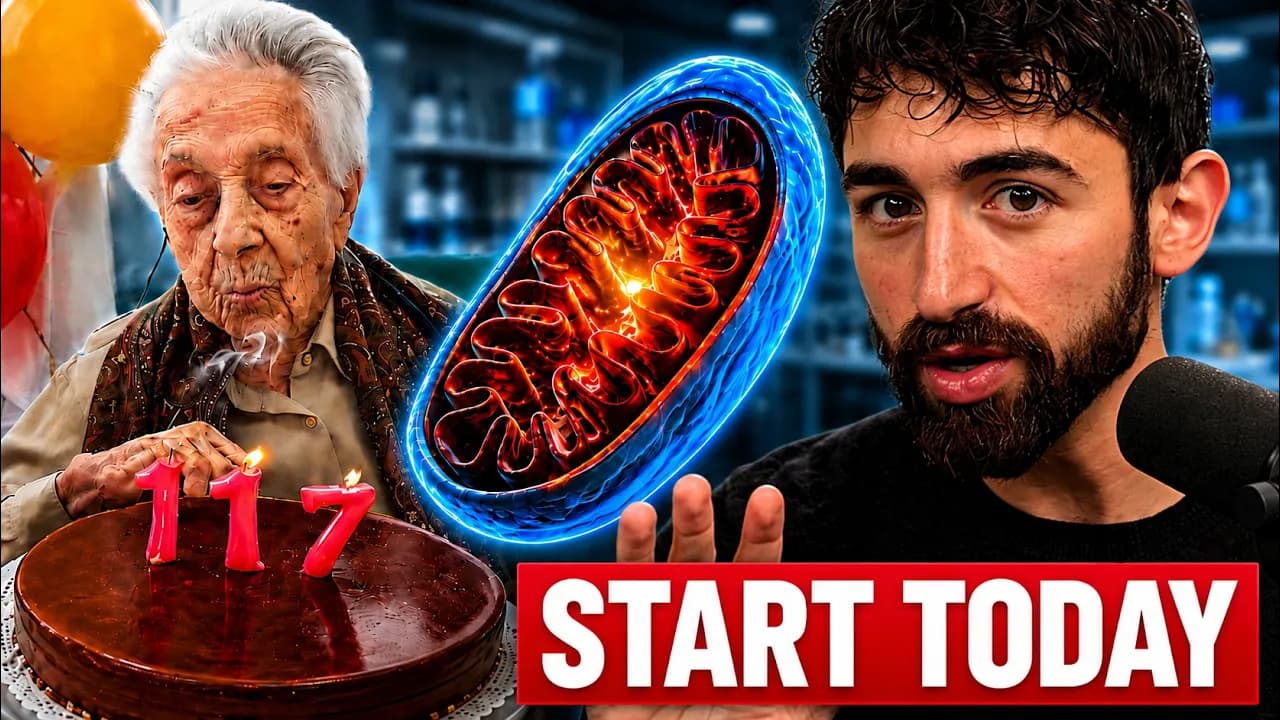
Let's talk about polar mitochondrial dysfunction. Yeah. Mitochondrial dysfunction. So the mitochondria, everybody knows this from junior high school biology are the powerhouse of the cell. So clearly if they are dysfunctioning that's a bad thing. Mitochondria do generate energy but that they do a lot more actually. We often forget that they are involved in processing fats, processing amino acids, generating heat. They do a lot of things as well, but I think the simplest way to think of it is the battery packs of the cell. And why do they start dysfunctioning as we age? Well, there are a lot of causes and and we scientists argue about what the the real cause is. But one of the main things that we all agree on is that mitochondria, their genome gets damaged. So mitochondria have their own circular chromosome and you get mutations over time no matter what you do. And cells typically get rid of dysfunctional mitochondria. But as we get older, we're also unable to turn these over. We can still make mitochondria, but the process becomes less efficient and quality control declines. And that means that our muscles, our brain, most of our cells end up with old, damaged, dysfunctional mitochondria. So we're not able to efficiently process fat, generate heat, and especially generate energy, which we need to survive.
And this is one of the key reasons why as we experience aging, our energy drops, and the time it takes us to recover from exercise increases. Exactly. It's another reason why wound healing takes longer. It's one of the main reasons why you wake up in the morning and you just don't have enough energy. When I and colleagues of mine do the kind of things that boost mitochondrial activity, we feel so much better. We can jump out of bed. We have energy powering through the day. We sleep better even. And so that's one of the main things we need to do is to maintain the youthfulness of these mitochondria.
There's some research out that talks about leaky mitochondria. Can you talk about leaky mitochondria? Oh, for sure. So the the DNA in mitochondria is recognized as foreign if it leaks out. And old mitochondria tend to be leaky. And we find mitochondrial DNA out in the rest of the cell when we're circulating well circulating within the cell. Within the cell, right? And also within the bloodstream. And this results in chronic inflammation. It's one of the mainies it Yeah. Says, "Oh my goodness, I I haven't seen this before." And actually, you should think of mitochondria as another species. They used to be an outside species that we've taken into our bodies. And so even though this is one of the secondary drivers of aging, there are things that we can do to improve the function of our mitochondria as we age.
There certainly are there lots of things you can do. The basic ones for mitochondria are to exercise and then there are supplements that also boost mitochondria. Can we talk a little bit about also exposure to cold? That's something that we wrote about in lifespan. Yeah. Yeah. So mitochondria are able to generate heat but typically they only do this when they become uncoupled. And what that means is it's a short circuit in the process of making energy. So instead of making chemical energy which the chemical is called ATP. If you short circuit it instead of making ATP they make heat. And we don't want all our cells to be making heat. We'd overheat. But there are certain parts of the body such as muscles and particularly brown fat which babies have a lot of because they don't shiver a lot that we can use to generate heat. Now when you have this process going on, it's also quite healthy because these uncoupling processes cause mitochondria to signal to the rest of the body to be healthier as well. So that's one of the main reasons why cryotherapy works is that it's revving up these uncoupled mitochondria to generate heat.
And a little bit of exercise and a little bit of exposure to cold isn't really enough to trigger this reaction and get these things really working, right? We have to like put these things into some stress. You do you have to get out of the comfort zone. Remember we talk about hormesis. What doesn't kill you makes you stronger. If you're not feeling uncomfortable, then you're probably not getting the benefits. If you don't feel a bit of a shock in either under a cold shower or in an ice bath, you're also probably not cold enough to stimulate these defenses of the body.
There are some molecules that is thought can have an impact on mitochondrial function. Yeah, this is one of the main areas of aging research that's pretty well established. If you take molecules that can trigger the mitochondria to be amplified, to regrow, to be recycled, you're doing well. So that we call these exercise mimetics because they really do what exercise can do. This is not an excuse by the way to sit on your ass and pop pills, but they can be used as adjuncts to exercise. An example would be curcumin which is anti-inflammatory probably for that reason that they're protecting the mitochondria. Berberine is one. This berberine is often called poor man's metformin which is a molecule that actually inhibits mitochondrial activity. is metformin which is a drug diabetes drug which in the US you need a prescription for and then there's the classic resveratrol the molecule that comes from red wine if you give animals resveratrol their mitochondria amplify up they become stronger they become more numerous and similar to exercise.
Is there any indication that mitochondrial replacement therapy might be an avenue that we'll be able to take in the near future so mitochondrial replacement is a really interesting a new area of science. I thought maybe 5 years ago that it would be impossible to replace mitochondria. How are you going to possibly do that? These mitochondria are like bacteria. How do you get that into a cell? It turns out if you put healthy cells that carry mitochondria into the bloodstream, you find that they can donate those mitochondria. So for instance, people are taking stem cell infusions. So babies umbilical cords, they produce stem cells. What we're finding early in early research is that these cells can donate mitochondria to other cells. Exactly how that works, we don't know. We just know that it seems to happen. So, I think in the future it could be a really interesting way to rejuvenate your body is to introduce cells that can donate the healthy mitochondria either from babies or embryonic tissue or even your own body when you were young uh to give it back to your body when you're older. Now, that latter part that I mentioned, what it requires is for you to store your stem cells when you're young, right? And so, theoretically, that would do more than just a simple stem cell transplant. Yeah, you're right. So, what we're finding in animals and in people when you rejuvenate mitochondria, there are really big effects uh not just in aging, but in treating Parkinson's and Alzheimer's, these mitochondria seem to be really key to delay the aging process itself.
Let's move on to one of these tertiary drivers of aging. Stem cell exhaustion. It sounds like little stem cells have been running a race and now they're like, "Right." Well, if you're starting to feel exhausted, you probably are having stem cell exhaustion in your old age. So, stem cells are the cells that give rise to all the different types of cells in the body. And as you get older, they become less efficient at doing that. So being able to build new tissue from stem cells declines and that's a real problem of course because you want to always be rebuilding tissue whether it's old or damaged. We've got a variety of stem cells in our body. They range from hemopoietic which is the cells that give rise to your immune system. We actually lose those as we get older. They start to make the wrong types and eventually you only get a few cell types instead of thousands. So you're much more susceptible to infection. There are other types. There are tissue specific stem cells. So for instance, our gut has intestinal stem cells that are constantly giving rise to new cells cuz our gut is sloughing off cells continuously. Your gut will start to decline if you can't produce new gut lining from these stem cells. Same for parts of the brain, certainly for the liver. These are parts of your body that need replacement. As your stem cells become less efficient, you'll actually start to have real signs of aging. There are mammary gland cells, skin stem cells. Of course, one of the reasons we start to look old and wrinkles is our stem cells are declining with age. Your skin is actually one of the best indicators. Uh, one of the best signs of aging is that you will heal more slowly when you're injured. You really should be starting to take action against this process. And there are things we can do. Obviously, taking care of your stem cells is one of the best ways to prevent that from happening.
But you can you can do things to keep your stem cells from becoming exhausted. Well, you can. It's about taking care of yourself. So if you take care of yourself, your stem cells will be healthier. Things like the lifestyle. So better diet, exercise, all this stuff. But there's also things you can do specifically for stem cells. Just briefly talk about where we're at in stem cell replacement therapy and what that potentially could be doing. Right. There's a lot of hype around stem cells. People saying, "Oh, we're going to pull it out and grow them up and put them back in, inject you with all sorts of things. There is some decent science around that, mostly around temporarily improving joints, but really the idea that you're going to get injection of stem cells and be totally rejuvenated, there's no evidence that that's true. And there's another problem, which is that stem cells need to be in what we call the niche. They need to find their home in the gut, for instance, the base of the what's called the crypt. to get a stem cell into that right now is extremely difficult and you can't just inject them into your body and expect them to find their home."
One thing that's important to me is that Lifespan only partners with companies that I genuinely believe in. They must be grounded in science and willing to support medical research that will ultimately change how we treat aging and diseases. Their support also helps keep this podcast free for millions of listeners around the world. One of those companies that I'd like to mention is Ketone IQ. I've known the founder, Mike, for over 5 years, and I'm a huge fan of what he's doing. I've been studying the benefits of fasting for over 25 years now. And one of the most important molecules is beta hydroxybutyrate or BHB, the primary ketone that our bodies make during fasting. That's an important metabolic fuel for your brain and your muscles. More recently, science has shown that BHB is also an epigenetic regulator of your immune T cells. These are cells that protect against viral infections. Ketone IQ is a little shot that contains R13 butanol, a naturally occurring molecule that your liver converts into BHB, and it happens in minutes instead of the day or two it normally takes through fasting. One of the studies on BHB that caught my attention recently was by Steven Krenine and colleagues. Their work in 2016 showed that while the aging brain loses its ability to use glucose efficiently, its ability to use ketones remains largely intact. And more recently, Quinonius and Lemon published a randomized trial in 2022 in the journal Nutrients, showing that ketones help preserve reaction accuracy during prolonged mentally demanding exercise. Personally, I use Ketone IQ quite often when I have a long day, when I'm recording podcasts, I'm writing, or I'm feeling a little down, or maybe getting a virus. I'd love you to try Ketone IQ, too. I asked the guys at the company to offer a 30% off discount for your first monthly order, which they kindly agreed to. You can visit ketone.com/lifespan, or at the checkout, just use the code lifespan.
So even if we have stem cell replacement therapy available to us, if we've determined that it's safe, this is not going to solve aging. This is going to solve some symptoms of aging. That's exactly right. Now, there are some really interesting areas of research with stem cells. There are doctors that are making progress in taking out your stem cells and storing them. There's a type of stem cell called an MSC, a mesenchymal stem cell. These are the stem cells in our body that give rise to muscle and fat. You can pull those out either from the blood or from your fat. And these can be grown up in culture, which is great, and then put back in later if you need them, such as into a damaged joint. A lot of sports people have this done. But these MSCs are not really the silver bullet that we're looking for to totally rejuvenate the human.
Let's move on to the altered intercellular communication. Our cells are having trouble talking to each other. That's basically it. So really what happens is when you're young your cells communicate very well. What they do is they either talk next to each other. So like at neighbors they talk to each other or even organs and tissues can talk to each other at opposite ends of your body. And when they talk to each other they're sending chemical signals back and forth. Yeah. Chemicals in terms of either proteins or small proteins called peptides and some of these are hormones we call them. And so these chemical or protein messages or peptides are secreted by organs. Most of our organs secrete these. Of course, kidney and brain and liver and muscle are all making these molecules and we're flooded with them. There are thousands of different types in our bloodstream. We don't know what most of these even do, but we do know that some of them are really important for slowing down the aging process. So, as we get older, like a lot of marriages, communication breaks down and it it's hell. It's true for our body. Our organs are constantly telling each other that there's good times, bad times. Our brain is telling our body how to behave. And we know from animal experiments that even our brain if it's inflamed, it will send out chemicals or fail to send out chemicals that will cause aging throughout the body. uh one great experiment from Dong Sheng Kai who
Dong Sheng Kai at Albert Einstein College of Medicine in New York conducted an experiment demonstrating that reducing inflammation in the hypothalamus - a key brain region that produces chemicals for optimal function - extended mouse lifespan. When inflammation remained low, the hypothalamus continued distributing these beneficial chemicals effectively.
As aging progresses, organs including the brain lose their ability to send out proper chemical signals or may transmit incorrect signals that accelerate the aging process.
Hormone replacement therapy serves as a practical example of artificially replacing lost communication signals. Women can replace declining hormones through this approach, and men can supplement testosterone. While this doesn't cure or solve aging, it effectively alleviates symptoms.
The brain constantly releases chemicals that instruct the body on maintaining youthfulness. These signals diminish over time, particularly when the brain becomes inflamed. Eating well and taking anti-inflammatory molecules help preserve these communication pathways.
Biological aging begins long before visible signs appear. People of identical chronological age can age biologically at vastly different rates, and lifestyle choices throughout life influence this trajectory.
Maintaining mitochondrial health proves essential for preserving energy and tissue function during aging. Mitochondria become damaged, harder to recycle, and less efficient with age. Since mitochondria are central to energy metabolism, cellular signaling, and stress responses, these changes contribute to declining tissue function and increased age-related disease risk.
Physical activity represents one of the most effective interventions. Both aerobic and resistance exercise provide benefits, and maximal effort isn't required - moderate intensity activity can be highly beneficial.
Cold exposure activates thermogenesis and affects mitochondrial biology in brown fat. Molecules including curcumin, berberine, and resveratrol are being studied for their mitochondrial effects. High-quality supplements should be discussed with a physician.
Chronic high-dose antioxidant supplementation, particularly vitamins C and E, can dampen exercise benefits. Some reactive oxygen species generated during exercise serve as hormetic improvement signals that may slow aging and aid recovery. Blocking all oxidative stress through excessive antioxidant use may interfere with these beneficial adaptations.
Sleep protection, early daylight exposure, and minimizing bright lights and screens at night support mitochondrial health. Smoking and vaping should be avoided entirely, and alcohol intake should be limited.
Persistent fatigue, heavy snoring, or waking exhausted shouldn't be dismissed as normal aging. Sleep apnea, iron or vitamin B12 deficiency, and thyroid changes warrant medical evaluation.
Stem cells become less capable of replacing damaged tissues and blood cells with age. Communication between cells and organs also deteriorates. While supplemental interventions exist to increase lifespan, fundamental longevity practices remain exercise, eating well, and eating less often.
Targeted approaches to restore stem cell function and cellular communication are under study but aren't yet established by medicine or science.
As mitochondria become damaged with age, their DNA can escape into other cellular compartments and eventually into circulation. The immune system recognizes this mitochondrial DNA as a danger signal, potentially mistaking it for viral or bacterial infection, triggering chronic inflammation.
C-reactive protein (CRP) serves as a measurable marker for this inflammatory response. This topic connects to strategies for reducing inflammation through accessible methods.
Keep David Sinclair in your library
Save the videos and channels worth coming back to, and find them again in one place.