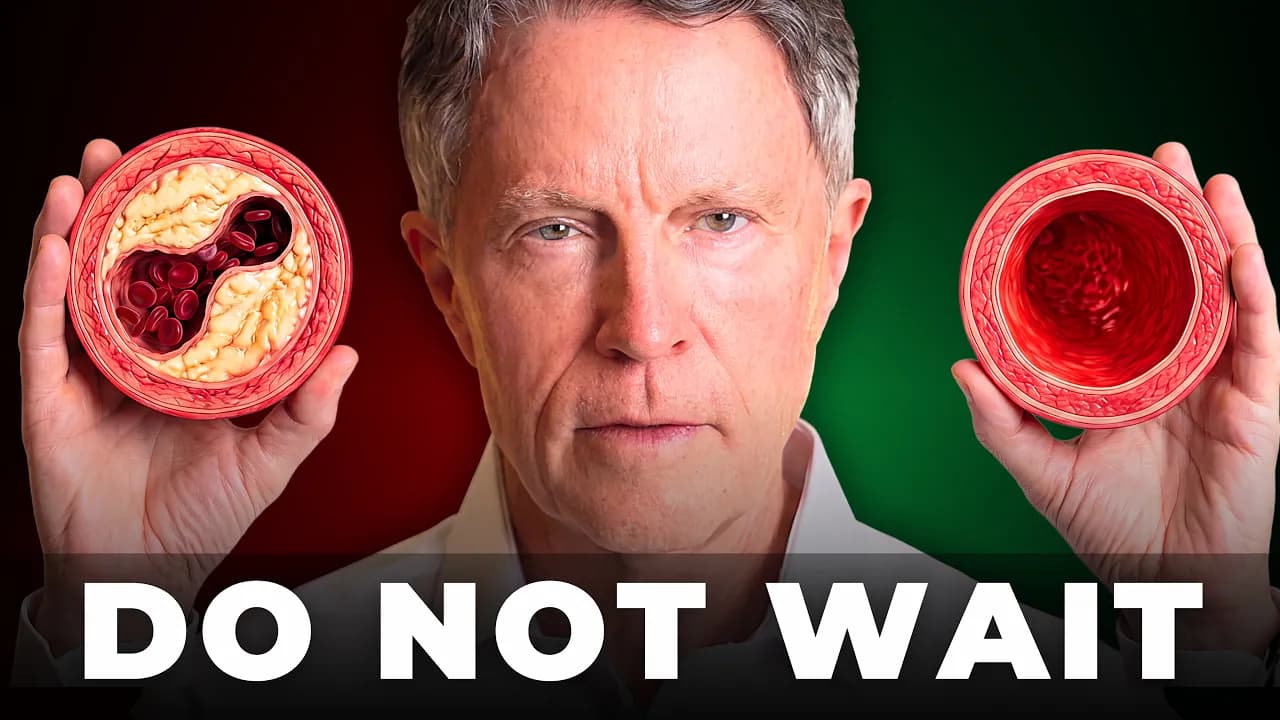
#1 Best Diet To Clean Your Arteries
In a Nutshell
The #1 artery-cleaning diet meets three criteria: (1) keep post-meal blood sugar under 140 mg/dL (check 30 min and 2 hours after eating with glucometer/CGM), (2) minimize inflammation by avoiding refined carbs and ultra-processed foods, and (3) prioritize nutrient-dense real foods with adequate protein to preserve muscle and support repair. Examples include keto, low-carb Mediterranean, smart Paleo, or whole-food plant-based—avoid Standard American Diet or junk versions like dirty keto. Verify success with labs (A1C, triglycerides, HDL, fasting insulin) and consistent blood sugar control for plaque reversal and lower heart risk.
These notes were generated by AI and may contain inaccuracies.
If you've worried about clogged arteries in your 50s, you've probably researched ways to lower your cholesterol. Google searches yield thousands of answers: Keto, Mediterranean, plant-based, carnivore. Each camp claims theirs is the answer, citing supporting studies. But cholesterol is not the problem. Something else scrapes artery walls that needs clearing. No single diet cleans arteries. It comes down to three specific criteria anyone can hit, whether meat eater or vegetarian. Hitting all three heals arteries and lowers deadly heart attack risk.
I'm Dr. Ford Brewer, preventive medicine specialist with over 40 years of clinical experience.
Every artery-cleaning diet controls blood sugar. Standard checkups miss this. Every blood sugar rise damages artery lining (endothelium or intima)—delicate inner wall of blood vessels.
Key number: 140 mg/dL. Post-meal blood sugar over 140 triggers inflammation in artery walls, building plaque. Plaque is not fat or cholesterol alone; cholesterol is often just an indicator. Repeated spikes (twice daily, hour after hour) damage arteries.
Patient example: Mike's fasting blood sugar was 94 (normal). Doctor said fine. But after cereal breakfast and big bread-heavy sandwich lunch, blood sugar hit 170-180+ daily. Fasting looked clean overnight, but post-meal damage occurred unchecked.
Fasting labs miss this. Use CGM (continuous glucose monitor on arm) or basic glucometer from pharmacy. Check 30 minutes and 2 hours after eating. Damage happens post-meals, at least twice daily.
Artery-cleaning diets keep inflammation low via food quality, nutrients, and avoiding heavily processed ingredients, especially grain-heavy carbs irritating vessels daily.
Standard American diet is high in refined carbs, added sugar, ultra-processed; low in real food (vitamins, minerals, plant compounds for artery repair).
Meta-analysis of 22 studies: Most ultra-processed food eaters had 17% higher heart disease risk, 23% higher coronary artery disease risk vs. least.
Personal story: Dr. Brewer ate lots of bread (cultural: break bread, toast, cereal, pasta). Bread contributed to his own artery plaque.
Every meal either raises or lowers inflammation. Turn it down with every meal.
Most named diets (Mediterranean, plant-based, Paleo) can fail or pass depending on execution.
Diets must be rich in nutrients (vitamins, minerals, plant compounds from real food for artery repair) and provide enough protein to protect muscle.
Dirty keto (bacon, cheese, no veggies) passes blood sugar but lacks nutrients. Junk food vegan same issue.
Protein critical over late 50s+ (Dr. Brewer is 68). Muscle clears post-meal glucose, acts as safety valve. Aging loses muscle naturally, worsening blood sugar control—feedback loop: less muscle → higher spikes → more artery damage → spiral.
Hit all three criteria for clean arteries. Miss one, and labels like 'low carb' or 'keto friendly' won't save you.
Cut refined carbs and ultra-processed foods, especially carbs.
- Keto does this.
- Low carb Mediterranean does.
- Whole food plant-based (low carb focus) does.
- Smart Paleo does.
- Standard American diet does not.
Robert Lustig: Healthy diets range from keto/carnivore to vegetarian/vegan, but Standard American diet never works—piles fats with processed carbs, raises blood sugar, insulin blocks fat digestion.
Eat minimally processed, nutrient-rich: non-starchy vegetables, quality protein, healthy fats.
Sample Meal 1 (late morning): 3 whole eggs in butter/ghee, small liver portion (1-2 bites, ~1 oz), sardines/salmon. Provides omega-3s, B12, vitamin D, iron, choline. Big salad: spinach/arugula/romaine base + red cabbage, bell pepper, carrot, radish, cherry tomatoes, red onions, garlic, olives, sauerkraut. Top with avocado, pumpkin/sunflower seeds. Dress: extra virgin olive oil (cough-inducing kind), lemon, herbs, salt. Covers most daily vitamins/minerals, no refined carbs, flat blood sugar.
Sample Meal 2 (late afternoon/evening): 7-8 oz steak/chicken thighs/salmon + low-carb veggies (broccoli, cauliflower, Brussels sprouts, asparagus) roasted in olive oil/butter. Add cheese/protein shake if needed (check blood sugar—some spike it). Bone broth for glycine (supports tissue repair).
Between meals: low refined carbs, blood sugar under 140, nutrient-loaded.
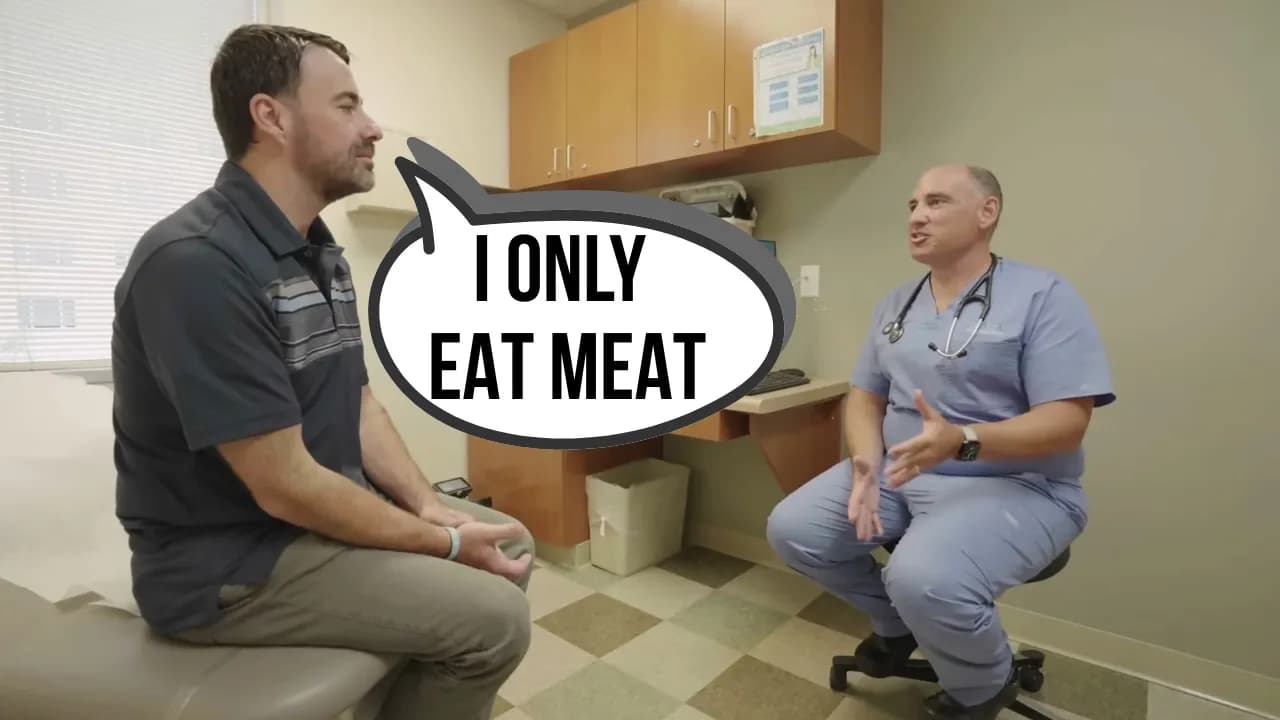
Carnivores: Framework works if protein protects muscle/arteries. Omnivores: Salads won't hurt. Adapt plant-based with same criteria.
Use glucometer/CGM: Check 30 min and 2 hours post-meal.
Labs: hemoglobin A1C, triglycerides, HDL, fasting insulin. Improving numbers confirm success.
Best diet: Any sustainable pattern hitting all three criteria—no blood sugar over 140, no inflammation, adequate protein/nutrients. Verify with labs/glucometer.
Dr. Brewer's team helped thousands.
Next video: Single best food for arteries with strongest evidence for slowing/reversing plaque.
Growing old is just not for sissies, but it's a lot better, a lot easier with healthy arteries.
Keep Thomas Fordham Brewer MD MPH in your library
Save the videos and channels worth coming back to, and find them again in one place.