7 Daily Morning Habits to Avoid a Deadly Stroke
In a Nutshell
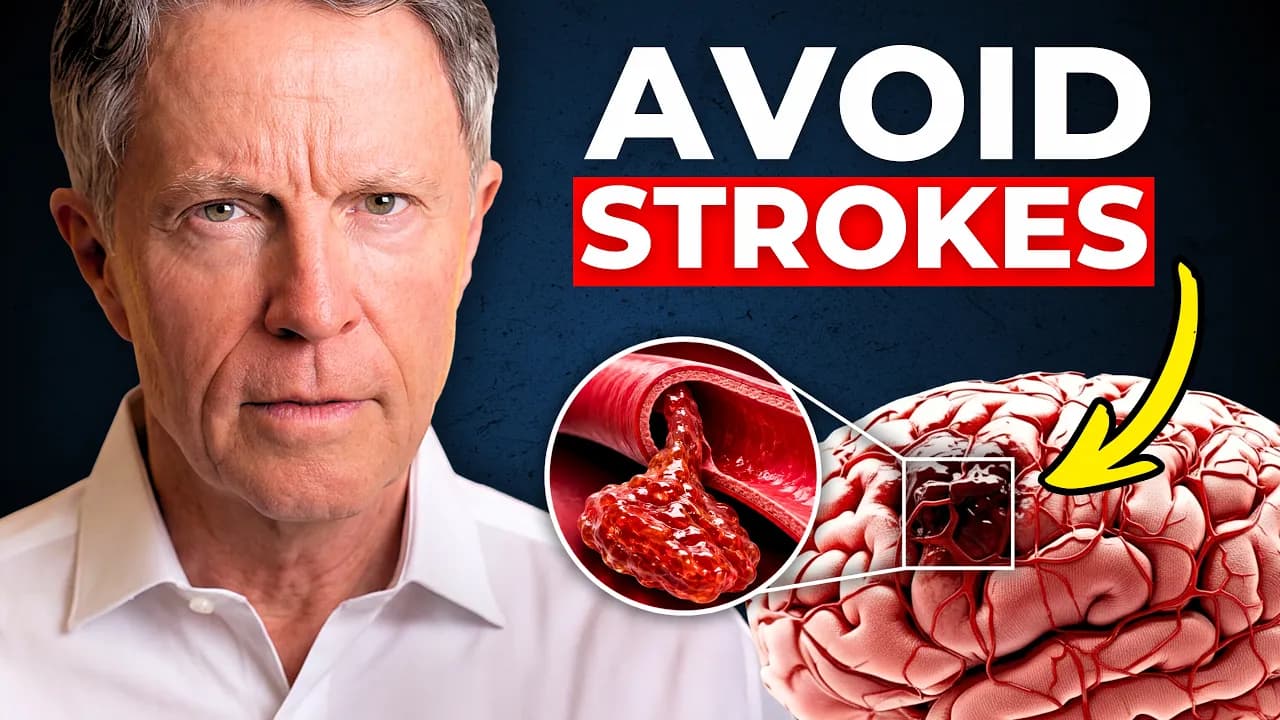
The first 60-90 minutes after waking is the highest stroke risk window due to blood pressure surges, dehydration-thickened blood, and sticky platelets. Counter it with these 7 habits: 1) 5 minutes diaphragmatic breathing in bed; 2) 250-300ml water before coffee; 3) 10-20min brisk morning walk; 4) 5-20min sun exposure (no screens); 5) 10-15min no-equipment resistance training (squats, push-ups, etc.); 6) Stroke-safe breakfast (eggs, veggies, bacon, nuts, high-fiber/low-sugar like berries, no cereal/juice); 7) Unsweetened coffee/tea. These reduce stroke risk via nitric oxide production, stable blood sugar, better endothelial function, and circadian alignment—backed by studies showing 12-27% risk drops from fiber, morning walks, and tea.
These notes were generated by AI and may contain inaccuracies.
Most dangerous time for stroke is first 60-90 minutes after waking up. Stroke rates between 6 and 10 AM run 80% higher than rest of day. Biological danger window where people do wrong things: grab phone, skip water, spike blood sugar with cereal like Cheerios Nut and Honey or Kashi.
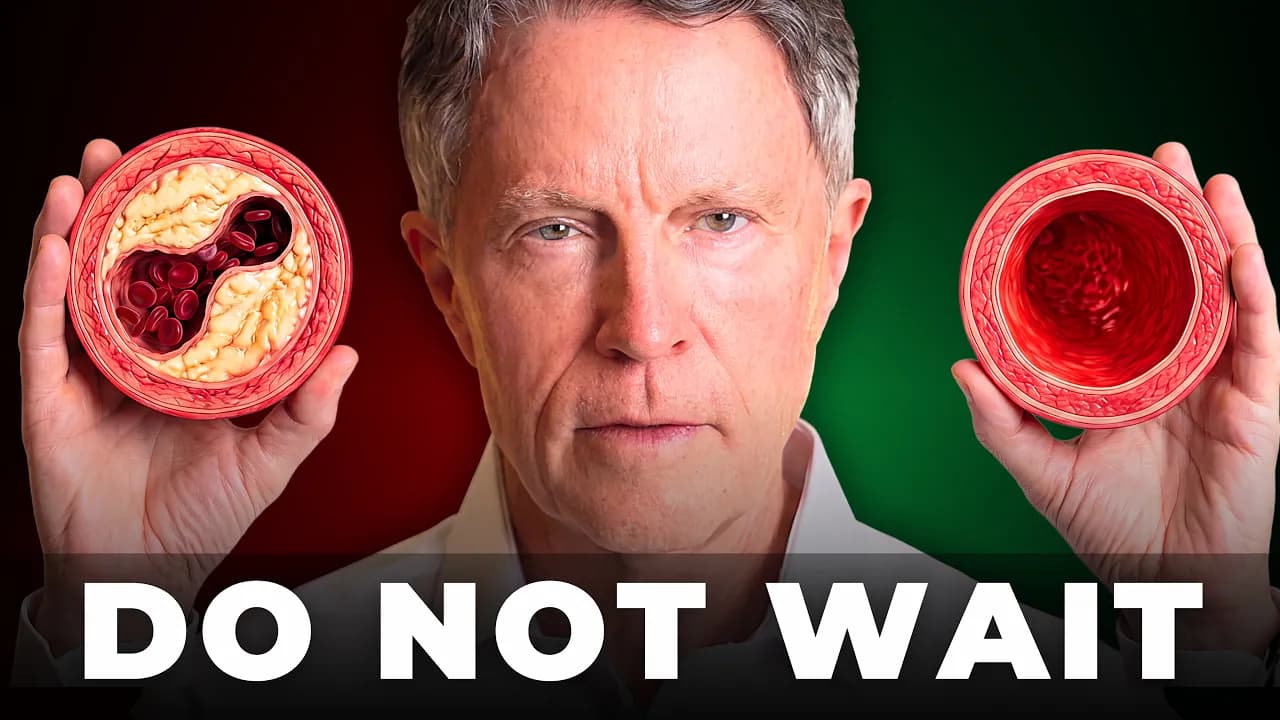
Strokes from plaque rupture creating clot, uncontrolled atrial fibrillation sending clot to brain, or high blood pressure rupturing brain artery. Morning triggers after buildup over years:
- Blood pressure surge: Cortisol, adrenaline, sympathetic nervous system activate. Vessels tighten, heart rate climbs, systolic pressure jumps 20-25 points in first hour.
- Thick blood: Dehydrated after 7-8 (or 10-12) hours without fluid, losing water via breath, sweat, humidity. Blood most concentrated in morning.
- Platelet activity peaks: Platelets stickier, more prone to aggregating and clotting.
High blood pressure, thick blood, sticky platelets, activated fight-or-flight all simultaneous.
First thing: don't grab phone or jump up. Control surge with slow diaphragmatic breathing (stomach breathing) to activate parasympathetic (rest-and-digest) system, slow heart rate.
- Slow breathing from 15-20 to 6-8 breaths per minute.
- Inhale slowly through nostrils (5-count), exhale slower through pursed lips (6-8 count).
- Do for 5 minutes in bed before phone or feet hit floor.
Drops systolic blood pressure 7 points. More reliable than many prescriptions. No copay, free. Hand on chest, hand on abdomen. Stimulates vagus nerve, widens vessels, lowers blood pressure.
Dehydrated blood thicker, moves slower through brain vessels, more clot-prone. Avoid diuretics first: no coffee (diuretic effect concentrates blood more), alcohol, beer (liquid bread), orange juice, soda, energy drinks.
Drink 250-300 ml (quarter to half glass) water within first 10-15 minutes of waking, before anything else. Then have coffee.
Same walk volume: morning (8-11 AM) linked to 27% lower stroke risk vs later (accelerometer data). Blood moves faster, signals vessel lining (endothelium) to produce nitric oxide (relaxes vessels, lowers blood pressure; Nobel Prize to Lou Ignarro).
10-20 minutes brisk walk (can converse, not lecturing; no intensity). After breathing and water, put on pants, go outside.
Series visiting homes:
- Harlan: lifelong smoker from age 11, progressed to pre-diabetes/full diabetes, couldn't walk due to peripheral artery disease. Improved after recommendations.
- Hobie Huckel: overfocused on supplements, neglected basics like avoiding midnight ice cream. Had serious unnoticed risks.
- Lori (upcoming Saturday 11 AM Eastern): leg pain from clogged arteries, slept on couch. Now rides motorcycle.
Calvin Perry Goforth (future episode) likes series.
After walk, no phone. 5-20 minutes outside sunlight:
- Sets circadian clock, controls cortisol, sleep quality, blood pressure dip at night (non-dippers have higher heart attack/stroke risk).
- Ultraviolet light on skin releases nitric oxide directly into bloodstream (immediate, separate from vitamin D pathway), relaxes vessels, lowers blood pressure.
Phone light messes cortisol, sleep; triggers stress, raises cortisol, undoes walk benefits. Avoid news/stress content.
After walk/sun, don't stop. Resistance training produces nitric oxide via mechanical load on vessels (different from walk's shear force). Builds muscle for better glucose clearance, insulin response.
No muscle → poor glucose control, insulin resistance, chronic inflammation, plaque progression. In 50s-60s: too much fat risk; 65-70+: sarcopenia (muscle loss) causes inflammation from poor glucose management despite surviving fat-related vascular risks.
Resistance training directly intervenes on insulin resistance, the real driver of arterial disease even in people whose labs look fine to primary care doctors. Doctors often miss pre-diabetes and metabolic disease because cholesterol panels and lipid panels look great, and fasting blood sugar at 99 or 100 is dismissed as "a touch of sugar."
Many think resistance training requires gym, dumbbells, or bands, but full-body exercises need no equipment:
- Squats
- Wall push-ups
- Wall sits
- Deep lunges
- Isometric holds targeting big leg and hip muscles
- Chair stands (most have a chair)
- Heel raises
- Toe raises (use a stair if available)
Do 10-15 minutes (or less) right after walking. Walk and resistance training hit vessel walls via different mechanisms; neither alone matches both together. These prevent strokes and heart attacks.
Total routine so far (breathing, water, walk, resistance): 45 minutes to 1 hour daily from 24 hours—worth it for long-term health.
Dr. Brewer prioritizes prevention. Subscribing is free (click subscribe); membership organizes questions and offers perks (over 1,000 members). Non-members' relevant questions answered too. Click join for membership (few bucks/month).
User RBT loves Honey Nut Cheerios but quit. Speaker avoided cereal; bread was kryptonite—ate salad and bread thinking fat was the problem, unaware of carb damage.
David/Dairy Goats asks about biscuits/gravy, pancakes with sugar-free syrup. French toast thumbnails tempt, but spike blood sugar. Goat milk is high protein. Use sugar-free syrup.
"You can get older, but you never have to get old." —George Burns
Everyone dies, but avoid diabetes, kidney disease, stroke-induced dementia, bedridden state, wheelchair, heart failure. Vascular disease (heart attacks #1, strokes #3) causes permanent disability—bedridden, burden on family, helpless.
Coffee: No special recommendations; recent Colombian bag.
Dogs enforce morning walks, lower blood pressure (per 10 ways video). Responsible owners get sunshine/exercise. Dogs are friends needing walks (vs. cats).
Live shows recorded on Dr. Brewer's channel (live shows section). Supplements: Search "Dr. Brewer's supplements" on YouTube; videos list what he takes, brands, quantities, timing. Supplement store under regular videos (not live) or prepmedhealth.com. Dr. Brewer vetted provider (2 years, visited warehouses); only evidence-based items (no collagen).
Preventive care: Call 859-721-1414 for lifestyle-focused packages, health coaching, or Dr. Brewer (only preventive medicine specialist licensed in all 50 states).
Avoid carb-heavy breakfasts like French toast (delicious but worst choice). After morning efforts, don't spike blood pressure/arteries via blood sugar/insulin rises 2-6x daily. Doctors check fasting glucose (looks good) but miss postprandial spikes after sugar bombs.
Fiber counters: slows glucose absorption, flattens spikes, feeds gut bacteria reducing systemic inflammation. Meta-analysis (300,000+ people): each additional 10g daily fiber cuts stroke risk ~12% (dose-response effect)—stronger than many meds.
Stroke-safe breakfast:
- Vegetables
- Eggs
- Bacon
- Nuts/seeds
- Plain yogurt (no added sugar)
- Avocado
- Olive oil
- High-fiber, good protein
Nothing refined/sweetened/no sugar. Skip juice. If fruit: blackberries, blueberries, raspberries, strawberries (not orange/banana—too many carbs). Juice = glucose spike in glass.
Orange juice/cereal ruins prior efforts. Breakfast either worsens or undoes danger window.
Personal: Eggs + chorizo (pork), big salad, coffee (zero sugar). Or Greek yogurt + berries as "dessert."
Dr. Brewer: Ham/eggs/bacon; often skips (prefers intermittent fasting/ time-restricted eating/TRE). Best skip dinner (social issues), not breakfast. Example: sous-vide egg, cheese, 1 bacon rasher (zero carbs).
After water/walk/resistance: Coffee/tea OK, but no sugar—equivalent to brushing teeth then eating Oreos. Each tsp sugar = glucose spike, undoing flat morning.
Unsweetened green/black tea best: polyphenols support endothelial function, reduce inflammation/oxidative stress/plaque. Meta-analysis (500,000+ people): regular tea = ~13% lower stroke risk.
Coffee: neutral to mildly helpful (moderate intake); problem is additives (esp. sugar).
Rule: Sweetened tea first; plain coffee fine; sugar in coffee/tea = repeated daily insult (morning hits accumulate: week/month/decade = major damage). Sweet tea habit hard to break in Southeast US.
Upcoming video (Saturday): Patient with sweetened liquid addiction (every 5 min insults).
Teresita: Blood levels (cholesterol, glucose, insulin) declining every 3 months since November via lifestyle.
Roger Lamson: 8-16h fasted exercise (walk/resistance pre-eating)? Fine if not jumping from sedentary; speaker/others do it. Risk: Uncontrolled diabetes/metabolic issues → hypoglycemia post-exercise (eat first then). Fat-adapted OK.
RB2: CGM shows 140+ morning jump, then 70s-140. Possible dawn phenomenon (higher AM sugar). >125 fasted = diabetes criterion (get oral glucose tolerance test + insulin). Spikes >140 normal in workouts/fat-adapted. We can help test.
Stable plaque risk is not much greater than someone without plaque. Numbers can cut one of two ways; need clarity to know which. Way to go, Roger. Have you done a fiber video?
No specific video on fiber, but videos on best foods to heal arteries and best diet to heal arteries cover fiber impact and carbohydrate to fiber ratio—choose carbs with more fiber to blunt glucose spikes. Back in shaky paper days, did fiber content. Might do members video or live show on fiber science and evidence.
Familiar with Bale-Doneen; had Brad and Amy on show multiple times, active in community 6-7 years ago. They do good work, books are good. Not just LDL, it's inflammation.
Can't understand destroying good strong black coffee with cream or sweeteners. Experimenting with adding cinnamon to coffee due to research on blood sugar impact; cinnamon flavor is nice.
NNT (number needed to treat) for statins in secondary prevention of stroke ranges 125 to 258. Taking for years may not be worth it for some. Absolute risk vs relative risk debate. Don't use mid to high dose statins; vast majority of data built on those doses, doesn't apply here. Low-carb community says never use statins; other side says lower LDL. More to reality than emotional debates.
Strokes and heart attacks both from vascular inflammation, most often from unrecognized metabolic disease. Number one heart disease issue causing stroke is atrial fibrillation (AFib)—abnormal heart rhythm creates pool of clots in upper chambers, can pump to brain. Metabolic disease and high blood pressure together cause majority of strokes.
No supplement substitutes for good AFib treatment. Dr. Bruin controlled his AFib by losing 10-15 pounds. For paroxysmal AFib (comes and goes, creating clots), anticoagulant like Eliquis or Xarelto necessary. Don't supplement for AFib directly; use supplements as part of lifestyle for metabolic disease, which drives AFib. AFib correlates with undiagnosed diabetes or significant metabolic disease. Inflammation from blood sugar/insulin drives atrial conduction changes causing AFib.
Managing Metabolic Disease First
Manage metabolic disease: blood sugar not spiking over 140 multiple times a day, no waist fat accumulation, exercise, eat clean, manage sleep/stress. Link in video description or comment 'info' or 'heart' on Facebook for heart attack prevention protocol. Call 859-721-1414 for health coaches.
Do breathing exercises first, then take blood pressure. Don't take every morning unless advised—expectation and anxiety can raise it. Check here and there if not necessary. Never check every day; gets too focused, like checking blood sugar >25% of time makes you nervous without improving care. Caveat: sometimes need BP log (multiple times/day) for uncertainty, white coat hypertension, etc.—usually once in a lifetime.
Blood pressure surge, sticky platelets happen regardless in morning—biology, can't opt out of danger window. Counter with 7 habits: don't grab phone, don't pour cereal with orange juice, don't spike insulin while dehydrated with sticky platelets and cranked sympathetics. Manage blood sugar all day every day for healthy body composition: minimize body fat/visceral fat, maximize muscle, no routine spikes over 140, better sleep. Growing old is not for sissies—hard at 68, but easier with healthy arteries. Protect them. Next House Calls Saturday 11 a.m. Eastern: Laura's story. Playlist for previous episodes at end of video.
Keep Thomas Fordham Brewer MD MPH in your library
Save the videos and channels worth coming back to, and find them again in one place.