Assault on Pelindaba | 60 Minutes Archive
In a Nutshell
In 2007, armed intruders breached Pelindaba's 10,000-volt fence and security systems in South Africa, reaching the emergency control room at the nuclear plant storing over 1,000 pounds of weapons-grade highly enriched uranium (HEU) capable of building multiple atomic bombs; two groups attacked simultaneously, one assaulting staff and shooting witness Anton Gerber while security took up to 24 minutes to respond. South African officials dismissed it as random burglary despite evidence of sophisticated planning, including disabling alarms and cameras, prompting expert concerns over potential insider help and terrorist motives to steal HEU for a crude bomb. Multiple investigations stalled, with no arrests, highlighting severe security lapses at this "national key point."
These notes were generated by AI and may contain inaccuracies.
The assault on Pelindaba would make a hell of a movie, but it's a thriller that is all too real, with consequences that might have threatened the world. It was a daring break-in at a heavily guarded nuclear plant that holds enough weapons-grade uranium to build a dozen atomic bombs. The story is little known, but after months of reporting, it can be told for the first time through the eyes of the only witnesses. What happened at Pelindaba is the kind of thing that keeps Presidents awake at night.
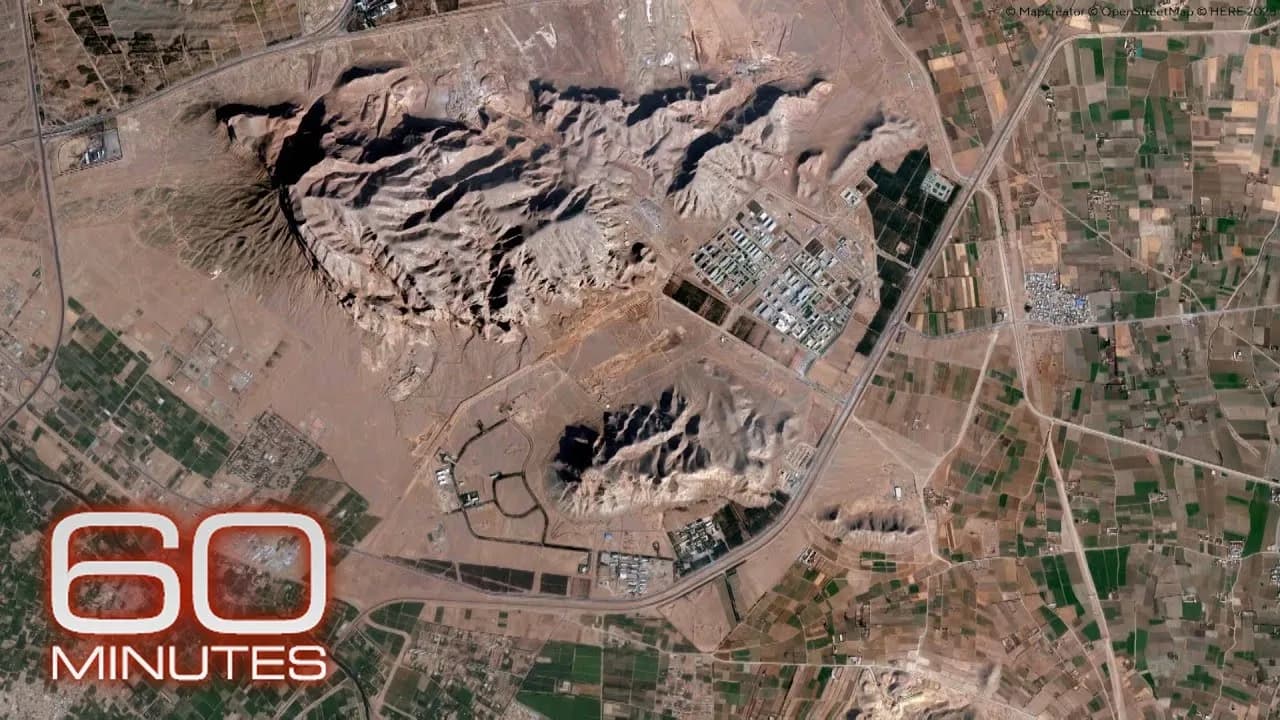
Pelindaba is nestled in the African bush, not far from the capital of South Africa. This is where the former apartheid regime secretly built nuclear weapons. In the 1990s, South Africa chose to disarm. The bombs were dismantled. But the highly enriched uranium (HEU), the fuel for the bombs, is still here. South Africa assures the world that Pelindaba is a fortress.
Last year, on the night of November 7th, Pelindaba was the scene of the boldest raid ever attempted on a site holding bomb-grade uranium. It happened just after 1 o'clock at night. Anton Gerber has worked at Pelindaba for 30 years. He's chief of the plant's emergency control center. He was in the control room when masked men broke in.
There's a crack in the door, and I looked through this, and I saw this four armed gunmen entering the passages. It's coming straight to us in the control room. You could see that they were carrying handguns? Yeah. All four of them? All four of them.
The men had breached a 10,000 volt fence, passed security cameras, and walked three-quarters of a mile to the control room that monitors alarms and responds to emergencies. Gerber called the security office just three minutes away.
I immediately said to him, come and help us. We're under attack. There's four armed men inside our building.
And the first guy who stepped into the office, he said to me, why do you phone? He was shouting at me. Why do you phone? Why do you phone? In English? Yeah, in English.
And I was still so surprised, you know. My first words to them, is this a joke?
The only other employee in the control room was Ria Mehring. And he grabbed me at my ear and pulled me out, and he put a gun to my head while the other three guys were fighting with Anton.
But the attack on the control room was just the start. A second group of gunmen on the other side of the plant was cutting through the fence and opened fire on a guard.
You think they were after the HEU? That's certainly the most valuable single thing that's at that site.
Matthew Bunn of Harvard's Kennedy School of Government has studied the attack and has written a classified report for the government on atomic security. Bunn says highly enriched uranium is extremely difficult to make and would be worth millions of dollars on the black market. And if terrorists get a hold of it, it would not be hard to build a crude atomic bomb.
Highly enriched uranium basically involves slamming two pieces together at high speed. That's really all there is to it.
How much highly enriched uranium would a terrorist group need to build a weapon? Just over a six-pack's worth.
What do you mean? The amount of highly enriched uranium metal would basically fit into the cans of a six-pack.
But isn't this highly radioactive? Isn't a problem handling this stuff? No, unfortunately not. Highly enriched uranium is only very weakly radioactive. You can handle it with your hands.
Pelindaba holds more than a thousand pounds of HEU, and it uses some of it to make medical products. South Africa calls the plant a national key point, a facility with the highest security.
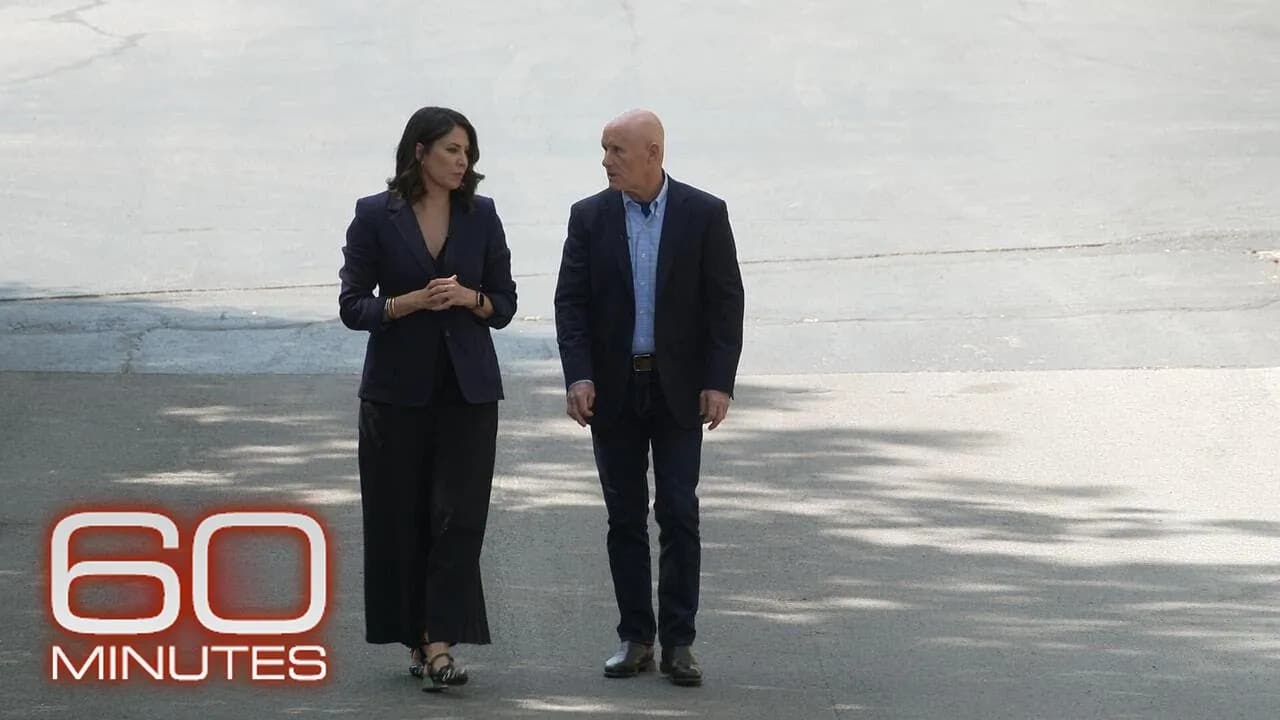
This is the first time this has ever happened on site. Ari van der Bylge, the general manager, brought reporters to the place where the gunmen got through the electric fence. They picked a spot down here in the bottom of this ravine. It's far below the perimeter road where the security guards would be traveling. The guards couldn't see them from up there.
Once they got to the fence, one of the men used plastic clips to raise the bottom of the fence just several inches above the ground. He spent about 20 minutes shimmying under the electrical wire. And once he was inside, he made straight for the box that controls the electricity and shut the whole thing down.
So the box has an alarm on it. They disabled that. Yes. It has a communications cable to warn the security office. Yes. They cut that. Yes. And then they shut the fence down. Yes. They knew what they were doing. They knew what they were doing, yeah, definitely.
It was a fluke that the man who stopped the plot was in the control room at all. The attack came on the night of a plant holiday party. The employee who was supposed to be on duty is a paraplegic in a wheelchair, but he got drunk. Mehring filled in at the last moment. Gerber is her fiancé. And he decided to keep her company. That left him facing the intruders who came at him with an iron bar.
When you had four men with handguns break down the door, why did you decide to fight them? I don't know. For the first moment, I thought maybe I must just put hands in the air and say, listen, what do you want? But I think the moment they hit me with that piece of iron, then it was all over. I start fighting.
Gerber says he knocked two of them down and then turned to a third man.
I grab him, but the moment before I can take this guy, he fired the shot, you know. And I was still fighting. I didn't know that he shot me through the chest.
And after they shot him, it was terrible. They hit him over and over and over and over again. After they shot him? After the shot, while he was lying on the floor.
Gerber was seriously wounded, waiting for the security force. It shouldn't take them more than three minutes to get there. And it took 24? That's correct.
When you were kneeling there with a gun to your head, watching Anton fighting with these men and ultimately being shot, were you wondering where the security people were? The whole time. The whole time.
After they shot Gerber, they fled and had plenty of time to get away. The second team of gunmen also vanished.
It seemed that South African officials wanted to make questions disappear as well.
After the first team got in, what was happening with the second team? You are talking about teams as if they are related. We don't think they are related. You had two groups of armed men on your fence line at roughly the same time. And you're not sure they're related? We're not sure they're related.
If these were sophisticated men, terrorists, Anton Gerber wouldn't be alive to tell his tale today.
Rob Adam is the CEO of the Nuclear Energy Corporation of South Africa. He runs Pelindaba.
I think that it was a piece of random criminality, frankly, having looked at it. Random criminality? What do you mean by that? Well, I don't think that there was any concerted attack of a nuclear nature. You had one technically sophisticated individual with some friends. And they were after what? I don't know.
South African government: We asked Ambassador Abdul Minty, one of South Africa's top officials on nuclear policy.
So far, the evidence we have is that it was an attempted burglary. People went to the one facility and tried to take, for example, a notebook computer, which they left behind subsequently.
You're not saying that the intrusion at Pelindaba was designed to take a laptop computer? No, no. I'm saying it was probably a burglary attempt from what evidence we have.
Mr. Ambassador, the point is, what's valuable at Pelindaba? And the answer is the radiological materials. Nobody would break into a national key point in South Africa to steal office machines.
No, you know, the Pelindaba facility is off a main road. There's a lot of traffic on that road. So if they felt that here is a facility that has gates, that has security, maybe there's something valuable. Are you saying they attacked the plant not knowing what it was? No, I'm saying no one knows what the motivation is. So we have to keep to the facts and the truth.
The facts that we know were recorded. A camera at the fence taped the intruders, but guards who were supposed to be watching the monitors didn't report the men. A phone log shows that 24 minutes passed between Anton Gerber's call for help and the arrival of security. Gerber suspects someone in security was in on the plot, and he's suing Pelindaba.
How long did it take security to arrive after that telephone call? I understand it took a couple of minutes for them to arrive. A couple of minutes. Two minutes. I haven't got an exact figure. There's a lawsuit in this case you may be aware of that's been filed that suggests that it was 24 minutes before the security arrived after that telephone call. I'm aware of that allegation. We'll respond to it when we need to in court.
Well, you've done an investigation. You're in charge of the plant. Did it take 24 minutes for them to get there? It took, in our calculation, somewhat less than that. You initially said two minutes. Now we're talking 24 minutes. I said a couple of minutes, but I understand from our analysis of the phone records that it took less than that. There's a gap here between two and 24. Can you help me narrow that gap? I didn't come prepared with that figure, Scott.
The South Africans keep telling us that this was essentially a third-rate burglary. Nonsense. These people cut through a 10,000-volt security fence. They disabled sophisticated electronic intrusion detectors. They went straight to the emergency control center of the site.
These people knew what kind of site they were in and knew what they were doing. You know, the unknown that seems to me, the most worrying is why these people had so much confidence that they could take that place down. It does suggest that they had someone inside who was going to help them make sure that the security alarms didn't go off and that security forces didn't respond in time.
To get to the uranium would have required penetrating more layers of security, fences, cameras, and locks. All we can be sure of is that the gunmen had no trouble with the first fence, and they didn't seem worried about the obvious camera there.
Do you have any concern that these men had inside help? That did cross our minds. And we put out a reward. We haven't had any takers to this point.
There have been multiple investigations, but the police didn't talk to their prime eyewitness until reporters showed up.
They didn't talk to you for 10 months? Nothing. You're the only eyewitness. You and Ria, correct? That is correct, yeah. It doesn't seem like they wanted to hear your story. Yeah, it's strange for me as well.
The U.S. government is worried. It's offering to help secure Pelindaba and convert its highly enriched uranium into a form that won't explode. Ambassador Abdul Minty, South Africa's nuclear policy advisor, gave his government's answer.
Why should we get rid of it when others don't? Why are we less secure than others? Because... These men got so far into the plant. They got into the emergency control center. They shot a man. There was a second team waiting outside. They got into a gunfight with your security people.
No, no, it's how you interpret events. We are, of course, concerned about it that anyone gets into it, but we've taken steps to try and prevent that in future.
The two camera operators who missed the gunman were fired, but the investigation is stalled, leaving no clue as to who was behind the assault on Pelindaba or whether their intent was to supply uranium for a nuclear bomb.
Keep 60 Minutes in your library
Save the videos and channels worth coming back to, and find them again in one place.