Can you Heal Your Arteries Without a Statin?
In a Nutshell
The video argues that arterial plaque can be reversed and stabilized through lifestyle changes—removing refined carbs, exercising intensely, fixing blood sugar issues, and using targeted supplements—without relying on high-dose statins as the first or only solution. Testing like CIMT or CAC is essential to guide treatment rather than guessing based on LDL numbers alone. Statins should only be added as a final layer after lifestyle foundations are in place, as many patients can achieve meaningful risk reduction with far less medication.
These notes were generated by AI and may contain inaccuracies.
Dr. Ford Brewer, who ran the preventive medicine program at Johns Hopkins, hosts a live show from Athens, Georgia focused on cardiovascular prevention. The show takes live calls at 888-632-6163. The core goal is healthy arteries, and the show emphasizes that testing beats guessing.
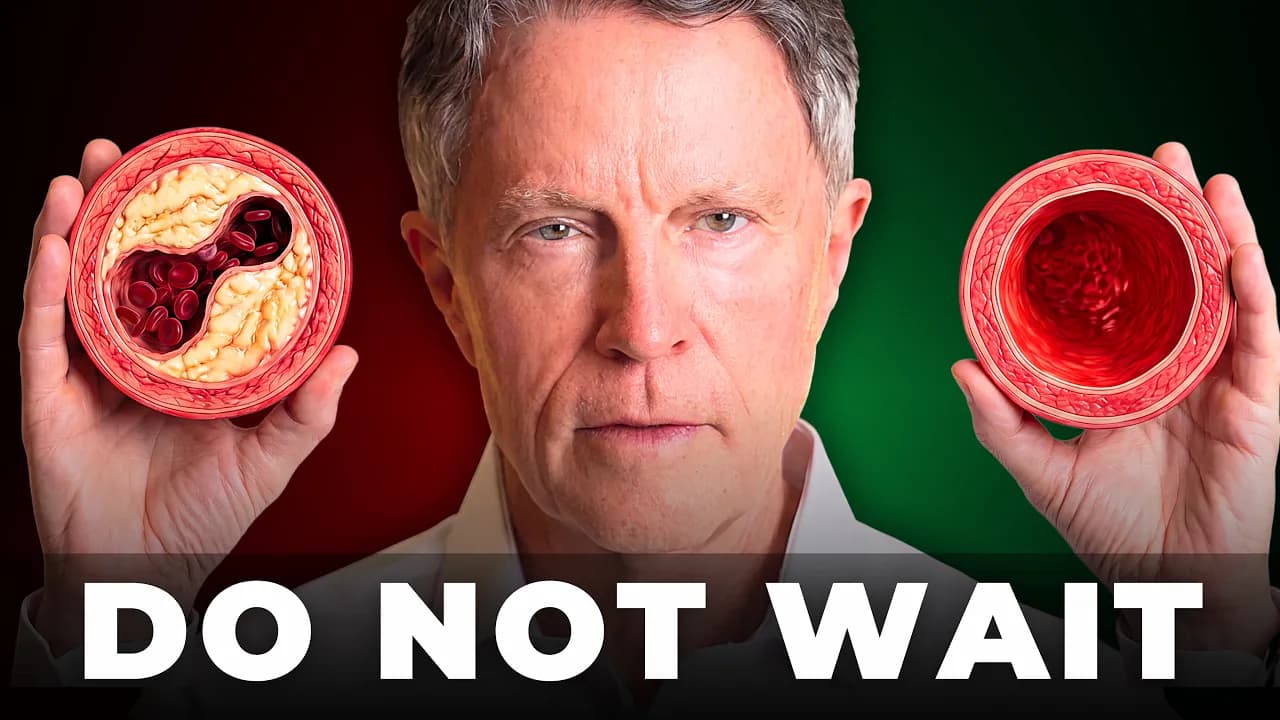
For people over 40, 50, or 60 who learn they have arterial plaque, the instinct to remove plaque is correct. Even small amounts of plaque reversal provide meaningful benefit. The typical medical response is prescribing a statin and increasing the dose if LDL remains high.
Lowering LDL numbers on a lab report does not equal healing the underlying artery. The damaging processes often continue while statin doses increase yearly. Plaque can be stabilized and reversed, and much of the reversal process does not require a prescription. Doctors are often trained to recommend weight loss, exercise, and carb reduction but frequently abandon lifestyle advice when patients do not comply, partly because insurance pays for prescriptions but not education.
Plaque reversal is possible, though uncommon or rare to document. Dramatic change is not required for benefit. Changing plaque consistency from soft to stable provides value. Research shows that a 1% reduction in plaque can lower heart attack risk by as much as 25%. Stabilizing plaque, especially soft inflamed plaque that risks rupture, can matter more than scan measurements.
Statins can produce plaque reversal at both low and high doses and can reduce inflammation feeding soft plaque. High-dose statins carry costs including muscle pain, brain fog, and increased diabetes risk for most users. The central question is how much statin therapy is actually needed and how much can be accomplished through other means before escalating to high doses.
The proper order begins with testing rather than guessing. Step two is dietary change: remove refined carbs and inflammatory foods that spike blood sugar and damage the arterial lining. Step three is exercise with added intensity, scaled to the individual (examples include progressing from brisk walking to hill sprints). Step four involves clearing roadblocks that keep blood sugar elevated. Step five focuses on adding healthy foods and supplementation. Lifestyle forms the foundation; medication is layered on top only when additional help is required.
Supplements mentioned include garlic extract, nattokinase (recent long-form video covered new research on this), vitamin D, and vitamin K2.
After implementing lifestyle changes, testing, exercise, and supplementation, some individuals may still benefit from medication. The statin is not the primary healing agent but additional support when lifestyle measures are already in place. Many people discover they need less medication than initially prescribed.
Dr. Jesus Vega joins as co-host. Early show technical difficulties included audio cutouts and camera recording issues.
Viewers are encouraged to join the channel for exclusive videos. The live format prioritizes caller questions over pre-planned content.
The best test depends on individual circumstances and stage of workup. For a 60-year-old with family history of heart attack who has not seen a doctor in 20 years, a CIMT (carotid intima-media thickness) scan is recommended first because it involves no radiation and directly detects plaque and vascular inflammation. After CIMT, deeper investigation into causes and consideration of aspirin or other medications follows.
Melissa called regarding her 68-year-old husband Dale. Key details: never had high blood pressure, lipids, VLDL, LDL, or triglycerides previously. He exercises and eats well. Recent discovery of high evening blood pressure (190/80-90) led to diagnosis of right adrenal gland misfiring, producing excess aldosterone. Surgical removal of the affected adrenal gland is planned. A CAC (coronary artery calcium) score of 530 was found. Cardiologist prescribed rosuvastatin; dosage discussed as 40 mg. They lack local access to CIMT and must travel out of state.
High CAC scores are increasingly common. Dr. Brewer reports recent patients with scores over 4,000 and previously documented cases over 3,000. The discussion was interrupted mid-sentence at the end of the transcript.
Keep Thomas Fordham Brewer MD MPH in your library
Save the videos and channels worth coming back to, and find them again in one place.