Stop Chasing Your Cholesterol Number And Look At Your Arteries!
In a Nutshell
Cholesterol numbers are just proxies—they cannot reveal the actual disease: plaque in artery walls. Three direct imaging tests (CIMT for early soft plaque, calcium-score CT for calcified plaque, and CT angiogram for full plaque mapping) are required to see what cholesterol misses. Metabolic drivers like insulin resistance, not LDL targets, are the root cause; guidelines pushing ever-lower LDL with drugs overlook this and fail to reduce events.
These notes were generated by AI and may contain inaccuracies.
After receiving cholesterol panel results that appear good—possibly due to statin medication or naturally low levels—most people assume their arteries are also healthy. This belief stems from the common assumption that if the cholesterol number is in range, the arteries must be in range too.
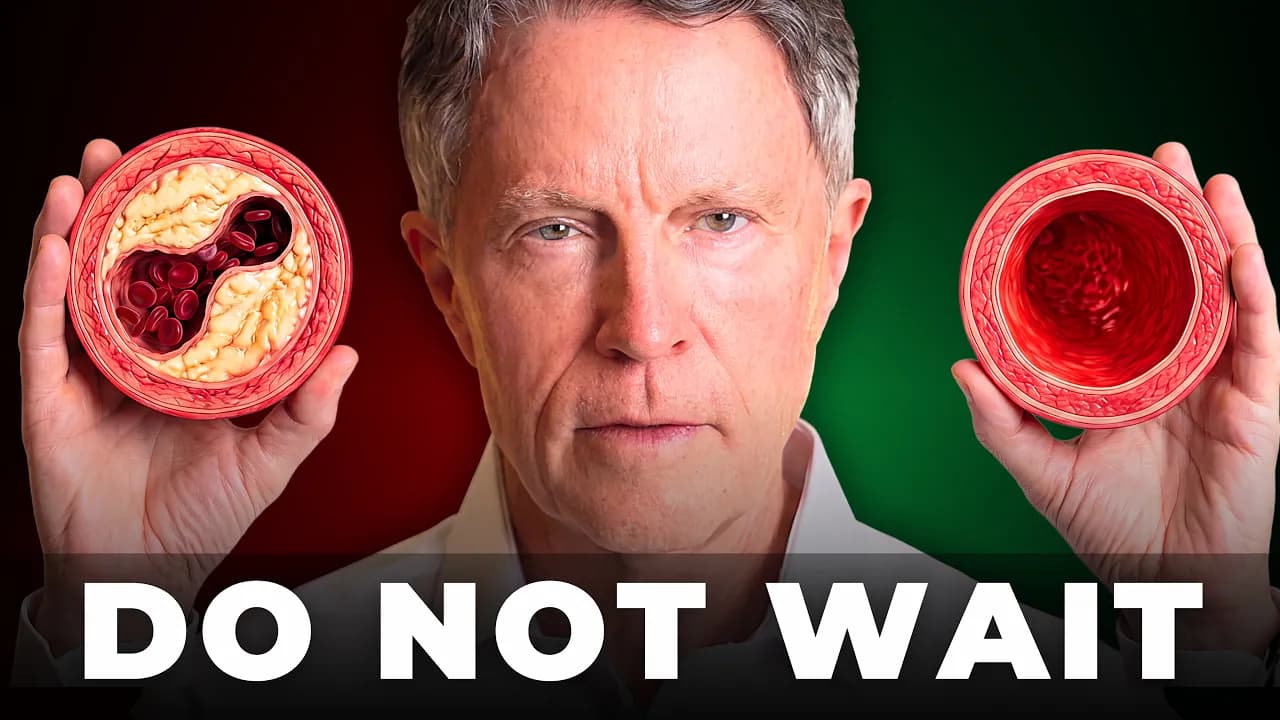
The cholesterol number is not the disease. The actual disease is plaque sitting in the wall of the artery, which the cholesterol number cannot detect. The goal is to show what the cholesterol number misses and how to look inside the artery to see the plaque itself.
Three different approaches exist for examining arteries for plaque, one of which doctors typically do not mention to patients.
Dr. Ford Brewer spent his career in preventive medicine, running the preventive medicine program at Johns Hopkins. He now helps people avoid heart attacks, strokes, and early death. The show focuses on teaching how to think about preventive medicine rather than providing medical advice.
The cholesterol number is a proxy or bioindicator—a measurement standing in for something else that it cannot directly see. When someone has a heart attack, the lab report number is not what stopped their heart. The plaque in the artery wall that cracked open, threw the clot, and shut down blood flow is the actual disease.
People with beautiful cholesterol numbers can already have plaque building in their artery walls, while people with high numbers can have clean arteries. The cholesterol number cannot determine which category someone falls into.
The first method is carotid ultrasound, called CIMT (Carotid Intima-Media Thickness). This measures the thickness of the artery wall in the neck where trouble tends to start. In experienced hands, it can catch early change and sometimes soft, young plaque before anything shows up deeper in the heart.
CIMT Limitations
- Relies on the skill of the person performing it
- Requires an experienced hand for accurate readings
- Difficult to find when done well
- Most insurance companies do not cover it
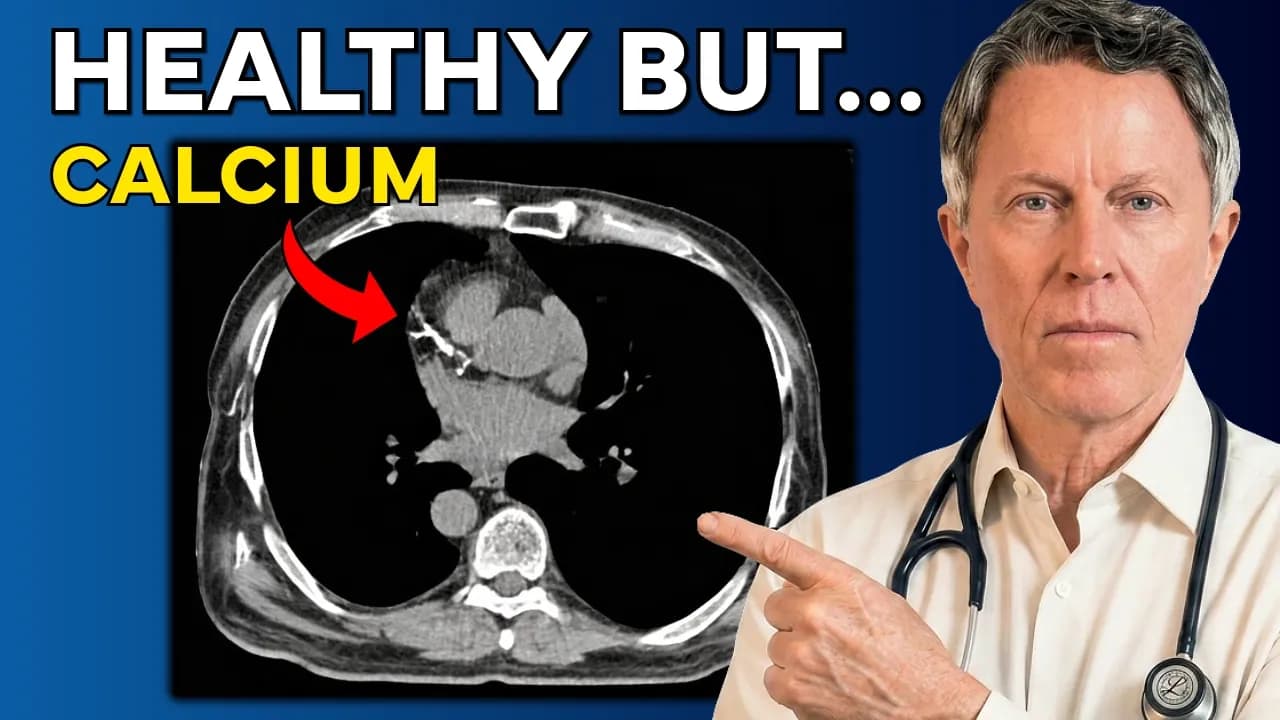
The second method is the calcium score, a quick CT scan of the heart timed to heartbeat rhythm. This measures calcified plaque—the old, hardened, stable kind. It is simple, widely available, inexpensive, and excellent for sorting out how much risk people can carry.
Calcium Score Limitations
- Only sees calcified plaque
- Cannot detect soft plaque building in arteries
- A zero calcium score does not guarantee clean arteries
- Research shows people can have heart attacks with zero calcium scores when plaque is entirely soft
The third method is the CT angiogram, the most complete of the three approaches. It uses dye in the vein to light up arteries on X-ray, MRI, or CT, showing both soft and calcified plaques plus arterial narrowing.
CT Angiogram Limitations
- Dye poses problems for people with kidney trouble or allergies
- Higher cost
- Cannot read inside existing stents due to blooming artifact
The three techniques serve different purposes rather than competing with each other:
- Neck ultrasound (CIMT): best for early change and early risk, inexpensive screening tool
- Calcium score: good screening tool but only detects hardened burden, requiring risk estimation from the number
- CT angiogram: provides the whole picture including both plaque types and narrowing
The real focus should be metabolic damage, insulin resistance, pre-diabetes, and diabetes—these are the upstream drivers long before symptoms appear. The cholesterol number sits downstream of metabolic issues, which explains why chasing the number alone can lead in the wrong direction.
Dr. Jesus Vega notes that patients are often told they will have heart attacks due to high cholesterol and need stress tests followed by stents, without discussion of actual plaque testing or lifestyle changes, which are more important than statin prescriptions for lowering LDL.
Three quarters of doctors cannot adequately assess pre-diabetes and metabolic disease, though this stems from time constraints rather than inability. Patients need to learn protective strategies themselves.
A viewer question addressed why the American Heart Association and American College of Cardiology 2026 guidelines still push doctors to get LDL-C below 55 mg/dL when lowering LDL-C with drugs does not affect cardiovascular events and major adverse cardiovascular events.
Recent papers acknowledge cardiovascular disease as a metabolic problem, yet guidelines continue focusing on LDL reduction.
Olivia called with concerns about taking a 5mg low-dose statin prescribed by her cardiologist. She has an elevated CAC score of 274, family history of heart disease, and is afraid to take the medication due to side effect concerns.
Olivia's Test Results
- Initial results: CAC score 274, cholesterol 202, triglycerides 103, LDL 132
- After lifestyle changes: cholesterol 166, triglycerides 74, LDL 115
- She sought care due to heart palpitations and family history
Keep Thomas Fordham Brewer MD MPH in your library
Save the videos and channels worth coming back to, and find them again in one place.