Do Animals Live More Freely Than Humans?
In a Nutshell
Animals enjoy freedom from human-made obligations, existential dread, and performance for approval, living entirely in the present without taxes, schedules, or self-consciousness. This freedom comes at the cost of being governed by biology, lacking protection from injury or social stress, and having no capacity to choose against instinct or build beyond survival. Humans traded this simpler state for the ability to resist impulses, create lasting works, and ask unanswerable questions—yet remain uniquely aware of their own constraints.
These notes were generated by AI and may contain inaccuracies.
A dog sleeping in the sun has no alarm, no scheduled obligations, no rent, no career worries, and does not replay past embarrassments. It simply finds a warm patch of sunlight and rests. Humans wake to alarms set by others, wear clothes dictated by unseen rules, and exchange most waking hours for numbers in a bank account to pay for shelter they do not own. A persistent background anxiety runs through this existence: whether one is doing enough, matters, or is falling behind in an unspoken race.
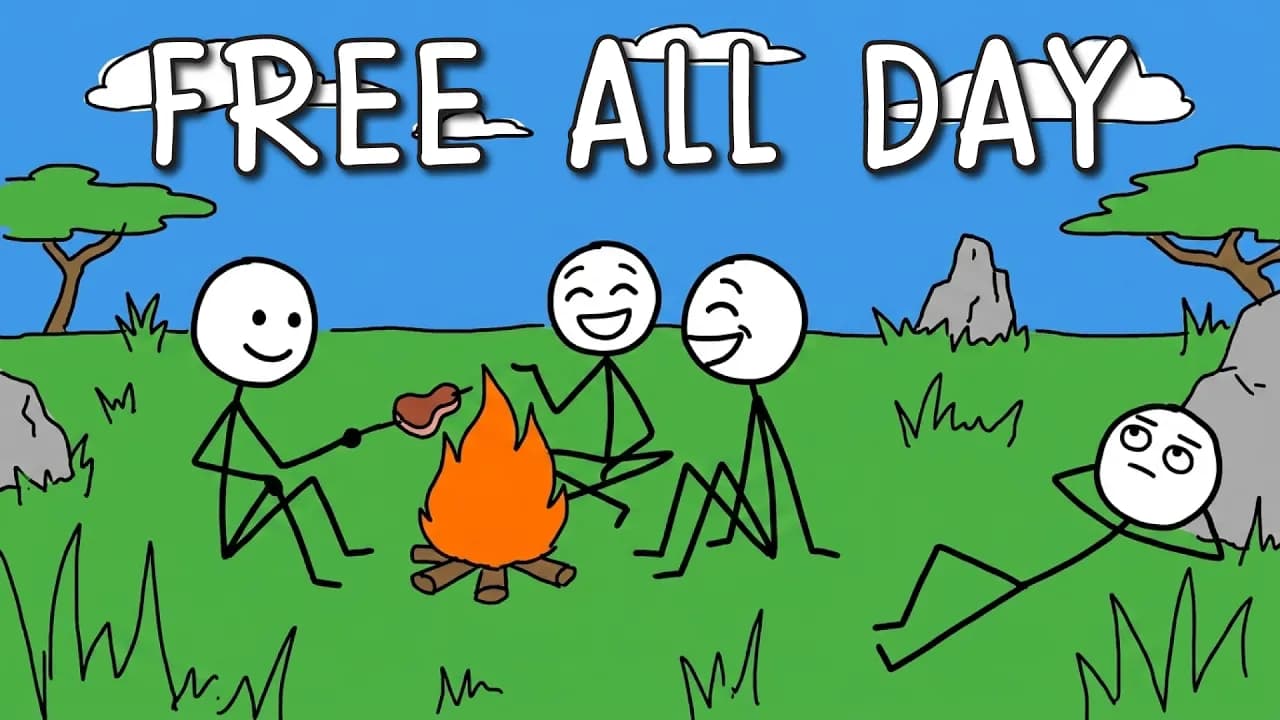
Animals do not file taxes, need permits, attend unnecessary meetings, or navigate laws, dress codes, social expectations, career ladders, or five-year plans. They live entirely in the present, eating when hungry, sleeping when tired, and moving when they want. No system extracts value from their labor or ties their worth to productivity.
Jean-Jacques Rousseau argued in his 1755 Discourse on Inequality that civilization itself created the problem. Before property, hierarchy, laws, and the need to perform for others' approval, humans lived in natural liberty: the freedom to live only by one's own needs, with no master, debt, or judgment. Agriculture, ownership, and government replaced this with civil liberty—the freedom to do what rules permit in exchange for protection. Animals never signed this contract and retained the original arrangement.
Humans cannot sleep when tired if the schedule forbids it, cannot eat when hungry without money, and cannot leave a bad situation without first securing a replacement, lest financial collapse follow. Every basic need—shelter, food, rest, connection—must be earned. Animals simply find food and shelter because these exist in the world; they owe nothing to anyone for the right to survive.
Jorge Luis Borges observed that, with the exception of mankind, all creatures are immortal because they know nothing of death. Animals respond to immediate danger with immediate fear that passes completely once the threat ends. They do not lie awake contemplating what comes after. Humans invented existential dread and are the only species that tortures itself with hypothetical futures and unanswerable questions. The dog in sunlight does not wonder what life means; the sunlight itself is enough.
Søren Kierkegaard described the moment a person becomes truly aware of existence as simultaneously bringing awe and dread. Animals appear to experience the awe without the dread, existing without self-consciousness about existing.
The freedom animals possess is not the version humans imagine. A wildebeest fleeing a lion does not choose to run; the fear response fires and the legs move because no alternative exists. The animal cannot opt out of vigilance or choose contemplation over survival. Its freedom from external rules comes at the cost of being completely governed by its own biology. Rousseau noted that animals must obey what nature commands through the senses. Humans feel the same impulses but can choose to go along with or resist them. This capacity to resist one's own nature is a form of freedom no animal possesses—the freedom to act against instinct, to forgive, to stay when instinct says run, or to choose a life that contradicts biological programming.
Robert Sapolsky's decades of research on baboons in the Serengeti revealed that wild animals experience chronic stress. Dominant individuals stress those below them, and lower-ranking animals show elevated cortisol and measurable physiological damage tied to social hierarchy. Status and rank produce grinding effects visible in blood work even without taxes or mortgages. Social anxiety predates human civilization.
Wild animals have no hospital or painkillers. When something goes wrong, it goes wrong completely and alone, with nothing to soften the impact. Freedom from civilization's rules also means freedom from the protections civilization created against dying from injury in the open.
Humans remove freedom from animals through zoos framed as conservation. Creatures evolved to roam, hunt, and migrate across continents are placed in concrete enclosures. Peer-reviewed research documents zoochosis in captive animals: repetitive, compulsive, functionless behaviors such as polar bears pacing fixed paths for hours, elephants swaying ceaselessly, and primates pulling out their own fur. These represent psychological breakdowns caused by confinement.
Approximately 80 billion land animals are killed for food every year. Factory farming confines animals from birth to slaughter within systems designed solely for human convenience, preventing them from ever experiencing species-typical freedom.
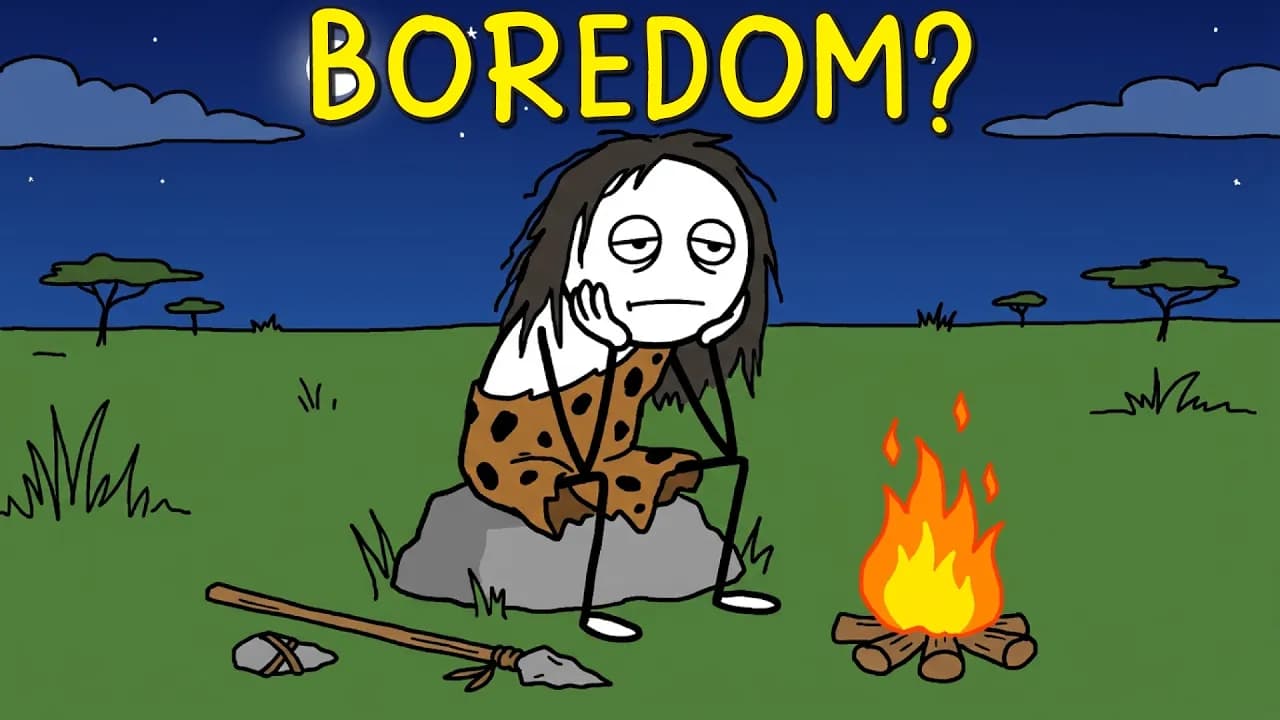
Animals possess freedom from obligation, dread, and the performance of existence for others' approval. Humans possess freedom to resist what they feel, choose against their nature, build things that outlast them, and ask questions serving no survival purpose. The animal is free the way a river is free—it follows the landscape without resistance or choice. This freedom is real but not chosen. Rousseau correctly identified a genuine cost of civilization, yet it remains unclear whether what was lost was freedom itself or merely the comfort of not recognizing constraint. The dog in sunlight is not choosing peace; peace is its only available state because the option of dread does not exist for it. It cannot decide its life is heading in the wrong direction, want something different, or change. The envy felt when watching such an animal is the weight of being the only species that knows it is in a cage, even when the cage is invisible. The animal does not know it is free, and that may be the central point.
Keep Axen in your library
Save the videos and channels worth coming back to, and find them again in one place.