How to Instantly Improve Circulation and Blood Flow
In a Nutshell
Poor leg circulation signals serious risks like PAD (cramping pain when walking), CVI (evening heaviness/swelling), or DVT (sudden swelling/pain—seek emergency ultrasound). Immediately improve blood flow with calf pumps/toe raises (90-100x daily), walking to pain tolerance (builds collateral arteries), leg elevation above heart, and fitted compression stockings; add horse chestnut (100-150mg/day) for veins or citrulline (3-6g 2x/day) for PAD. Prioritize movement as the core fix—it's the "second heart"—while addressing root causes like metabolic disease; watch upcoming "Dr. Brewer's House Calls" series for real-home interventions.
These notes were generated by AI and may contain inaccuracies.
If your legs feel heavy at the end of the day, if they swell, if you find yourself rubbing your calves, you might be dealing with a blood flow issue. Poor circulation in the legs can lead to ulcers, ongoing pain, and in more serious cases, blood clots that travel to the lungs or brain, even strokes or heart attacks. These can be an early warning sign. Poor circulation in your legs is often a clear warning sign of clogged arteries in other places in the body, like your heart or brain. Today we're covering the most effective strategies to improve circulation right now to reduce pain and lower your risk of heart attack and stroke. We'll go through all of it in about 25 minutes. After that, there's a new project to share, something you haven't seen before. At the end, there's a Q&A.
Blood flow is like a two-way country road. One way out from the heart through the arteries bringing oxygen and fuel. The other is the return trip through the veins back to the heart and the lungs carrying away waste and getting loaded up again. It's a beautiful system when working right. The legs, being the farthest point from the heart, tend to show trouble first. Understanding this flow explains why your legs might feel off even before a diagnosis.
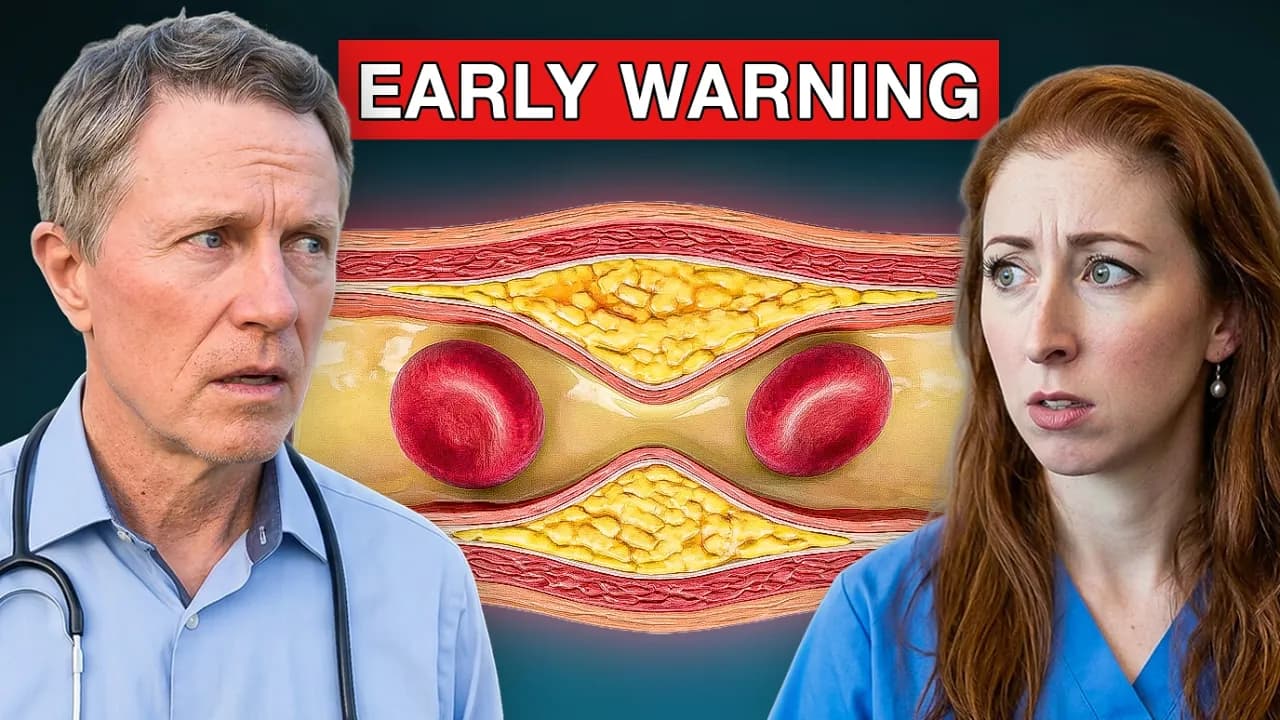
You've got two types of highways in your legs: arteries and veins. Arteries carry blood away from the heart, high pressure, fast moving, full of oxygen, feeding muscles and nerves. When arteries narrow from plaque building up over time, you'll feel it when you move. Calves cramp up when walking because muscles aren't getting enough oxygen. That's claudication: pain in your legs when walking that eases when you rest but returns predictably. That's a classic early sign of peripheral artery disease (PAD). If progressing, it can lead to ulcers on the skin, poor healing, and in rare cases, amputation.
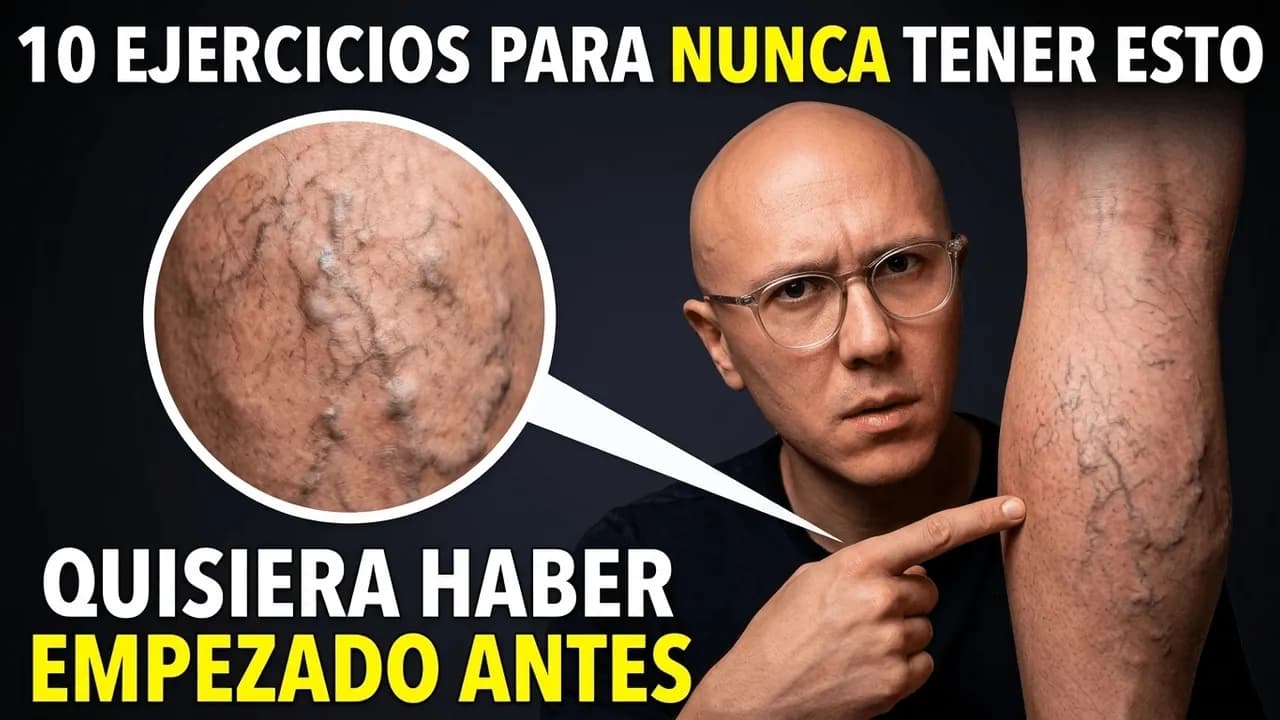
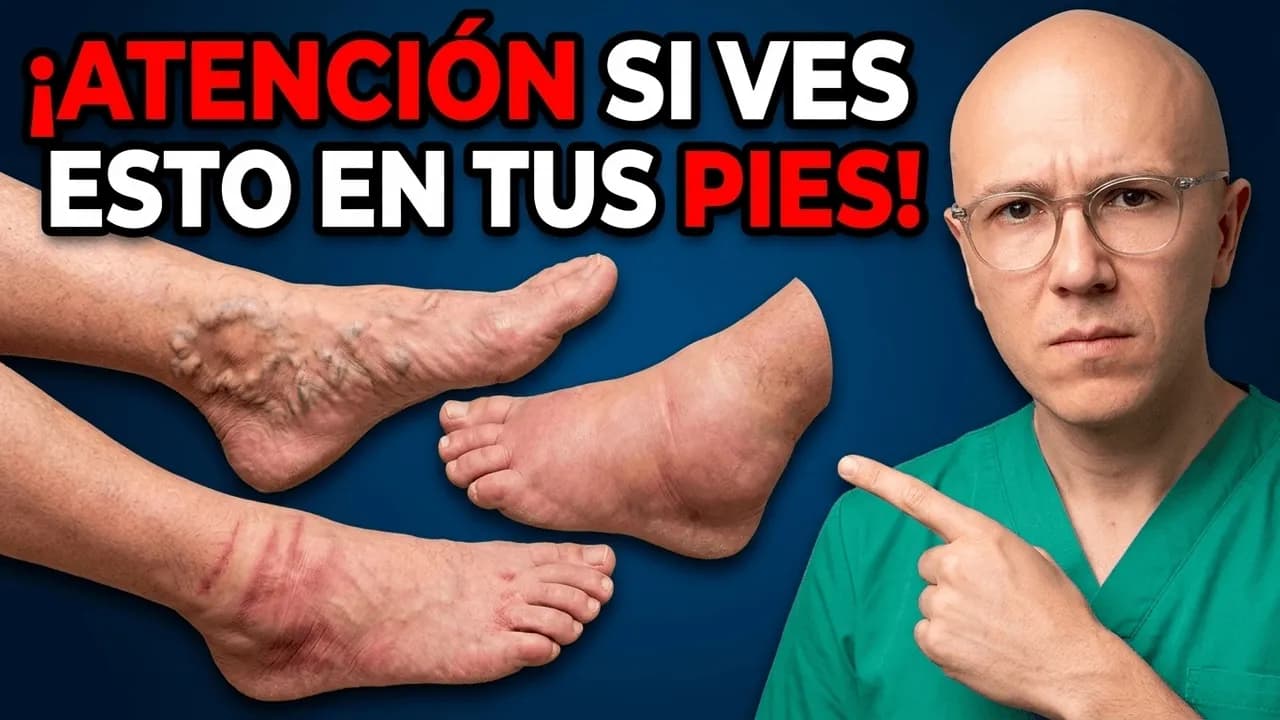
Veins bring blood back to the heart, low pressure, slow moving, full of waste and carbon dioxide. They work against gravity in the legs and rely on small one-way valves. When valves weaken or fail, blood pools in the legs. That's chronic venous insufficiency (CVI). Symptoms: heaviness, swelling around the ankles, aching by the end of the day, varicose veins. If ongoing, skin can darken, irritate, break down into ulcers.
Arteries and veins cause different problems needing different solutions. Legs hurt when moving: arteries. Hurt when sitting or standing still: veins.
Chronic Venous Insufficiency (CVI)
Slow and steady. Vein valves in legs wear out over time, blood can't return well, pools and stretches veins, especially ankles. Symptoms: heaviness, swelling by end of day, itching, pressure. Not a blood clot, not an emergency. Builds over months or years, can be managed.
Deep Vein Thrombosis (DVT)
Emergency. Clot in deep veins of legs, often after long travel like airplanes (legs kinked up), illness, surgery, or no reason. Sudden: leg swells, tender, warm, red. Clot can break off and go to lungs (pulmonary embolism), often fatal. If one leg swells suddenly and hurts differently, seek immediate medical treatment.
Peripheral Artery Disease (PAD)
Affects arteries narrowing from plaque, limiting oxygen-rich blood to legs. Muscles suffer during activity like walking: cramping or tightness in calves (claudication). Often ignored as aging. Progresses slowly. PAD indicates similar plaque in heart or brain. Control blood pressure, cholesterol, inflammation for cardiovascular health.
CVI, DVT, PAD involve legs but act and respond differently.
- Sudden swelling and pain: likely DVT, needs sudden evaluation.
- Heaviness and puffiness at ankles: CVI.
- Pain with walking that improves with rest: classic PAD.
- Ulcers or pain at rest: advanced PAD.
Don't wait if something feels wrong: get evaluated.
For any of the three (if not clot or critical restriction), movement, especially calf muscles. Calves are the body's natural pump outside the heart, the second heart. They push venous blood up and stimulate more arterial blood to legs.
- Ankle pumps: Sitting or lying, point toes away, pull back slowly 10-20 times. Do toe raises: 90-100 per leg daily. Great for vein issues, squeezes blood back to heart.
Not strong enough for PAD.
Toe Raises
Hold chair, guardrail, countertop. Rock forward onto toes, back to heels. Stronger calf squeeze, full range of motion. Harder/more effective on stair, letting heels drop below. Helps both veins and arteries, but not full replacement for walking in PAD.
Walking
Start in house, walking in place 3-5 minutes. Powerful for recuperation post-surgery or artery/vein issues. Gets heart going, legs moving, arteries open for oxygen, calves pumping. Walk in place while brushing teeth or waiting for microwave. Surgeons now recommend walking same day post-surgery if possible.
Useful if legs swell by evening. Lie back, prop feet higher than heart (couch arm, pillows). Gravity pulls blood back to pelvis/trunk. Improves symptoms: vein issue. Worsens or feet cold: artery problem (not enough blood down).
Compression stockings: Best tool. Squeeze firmer at ankle, looser up, helps blood move up against gravity, assists calves. Must be properly fitted. Many fail from wrong size off-shelf. If legs swell/heavy by mid-afternoon, get fitted, wear daily especially if on feet a lot.
Supplements for Veins
Horse chestnut extract (escin compound): 100-150 mg/day. Reduces swelling, improves vein tone, relieves heavy legs. Micronized flavonoids (diosmin, hesperidin from citrus peels): Strengthen vein walls, reduce inflammation. Do not replace movement/compression. Lifestyle first. Talk to provider if on medications.
If possible clot (swollen, tight, warm, achy leg): Don't fix yourself, don't stretch/rub, no internet supplements (e.g., nattokinase not for this). Get leg ultrasound: noninvasive, no radiation, 30 minutes, detects clot/location.
Treatment: blood thinners (anticoagulants), usually pill 1-2x/day. Once stable on treatment, movement is part of recovery. Graduated compression stockings (fitted): reduce symptoms, prevent postthrombotic syndrome (persistent swelling, discoloration, pain from valve damage). Act quickly for full recovery.
DVT can be subtle: dull ache, little swelling. Listen to body; changes fast = check.
Movement critical. Walk to edge of pain (muscle pain, not joint): until hurts a bit, rest, repeat. 30+ minutes daily. Trains muscles to use oxygen efficiently, builds collateral circulation (new pathways around blockages, like detours around highway wreck).
Alternative: recumbent bike.
Supervised exercise therapy (SET): Gold standard. Structured treadmill walking under supervision, track symptoms, rest, repeat. Medicare covers in many cases. Add incline over time.
Home walking programs: Effective if consistent, guided by app/coach. Daily after breakfast, grocery laps, phone pacing. 94-year-old family member paces kitchen/dining figure-eight track.
Supplements for PAD
Citrulline: 3-6 grams twice daily. Boosts nitric oxide, dilates arteries, improves walking distance. Check vitamin B12 and vitamin D deficiencies (common in older adults, worsen circulation). Supplements supplemental; prioritize movement, fix root causes like metabolic disease.
Most get short visits, limited testing, quick prescriptions. Need full evaluation of environment driving condition. Started traveling to patients' homes for real conversations, testing, lifestyle assessment.
New series: Dr. Brewer's House Calls. Shows chronic problems developing, turning around in real homes. First episode: Texas patient with serious mobility issues. Premieres YouTube December 13 (coming Saturday). Trailer shown.
Trailer quotes:
8% of US adults have vascular disease. It's the number one cause of heart attack.
In this series, I'm traveling all over the country to help people cure their chronic disease.
He has definitely told me, "Yeah, I don't want to live anymore. The pain is too much." We have to get him walking.
We like to go camping and she loves to go for walks and I can't walk very far.
Haron's got over 50 years worth of the worst thing you can do to your arteries. Smoking.
I don't really want to scare Harlon and Linda, but I really struggled trying to find the pulse.
Cataract surgery a couple hours ago. Vision dramatically better. Strong case to do before it gets bad. Prevention.
All right. So, let's go to Q&A. I have two items before we do that.
Plan to show video on Saturday at 11:00 a.m. Eastern. Dr. Brewer and host will stay after to answer questions. Link in video description for becoming a candidate for the show. Open to anyone in the US. Dr. Brewer is licensed in all 50 states, likely the only preventive medicine doctor with that license. Currently free, no charge for patients who open their home and life to the show.
Shout out to Mr. Nightar and Sean Howa for becoming members. Membership is $5-10/month in November. Members get questions answered first and access to over 60 exclusive videos, with one new video monthly answering questions or discussing less popular topics. Non-members still get tons of free content via subscription. Around 800 members, which significantly contributes to the budget. Large team including three in-house editors, external editors, thumbnail creators, counseling staff, practice staff, health coaches, admin—couple dozen people total. Dr. Brewer funds much of it personally to help people.
PA (Peripheral Artery disease) manifests with pain on walking that rests away. CVI (Chronic Venous Insufficiency) shows varicose veins. Neurologic issues involve loss of strength, muscle loss (more evident), issues moving toes. Most susceptible arteries for problems are microscopic ones supplying nerves, causing nerve damage from poor blood supply, oxygen deprivation, waste buildup—'canary in a coal mine' warning. Number one cause of leg nerve damage: diabetes, metabolic disease, insulin resistance damaging nerves and feeding vessels. Number one cause of claudication and PA is also the top cause of nerve damage.
Walk-through angina: Predictable angina on starting walk that resolves with continued walking due to artery expansion. Exercise helps with heart failure, angina, blood flow issues. Watch for crescendo angina—change in character, worsening, occurring earlier—needs evaluation. Differentiate from heart attack symptoms: cold sweating, pain to jaw/arm/back, dizziness, fainting. Do not exercise through unevaluated chest pain. Rule out heart attack first, assess plaque type and risk, then titrate exercise. > 'No pain no gain' applies only after diagnosis and workup confirming stable angina.
Interval Walking
Interval walking (e.g., 3 min fast/3 min slow for 30 min, or 1 min on/1 min off) originated in Japan. Increases intensity in bursts, builds collateral circulation for PAD, strengthens calves to push venous blood to heart. Movement is medicine; no pill substitute.
Tadalafil (PDE5 phosphodiesterase inhibitor) increases nitric oxide in prostate for prostate health. Not the same as citicoline.
Heterogeneous (mixed, stable) plaque in carotid bulb ('bulb' = carotid artery midpoint). Concern: dislodgement to brain (stroke risk 0.5-1%). Dr. Brewer's experience: Discovered own small heterogeneous plaque at age 57 via scan at event with Vasa Labs and Cardiorisk. Felt fear running 2-3 hour route near Keeneland Racetrack in Lexington horse country (prettiest half marathon). Evidence shows exercise, including HIIT, stairs, pushing boundaries decreases heart attack risk, does not increase it. Researcher Honda studied plaque patients via CIMT (carotid intima-media thickness): Soft plaque group continued events/strokes; heterogeneous/echogenic (stable) plaque group had no events after initial break-in period—risk same as no plaque. Falling off lifestyle wagon risks plaque softening. Evaluate first (e.g., CTA with AI analysis) before HIIT. Avoid if unstable/crescendo angina. Dr. Brewer got reassuring CTA showing minimal unstable plaque.
New form in video description for candidates (previous volunteers check spam for email). Host contacts personally via email/phone. Phone: 859-721-1414, but fill form first for control. High volume of volunteers. Goal: Help, not expose or script gotchas—identify issues, provide actionable improvements, inspire hope.
Dentistry causing pressure on piriformis muscle results in sciatica-like pain. Get evaluated by physical therapist for exercises/therapies to reduce inflammation. Piriformis proximity to sciatic nerve causes compression.
Saturday premiere links on Facebook, community posts, pinned comment. Tune in YouTube 11:00 a.m. Eastern. > 'Growing old is not for sissies, but it's a lot easier with healthy arteries.'
Keep Thomas Fordham Brewer MD MPH in your library
Save the videos and channels worth coming back to, and find them again in one place.