How to Use Statins to Reverse Arterial Plaque
In a Nutshell
Statins can reverse arterial plaque when combined with proper testing first—high-dose atorvastatin alone reduced plaque 14%, while rosuvastatin plus ezetimibe achieved 21% reduction over 18 months, with non-calcified (dangerous soft) plaques shrinking in 75-98% of participants. Calcium scores paradoxically rise as soft plaques stabilize into hard plaques, meaning increasing calcium indicates treatment is working, not failing. The critical protocol requires testing for existing plaques first, identifying root causes like insulin resistance and inflammation, then using low-dose statins (2.5-5mg rosuvastatin 2-3x weekly) plus ezetimibe rather than relying on cholesterol numbers alone.
These notes were generated by AI and may contain inaccuracies.
If a doctor prescribes a statin solely because of elevated bad cholesterol without examining the arteries first, this is the standard community medical practice. Two new trials published last month demonstrated that statins reverse plaque buildup, with high doses combined with ezetimibe reversing even more plaque. However, every patient in these trials underwent artery testing before starting medication, unlike the typical approach based solely on cholesterol numbers.
The distinction is between actively using statins versus simply taking them. The program will present what the plaque experiments demonstrated, including the actual changes observed in plaques and the number that increased when expected to decrease. The discussion covers what statins actually do inside the artery wall, and the method used with patients and personally.
Dr. Ford Brewer has a background in preventive medicine, previously running a preventive medicine training program for physicians at Johns Hopkins. The program focuses on avoiding heart attacks, strokes, and premature death. The content teaches thinking about these issues rather than providing personal medical consultations.
The Danish experiment, called "Flo Promote," involved 104 people who had never taken statins before, all with actual plaques or blockages reducing blood flow in more than 50% of cases as shown on CT scans. Half received medium to high dose atorvastatin (Lipitor), while the other half received high dose rosuvastatin 40 combined with ezetimibe.
After 18 months with CT scans performed at baseline, 9 months, and 18 months, total plaque decreased by 14% with atorvastatin alone and 21% with the combined treatment. Non-calcified plaques, the soft and dangerous type, shrank in 39 out of 51 participants taking atorvastatin and in 51 out of 52 participants receiving combination therapy.
In both groups, calcium levels increased throughout the 18 months. This increase occurs because soft plaques transform into hard plaques, which is actually a positive development. The calcium score alone would suggest worsening condition, but the soft, dangerous plaques were stabilizing.
The CAUGHT-CAD experiment from Australia demonstrated the same phenomenon in asymptomatic people. Atorvastatin 40 did not change the amount of calcium but altered the degree of plaque rigidity, making plaques more stable. An increase in calcium score after starting statins likely indicates the medication is working rather than failing.
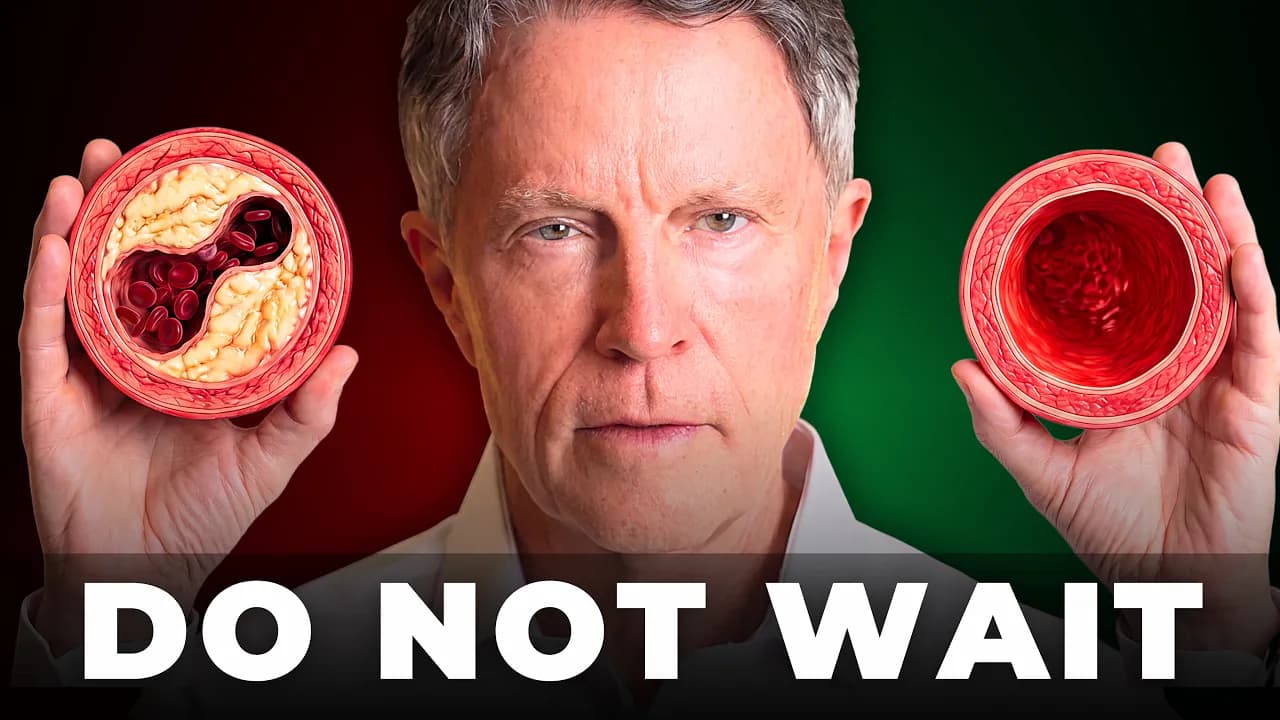
Plaque exists inside the artery wall behind the lining, not as a blockage inside the tube. When soft, hot, and inflamed, it resembles mucus filled with inflammatory cells and is unstable. This type of plaque can crack, leading to clot formation that causes heart attacks and strokes. The relationship is: crack leads to clot, which leads to heart attack.
The experiments focused on LDL cholesterol, but inflammation markers were not measured. In more than 30,000 statin patients, elevated LDL cholesterol did not correlate with increased risk, while high inflammation markers tripled the risk of dying from heart disease. Statins work through two mechanisms: lowering LDL and calming inflammation in the artery wall.
The inflammation originates from root causes, not LDL. Insulin resistance is often not recorded in medical records, with only a 5% chance of diagnosis, treatment, and documentation for diabetes or prediabetes patients. Plaque formation was not caused by statin deficiency, as people developed plaques before ever taking statins.
The correct approach requires finding plaques first through testing, which most doctors skip. Testing methods include carotid intima-media thickness measurement, calcium scoring, coronary CT angiography with AI analysis, and plaque analysis. No plaques combined with good metabolism means no need for statins.
Root cause identification requires inflammatory marker panels including MPO, LP-PLA2, C-reactive protein, and microalbumin/creatinine ratio. A glucose tolerance test with insulin measurement is essential, as fasting numbers and A1C miss more than they reveal.
The experiments used 40mg full doses, which increase diabetes risk by two additional cases per thousand people per year. In clinical practice, low-dose rosuvastatin at 2.5 to 5mg is recommended, taken two or three times weekly for a total of 5 to 15mg per week compared to 280mg weekly at full dose.
Combining 2.5mg rosuvastatin with ezetimibe reduces LDL cholesterol by approximately 46% while leaving blood sugar unaffected. A large Korean trial found moderate-dose statins with ezetimibe equivalent to high-dose statins for preventing heart attacks and strokes over three years, with fewer people stopping treatment due to side effects.
Personal experience with plaque reversal occurred using low-dose rosuvastatin without moderate to high doses. Additional medications included aspirin initially, later switched to Xarelto (rivaroxaban) due to atrial fibrillation. Statins represent the smallest component of plaque reversal, with the majority achieved through carbohydrate reduction, walking, running, weight lifting, sleep optimization, and addressing glucose problems not detected by fasting numbers.
For patients already taking 40mg statins while following lifestyle recommendations, dosage reconsideration is advised through discussion with the prescribing physician or finding one familiar with these concepts.
The combination of ezetimibe with low-dose rosuvastatin aligns with recent research emphasizing deposit assessment rather than relying solely on LDL cholesterol numbers.
Thomas, age 64, shared his medical history beginning with prediabetes diagnosis in 1998, initially treated with metformin then switched to berberine. In 2020, he experienced chest and left arm burning initially attributed to gastroesophageal reflux. A 2023 preventive CT scan showed approximately 30% deposits.
During winter 2023-2024, he experienced severe fatigue after snow removal, followed by symptoms during travel to Key Largo, Florida. Initial symptoms included burning sensations during physical activity, initially attributed to heartburn. During a diving trip, he experienced severe burning requiring return to shore.
Emergency evaluation revealed an acute heart attack with 99% blockage in the left anterior descending artery ("widowmaker"). He received successful stent placement after airlift to Miami Baptist Hospital.
Following stent placement, Thomas switched from atorvastatin to 10mg rosuvastatin with good lipid results, though triglycerides remain slightly elevated. He continues Plavix therapy with fish oil supplementation causing nosebleeds. Stress testing showed excellent performance at 9.5 minutes, with ejection fraction around 50%. Current chest pain at rest is being treated with Ranexa, with consideration of switching from metoprolol to carvedilol due to potential vasospasm concerns.
The question concerns whether CT scanning would be appropriate for monitoring other arteries showing 30-50% blockages, given concerns about stent-related imaging accuracy and availability of advanced testing in central New York.
Denial represents a significant danger when experiencing chest pain or symptoms resembling a heart attack. Exercise does not cause heart attacks, but denial does. Individuals experiencing symptoms should not take them lightly or fall into the trap of denial.
Computed tomography (CTA) scans remain viable even with stents present. The metal in stents causes a phenomenon called "blooming," which prevents visualization inside the stent or the immediate surrounding artery. However, the rest of the arteries remain visible, allowing assessment of plaque quantity and malleability. The stent does not prevent evaluation of other arteries.
When CTA scans are unavailable or problematic, a carotid intima-media thickness (CIMT) scan serves as an alternative option. CIMT has been used for decades to assess arterial health. Photon counting CT represents an advanced technique that eliminates glow-related issues and enables better visualization inside coronary arteries. AI analysis should be considered, especially when examining coronary arteries.
A patient reported fluctuating insulin levels ranging from 100 high to 200 low following open heart surgery (OHS) with two valves replaced. High insulin numbers warrant attention regardless of challenge context. The seven-step protocol provides a framework for managing insulin levels and metabolic health.
Repatha (PCSK9 inhibitor) combined with ezetimibe represents a very good combination for lowering LDL cholesterol. Four different drug classes can lower LDL cholesterol: statins, PCSK9 inhibitors (Repatha), bempedoic acid, and ezetimibe. Ezetimibe alone does not reduce vascular inflammation, unlike the other three classes. Statins reduce inflammation, as do PCSK9 inhibitors and bempedoic acid.
A 40-50% blockage in the widowmaker artery was reported. Blockages exceeding 50% often trigger concern about complete artery blockage causing heart attack. However, most heart attacks occur in blood vessels with less than 50% blockage because younger fatty plaques are more prone to rupture. Heart attacks result from soft plaque rupture leading to clot formation, not from gradual plaque buildup blocking arteries like a plumbing problem.
Two recent trials discussed include the COD CAD trial and the FlowPromo study. Patients already following lifestyle interventions (low-carbohydrate diet, exercise, sleep regulation, stress management) seek additional 10-15% risk reduction through supplements and medications.
Following a heart attack with deposits found in the carotid artery, a cardiologist recommended cardiac catheterization. When doctors become angry with patients for wanting to understand risks, benefits, and treatment options, seeking a new doctor becomes advisable. Empowerment medicine enables patients to access information and participate in decisions rather than having doctors simply state "I'm the expert, just do what I tell you."
No brace, approved surgery, statin, drug, or supplement has as much positive impact on health outcomes as healthy behavior and lifestyle. The catheterization lab carries financial incentives for procedures, and many procedures result in stent placement. While stents themselves are relatively harmless, the danger lies in neglecting lifestyle changes by assuming "the doctor fixed my tubes, so I'm fine."
The Heart Reveal panel tests for multiple inflammation markers beyond standard CRP (C-reactive protein), which can react to sore throats or minor injuries. Additional markers include:
- LP-PLA2 (Plaque2), an enzyme secreted by macrophages
- An enzyme released by neutrophils
- Albumin-to-creatinine ratio
- Fibrinogen
- Ferritin
- Isoprostane-to-creatinine ratio
- ADMA, ADSMA, and SDMA
The triglyceride-to-HDL ratio, while not necessarily inflammatory, associates with metabolic disease.
A 63-year-old patient with a calcium score of 910 has taken statins for 25 years, recently switched from simvastatin to Crestor 40mg. Despite excellent stress test results, ECG, blood pressure, and heart rate of 56 bpm with regular exercise, body composition indicates excess fat. The patient plays tennis, uses a Peloton bike, weightlifts, previously played college football and basketball, and completed a marathon.
Step 1: Check, don't guess - No oral glucose tolerance test, insulin response test, insulin scan, continuous glucose monitoring (CGM), or fractional lipid analysis has been performed. Poor metabolic health represents the most overlooked risk factor.
Step 2: Cut harmful carbohydrates - Assume metabolic health problems exist and eliminate carbohydrates that raise blood sugar.
Step 3: Add intensity to exercise - Current activities represent "second range" exercise. Structured, reliable intensity approaches needed for both resistance training and aerobic activity.
Step 4: Deal with obstacles - Address sleep problems using basic sleep rules and manage stress to prevent internal cortisol release.
Start with 5000 IU of vitamin D, then test to achieve levels between 50-90, preferably 50-70. Assume magnesium deficiency and supplement with two types: magnesium threonate and magnesium glycinate.
AI systems may incorrectly suggest magnesium reduces statin effectiveness by 50%. General AI systems (Grok, Gemini, Claude, ChatGPT) represent "yellow water" - mathematical equation machines trained on current online information rather than specialized medical knowledge.
Internet-based AI systems like Grok or ChatGPT primarily deliver conventional medical content that starts with LDL cholesterol discussions rather than addressing metabolic disease detection. These systems fail to identify missed opportunities for detecting metabolic diseases and instead focus on standard recommendations like lowering LDL levels. Dr. Brewer's artificial intelligence operates differently by providing alternative perspectives based on the same sophisticated linguistic models but delivering completely different information.
A caller with a calcium score of 910 expressed frustration about receiving a high-risk heart attack message despite taking statins for 25 years. The patient reports doing everything medically recommended yet experiencing enormous calcium buildup, leading to questions about alternative approaches. The patient recently started GLP medication and appreciates information that challenges outdated medical system technologies.
GLP medications like Ozempic and Mounjaro have experienced fluctuating medical opinions, initially considered breakthrough innovations, then criticized for side effects, and now recognized again for their benefits. These medications help reduce vascular inflammation, making them particularly useful for patients with obesity problems.
Standard AI systems incorrectly assume that high calcium scores automatically indicate great cardiovascular risk. Dr. Brewer's artificial intelligence takes a different approach by first determining the current condition of plaques and the amount of soft plaque present. Many people with high calcium levels have zero or very little soft plaque because they have been managing their condition appropriately.
Dr. Brewer's system provides a free oral glucose tolerance test that can be performed at home, with office staff contacting participants. This represents one of the first recommended steps to determine if someone has metabolic disease by understanding how their body reacts to blood sugar.
More than 50% of people are deficient in magnesium, making supplementation advisable regardless of statin use. There is no evidence that statins lower magnesium levels, but the deficiency rate in the general population supports routine supplementation.
A patient reports taking ezetimibe 10mg along with Glucose Manager supplement containing berberine, magnesium glycinate, D3, K2, and B1, while following a semi-animal diet with avocado and extra virgin olive oil. Glucose Manager is specifically designed to reduce metabolic diseases and contains berberine, alpha-lipoic acid, vanadium, chromium, and fenugreek seed extract to improve berberine absorption and potency.
Supplements rank at the bottom of recommended interventions, with most effective approaches being nearly free. Everyone needs to eat, so choosing the right foods falls within any budget. Exercise, particularly resistance training, represents another essentially free intervention that should be prioritized before considering supplements.
A patient reports conflicting scan results: 12 years ago, coronary CTA showed 20-30% deposits with zero calcium score, while a recent CIMT scan showed zero deposits but 30-43% sedimentation. If deposits exist in one arterial location such as heart, thigh, or legs, there is a 98% chance of finding deposits elsewhere, including carotid arteries. This means approximately 1 in 50 people may have deposits in one area but not another.
CTA scans, especially with artificial intelligence analysis, represent the best available test for heart assessment. People with normal CIMT scans and large soft deposits have not been observed, making CTA the preferred diagnostic approach when specifically checking heart health.
The question of whether people with arterial deposits should limit saturated fats remains debated, with concerns that excessive saturated fat negatively affects insulin resistance. Evidence suggesting saturated fats are problematic fails to separate accompanying dietary habits, as people consuming saturated fats typically also consume grains and high-glycemic carbohydrates.
Investigative journalist Nina Teicholz wrote "The Big Fat Surprise," questioning whether fats are as harmful as traditionally assumed. This initiated broader questioning of fat-related health assumptions. Two meta-analyses published in the Journal of the American College of Cardiology confirmed that saturated fats do not cause harm when separated from high-carbohydrate dietary patterns.
Saturated fats are not considered harmful, though they may not be as beneficial as olive oil or avocado oil. This position contradicts conventional medical advice that many find controversial, but evidence from meat-based diets shows people maintaining excellent health despite high fat consumption when carbohydrates are eliminated.
Fasting glucose levels between 85-95 may not decrease further even with optimal lifestyle choices due to the dawn effect affecting 10-20% of people. The dawn effect involves cortisol surges between 4-7 AM that trigger gluconeogenesis, converting glycogen to glucose. This effect is particularly noticeable in people adapted to burning fat, and eating eggs (zero carbohydrates) often reduces early morning glucose levels in affected individuals.
Maintaining healthy arteries significantly improves quality of life during aging. A 69-year-old individual appears approximately 55 years old, demonstrating that cardiovascular health preservation can substantially impact apparent age and overall wellbeing.
Keep Dr. Ford Brewer MD MPH in your library
Save the videos and channels worth coming back to, and find them again in one place.