LAYLA TAYLOR EXCLUSIVE: The Truth She Kept Hidden Her Entire Life
In a Nutshell
Layla Taylor publicly came out as bisexual for the first time, stating she is done living for others and wants to fully embrace who she is after years of suppressing her attractions. At 25, she reflects on surviving early motherhood, a toxic marriage, single motherhood struggles including near-homelessness, and Mormon conversion, all while dealing with racial identity issues and low self-worth from childhood. Her core message is that authenticity and self-love matter more than others' approval, and people should be more afraid of not living as themselves than of coming out or making major life changes.
These notes were generated by AI and may contain inaccuracies.
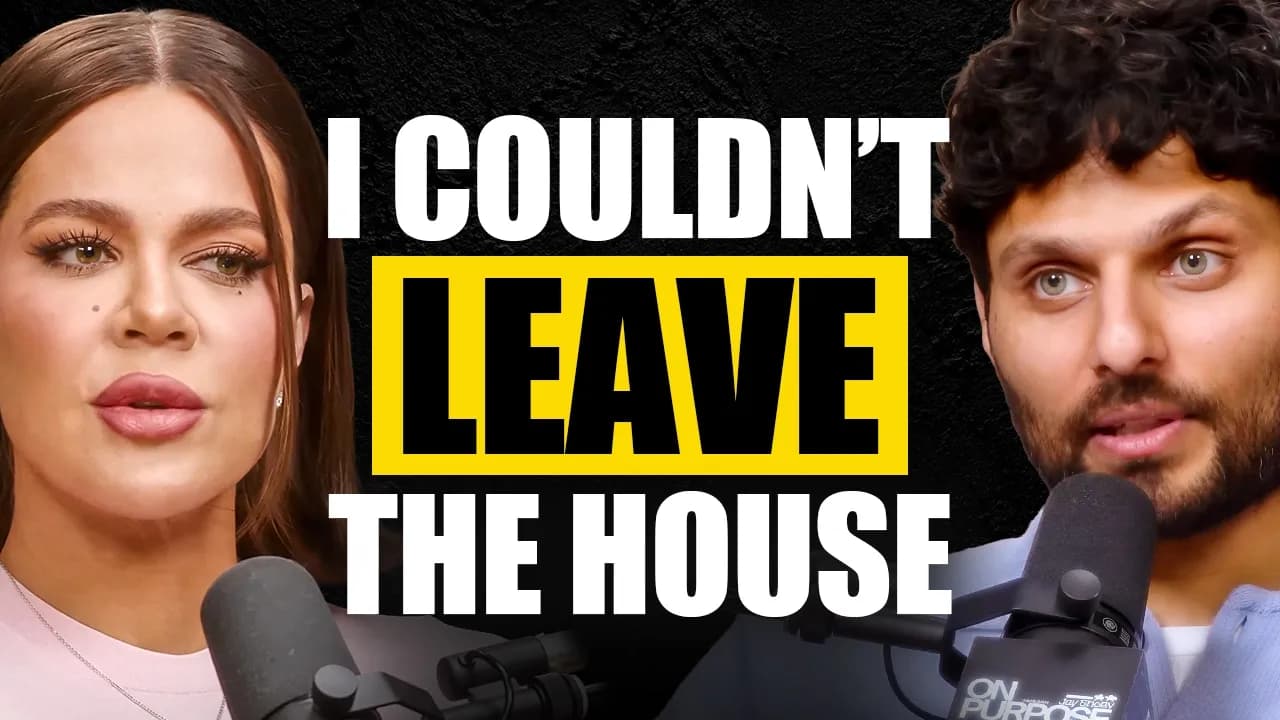
Leila Taylor came on the show to share something she has known since she was little but never formally addressed. She stated: "We're only on this earth for however long we are here. And I'll be damned if I'm not able to be fully who I am." She revealed she is gay and bi, and dates both women and men.
Growing up as a Black girl in a predominantly white area, she already stood out. While watching shows like Pretty Little Liars, she noticed attraction to scenes like Shane Mitchell kissing a girl but had no queer representation around her to normalize those feelings. She initially wondered if it was just a phase or curiosity and underplayed it for years.
She is now in an era of being fully herself and showing every part of who she is. She expressed pride in being bi and being out, hoping others in similar situations feel safe and proud to come out.
This was the first time she addressed her sexuality publicly. The catalyst was a breakup at the beginning of the year. She had spent much of her life living for others—being a mom and previously married—which prevented her from focusing on herself or exploring her feelings. She previously dismissed attractions as drunken party moments or phases.
The breakup allowed her to focus solely on herself. Saying it out loud felt overdue. She acknowledged some people may judge her, but she is surrounded by love and support. Some people in her life will learn about it from this podcast.
The first person she told was her best friend Kate during a trip for Miami Swim Week. Kate reacted with excitement and support, saying she was glad Leila was happy. Kate's response made Leila feel seen without making a big deal of it.
She has not told any cast members from The Secret Lives of Mormon Wives. The group has been somewhat separate since pausing filming. She prefers to share in person rather than by text and expects them to be supportive.
She recalled early moments like watching Pretty Little Liars or drunk kisses with girls that she downplayed. The real confirmation came recently when a woman she is now dating DM'd her after Leila liked one of her TikToks. They met, kissed intentionally while sober, and Leila realized this was something she actively wanted.
The woman sent eye emojis after Leila liked a thirst trap TikTok. She acted on a whim and gut feeling, not knowing Leila's orientation.
Sexuality was never discussed in her home. She believes the lack of open conversations contributed to getting pregnant at 19. Her parents made occasional small comments but never had formal talks.
Looking back, she wishes she had more support. She hid many things from her parents out of fear, including losing her virginity at 15. She would never have gone to them about her feelings toward girls, which kept her closeted longer.
She converted to the Mormon church at 16 after a rebellious phase from ages 14 to 16. The church gave her a moral compass she previously lacked. She was still sexually active in high school but found structure.
She sought the family consistency she saw in her Mormon friends' homes. With 98% of her school enrolled in seminary, Mormonism was the dominant culture. She viewed it as the way to have a happy family.
She did not take much away spiritually; she attended sacrament meetings mainly to fit in and reduce differences from her peers. Being Black and having same-sex attractions already made her feel different.
However, the church helped during a dark period of mental health issues and family problems in high school. It gave her purpose and motivation. She remains grateful for that positive impact while acknowledging the church is not supportive of being openly gay.
She had few Black peers and internalized that beauty meant being a pretty blonde girl with blue or green eyes. In high school, she attempted to bleach her skin by drawing a bath with bleach and scrubbing, believing it would lighten her skin.
Her mother taught her that her curly hair was hard to manage and began straightening it as soon as possible. Leila hid her natural texture for years out of fear.
Having her own children, who are a quarter Black, motivated her to develop pride. She wants them to feel affirmed in ways she was not. She now experiments with her hair and feels proud to represent the Black community as the only Black cast member on the show.
The shift came from wanting her children to be proud of themselves. She realized she could not teach them self-love without modeling it. Early attempts like wearing a wig felt foreign, but consistent self-acceptance helped her embrace all parts of herself.
She found out she was pregnant at an urgent care in Provo, Utah, after thinking she had a stomach bug. She was terrified, alone, and unsure whether to continue the pregnancy, pursue adoption, or marry her boyfriend. She lacked family support at the time.
She chose marriage because she came from a broken home with a toxic parental dynamic and wanted to give her child the opposite experience. She feared being a single mom. Though the marriage ended, she does not regret trying, as it led to her second child.
She has lived through conversion, early motherhood, dating, marriage, and divorce in a short time. She sometimes wonders how she is still standing but believes these challenges shaped who she is today. She views her platform as an opportunity to help others by sharing her story.
The relationship was toxic and manipulative from the start. They never knew each other deeply and married mainly because of the pregnancy. She focused on making her husband happy, maintaining the home, and caring for the children while ignoring problems out of fear of single motherhood.
The final straw came when the word "divorce" was repeatedly held over her head as a manipulation tactic. Her ex knew this was her biggest fear, stemming from growing up in a broken household and witnessing divorce as a child. She described it as a way to get her to fall into line and behave as he wanted. When he brought it up for the final time, she realized she could no longer beg someone to stay and recognized her own worth as a good partner.
She does not believe she stayed too long and feels she gave the marriage her all by attempting to implement healthier coping mechanisms during fights. She emphasized that she wanted to make sure she truly tried everything before making the decision.
She maintains that her ex is a phenomenal dad and one of the best she's seen, noting that witnessing him love their boys is amazing. However, she recognizes they simply did not work out as romantic partners. She stated she will always have a place for him in her heart.
When she finally agreed to move forward with divorce instead of fighting back, begging, or suggesting therapy, his reaction caught him off guard. He was used to her always wanting to make things work, so her calm acceptance of his suggestion surprised him.
Leaving the toxic relationship brought positive aspects, including establishing a fun nightly routine with her children. However, the beginning of single motherhood was extremely difficult. She had no income before the show and brand deals, and there were periods where she borrowed money from family. She would buy $30 worth of groceries for the week, feed her kids, and eat their scraps because she couldn't afford more for herself.
She received eviction notices on her door during this time. This period coincided with the beginning of filming the show, creating a situation where she was terrified and embarrassed to let anyone know what was happening behind the scenes.
She felt shame and questioned her decision, thinking she should have stayed married because at least then she had food on the table, lights that stayed on, and rent that could be paid. She tried to keep up a facade during filming by slapping a smile on her face and not letting anyone know the struggles she was facing. She believes some of the other women on the show still don't know how badly she was struggling at the beginning.
She expressed deep gratitude for the show and her team, who believed in her from the start and have stood by her throughout the process. Small things like being able to buy a flight for herself to attend a podcast now feel significant because she couldn't do those things at the start of single motherhood. She stated she will never take her current position for granted and feels grateful to have made it to the other side.
There were many nights where she sat questioning how she would keep going for her boys. She debated texting her ex to take the kids so she could move in with her sister because she didn't know how to continue on the path she was on. The fear centered around wanting to be a mom for them and show up for them, as innocent babies deserve not to worry about where their next meal is coming from.
She didn't want to tell anyone around her due to embarrassment. She wishes she had asked for more help but finds it very difficult to ask for help, a pattern ingrained since childhood where she was taught to shut her mouth and suck it up.
She dated pretty quickly after separating and acknowledged that for a long period she sought validation in other people due to abandonment wounds from childhood. She put her self-worth into how other people viewed and perceived her, particularly her partners. She never really knew how to be alone and found it scary, not wanting to be alone with her thoughts or without someone to rely on emotionally.
This pattern led her to constantly jump into relationships, and she acknowledged that comments about her being in another relationship every season were accurate for a long period of her life.
She now values her alone time and feels it has given her perspective and helped her come to terms with being bisexual. She stated she wouldn't have been able to accept that part of herself if she was with somebody. Being alone allowed her to stop living for other people's approval and fully focus on herself.
She emphasized that it's hard to be alone with your thoughts and feel emotions, especially post-breakup. Many people rebound to mute those thoughts rather than sitting with them. She noted that many adults have spent very little time truly alone without pursuing or being in a relationship.
She shared on the show that she wasn't satisfied by her male sexual partners. When she said it, she forgot the cameras were there and was just sharing with the girls. She didn't think it would have the impact it did until the season came out and she received DMs from women saying they hadn't experienced that either and thanking her for making them feel less alone.
She clarified that her intention wasn't to throw her exes under the bus or say they never made her finish. Rather, it was about breaking a taboo around sex. She explained that for so long she viewed sex as needing to ensure the man was always pleasured, with her own pleasure not mattering.
She never experienced a partner ensuring her satisfaction because she didn't think that was how sex worked. This relates to never having the birds and the bees conversation with her parents and not knowing how any of it worked. She noted that sex education in America and in schools is taught so poorly that no one really has a clue.
She grew up in a predominantly Mormon area and didn't receive any sex classes at all. She believes that not addressing the topic made her more curious rather than less, and as a parent now she wants to address these things with her kids, teach them about safe sex, and normalize having urges.
The Mormon approach is to not have sex until marriage, and even then, the point for some is procreation rather than enjoyment. Some members don't have toys or engage in sexual activity beyond what's necessary to make babies. She knows people who waited until marriage and got pregnant very quickly.
She observed that in many religious institutions, there's the stated rule of no sex before marriage and that sex is only for procreation, but the majority of people are still having sex and just not telling anyone, creating shame and guilt attached to it.
She described a culture of keeping up with the Joneses where everyone has secrets they don't share in order to maintain the facade of being a perfect member. She hasn't been an active member for four or five years. During her marriage, she and her ex would go to church sometimes to keep up the facade, but when they separated, she felt relief at no longer having to maintain something she didn't truly believe in.
There wasn't an exact moment when she decided to start dating women; it just felt right. She doesn't feel a sense of lost time or that she held herself back, believing everything played out how it was supposed to. She acknowledges she wishes she had come out sooner, but other things like becoming a single mom and dealing with childhood issues took precedence.
She finds the concept of coming out strange because she doesn't understand the assumption that everyone is born straight. She never pictured herself sitting at a podcast and saying she likes girls and boys, thinking instead she might just show up with a girl one day and people would react casually.
Her biggest fear was that dating women felt very foreign because she had only dated men her whole life. Though she had some experiences with women, she had never gotten to know women on an intimate level. She had to push past the what-ifs and the unknown by deciding to dive in.
What surprised her about dating women is how much more emotionally aware and patient her current partner is. The woman she's talking to has been very understanding and is letting her take things at her own pace because it's so new and foreign to her.
She has received hate both when trying to do everything right in earlier seasons and now when being more vocal and outspoken. She stated that life is too short to not be fully who she is, and if people don't like that, that's okay. She believes it's nobody's business who someone chooses to love.
The only criticism that gets to her is anything involving her parenting. She is very protective over her children and finds comments about her parenting particularly hurtful because she didn't receive that kind of protection growing up.
She noted that the internet is quick to comment on everyone's babies and mothering. Parenting is a one-off experience for every person because every child and every parent is different. There is no textbook for how to parent properly or handle situations. It's challenging every single day and teaches new things about oneself. She believes parents are doing their best and that what matters most is protecting children's health and mental health while keeping them happy and healthy.
Layla emphasizes using affirmations as a core practice for her and her children's mental health. She explains that she did not hear much positive self-talk growing up and developed very negative self-worth as a result. Her mother would look in the mirror and make negative comments about her appearance, while her father made mean comments to her mother. Layla now has her boys sit in front of the mirror and say statements like "I'm handsome and I'm smart and I'm loved and I'm cared for." She believes these affirmations set their minds toward gratitude and self-love, which can lead to success in career paths, school, sports, confidence, and relationships.
Layla describes how being the only Black child in a classroom of 30 students triggered feelings of not valuing herself or her individuality. She also struggled with an eating disorder throughout high school that resurfaced approximately one year ago; she states she is currently in remission and feels proud of reaching that point. She explains that she has always held a jaded perspective of her worth and image. A turning point came when she realized her negative self-talk could affect her children, who view their mother as beautiful and kind. She now tries to speak to herself as she would to a little girl, refusing to say things like "you're ugly or you're fat or no one likes you at school."
The host expresses concern that young women are facing increased name-calling and body criticism online, feeling society is moving backwards. Layla agrees and acknowledges the challenge of raising children amid this environment. She believes it is inevitable that children will encounter these issues, so her focus is on equipping them with healthy coping mechanisms and proper tools to handle criticism. She notes that having these tools earlier might have helped her navigate her own challenges better.
Layla discusses how becoming responsible for others made her more accountable for what she puts in her mind and body. She also considers the impact of her platform, noting that young women and men watch her pages and the show. She wants to avoid having poor choices mirrored by viewers and emphasizes using platforms for good.
Layla states she wants to use her platform for owning single motherhood, owning being a Black woman, owning being a woman, and now owning being a bi woman. She hopes people take away authenticity and being true to oneself from her content.
Layla explains that her partner and children are not currently involved in her new relationship while she explores and navigates it. She plans to handle it privately until the time feels right. Regarding co-parenting, she describes finally reaching a place where emotions have settled. She wants the best for her ex and states they are in a good rhythm focused on making the boys happy.
Layla shares that she has lived much of her life in survival mode—surviving childhood, becoming a single mom, single motherhood, and her eating disorder. She stresses that life is meant to be enjoyed and lived fully, not just survived. To do so requires being authentic and fully oneself. She notes it took her until age 25 to feel completely proud of every part of herself. Her advice is to be more scared of not being who you are than of coming out or making changes.
Layla confirms she is 25 years old. The host remarks on how much life she has experienced at such a young age. Layla responds that she is grateful for everything she has gone through because it made her who she is, while also joking she could use fewer challenges.
Layla did not consult others who had come out before making her announcement. She explains that for a long time she thought she would simply start dating a woman and introduce her as a girlfriend without prior discussion. She chose to come out publicly to help people in similar situations. Many of her friends in the LGBTQ+ community have been supportive, emphasizing that connecting with another soul matters more than gender and that they simply want her to be happy.
Layla expresses excitement about being able to make out with her partner in public without concern about reactions or recognition. She looks forward to being fully herself and owning it.
The host hopes Layla feels safe in her choices and that everyone deserves to feel safe when making decisions true to their soul and heart, provided they are not breaking the law or harming others.
Your love for yourself has to be stronger than your desire to be loved.
Layla saw this quote on Pinterest and finds it applicable to many situations.
Layla criticizes the saying "the best way to get over someone is to get under somebody else," calling it unhelpful. She recommends taking time for oneself, picking up a book, or pursuing a hobby instead.
Layla defines a good friend as someone who loves you through all stages and every phase of life, including every chapter and challenge.
When prompted to complete the sentence "I think I think too much about...," Layla answers: perception and how people view her. She acknowledges this remains an ongoing challenge in her public-facing role but states she is entering an era of wanting to be authentically herself regardless of others' opinions.
Layla jokingly suggests a law requiring greater understanding before converting to Mormonism, referencing her experience of completing only five lessons with minimal information before committing. She explains she often receives questions about topics she was never taught during the conversion process.
Keep Jay Shetty Podcast in your library
Save the videos and channels worth coming back to, and find them again in one place.