New Study Reveals SILENT Heart Disease Is WORSE Than We Thought
In a Nutshell
A new study of 17,000 healthy adults found that arterial plaque begins forming decades earlier than expected: 8.7% of men and 6.7% of women aged 18-29 already had plaques, rising to two-thirds of men and nearly half of women in their 40s. Standard risk calculators and stress tests miss most early disease because they rely on age, cholesterol, and symptoms that don't appear until advanced stages. CIMT ultrasound can detect microscopic plaque in neck arteries before calcium scores or conventional tests, enabling earlier intervention when treatment can still reverse disease progression.
These notes were generated by AI and may contain inaccuracies.
A new study demonstrates that plaque buildup, vascular disease, and cardiovascular disease begin long before symptoms appear or are detected by conventional laboratory tests. Neither patients nor their children feel any symptoms, and doctors miss these conditions because they practice according to standards using standard medical calculators that indicate patients are doing well.
The speaker has believed this for over a decade based on clinical work seeing patients suffering from this disease daily, and as a former faculty member at Johns Hopkins University and statistician, the speaker studies scientific evidence across entire populations, not just sick individuals. A study now proves that 25-year-old sons and 18-year-old daughters can already have arterial plaques.
The study included 17,000 adults from Denmark and Spain, aged 18 to 70, with equal numbers of men and women. None of the participants knew they had heart disease, and their doctors had told them they were fine based on calculators. None had undergone stents, bypass surgeries, or strokes.
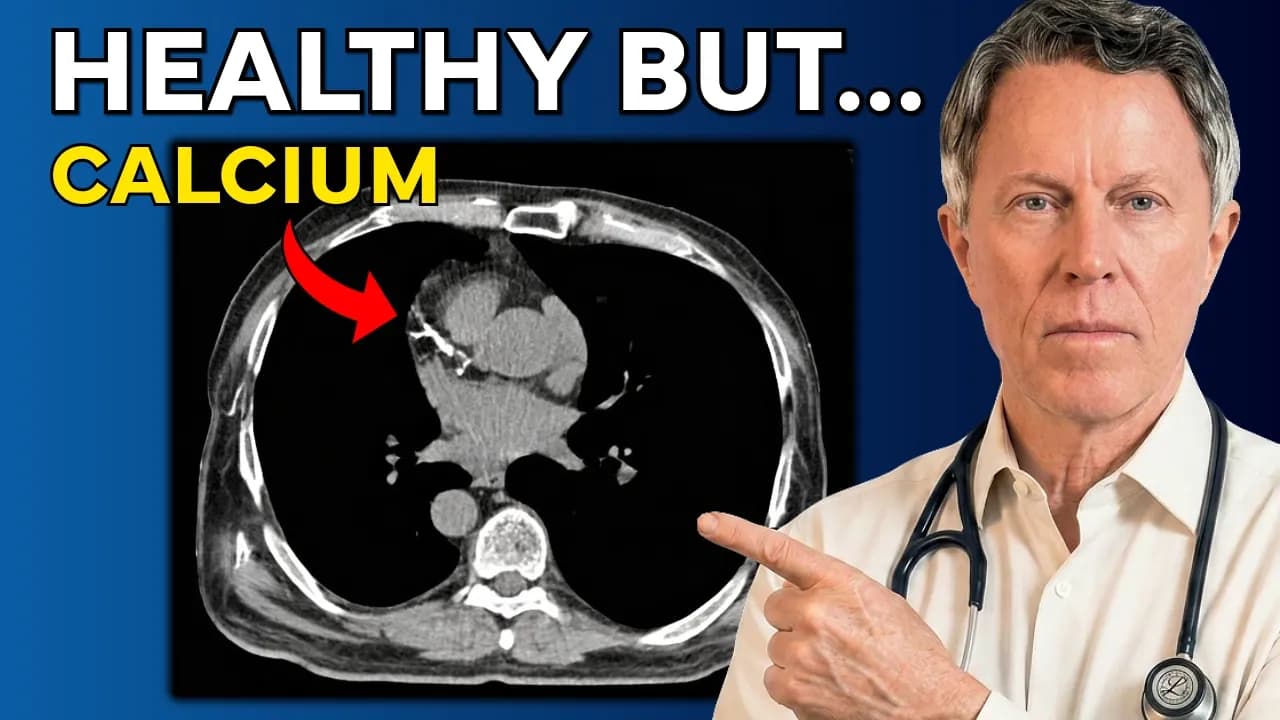
The researchers examined arteries directly using ultrasound of blood vessels and computed tomography angiography, examining arteries in the neck, groin, and heart. Results were categorized by age group.
For people aged 18 to 29, 8.7% of men and 6.7% of women already had arterial plaques. One in 13 young men in their twenties has already developed plaques. In their thirties, one-third of men had plaques. In their forties, two out of three men had plaques, and nearly half of the women had plaque in their arteries.
In the sixties or seventies age group, only 2% of men and 8% of women were perfectly healthy. When taking the entire group from 18 to 75 years old, 57% have plaques in at least one artery.
In young people, plaques were almost all found in the neck or thigh arteries. The carotid artery in the neck was the first place to find plaques at every age. Heart arteries showed plaques later - in 82% of cases where someone has plaques in their heart arteries, they also have them in their neck or groin. Having plaques only in the heart with healthy neck and thigh arteries was rare: less than 10% of men and less than 5% of women.
The study compared standard risk calculators to actual imaging results. The European "Score Two" calculator and the American Heart Association's "Prevent" calculator use age, gender, blood pressure, smoking status, and cholesterol numbers to estimate 10-year heart attack probability.
These calculators identified only 1.9% of people who actually had plaques in the "high risk" category. The medium- to high-risk group only revealed about a third of the findings. Age is the most influential factor in these calculators, making younger people with plaques appear low-risk.
Most doctors do not use calculators to look for plaques. They request stress tests or cholesterol tests, or tell young patients they don't have problems because they don't smoke. Stress tests do not show results unless blockage exceeds 50% of the lumen. Two-thirds of heart attacks are caused by plaques that never reached this size.
Tim Russert had a normal stress test result three or four months before dying of a heart attack.
Calcium score tests are cheap, fast, and detect real disease without requiring prescriptions. However, calcium represents late-stage, hardened plaques that pose less risk than no plaques at all. The dangerous soft plaque that ruptures and causes heart attacks does not contain calcium yet.
Among people in their thirties with plaque in coronary arteries, 42% of men and 48% of women had calcium scores of zero. These young people are most susceptible to developing early, dangerous plaques that kill.
The study was a snapshot without follow-up to determine who later suffered heart attacks, so it cannot prove that early detection and treatment prevents heart attacks. However, the speaker has photographed and re-photographed patients for decades and observed that treating the root cause thins arterial walls, stabilizes soft plaques, and improves their condition. Without treatment, plaques grow and risks increase.
The study collected blood pressure, smoking, and cholesterol data but did not collect data on blood sugar levels after meals. Most cases of prediabetes are not recorded in medical charts. In the United States, the chance that a doctor will diagnose, treat, and record prediabetes in medical records is only 5%. This undiagnosed metabolic disease is blamed on cholesterol when heart attacks occur.
Two tests were used in the study. The first is carotid ultrasound with CIMT (carotid intima-media thickness) analysis, which measures the thickness of the inner and middle layers of the carotid artery wall to determine plaque amount, even microscopic amounts the size of a human hair. This test uses no radiation, no dyes, requires no needles, and costs less than thousands of dollars.
The second test is computed tomography angiography with artificial intelligence analysis, which shows what's inside heart arteries, classifies plaques into soft and hard types that human eyes cannot classify efficiently, and involves radiation and dye.
For people over forty, CIMT scans are recommended. The speaker would pay for CIMT procedures for sons in their twenties and thirties. CIMT testing is recommended for young people in their twenties and thirties as a preventive measure, even though standards have not yet incorporated this recommendation.
If CIMT shows plaque or calcium score is already high, AI-assisted tomography angiography is the next step.
Standards committees originally said statins should be prescribed based on risk determined by LDL cholesterol levels. The speaker argued that regardless of LDL cholesterol level, statins are not needed if there is no plaque. Guidelines have now changed to reflect this position.
The speaker also argued for one-hour glucose tolerance tests, stating that results over 200 indicate full diabetes and results over 150 indicate problems. The International Diabetes Federation has now changed standards to indicate full-blown diabetes at glucose levels above 207 at one hour, and high risk/prediabetes at 155.
Having plaque does not mean having a heart attack tomorrow, but having no plaques makes heart attacks extremely unlikely. Having plaques creates significant increases in risks that did not exist without plaques. 57% of people in the study had plaque.
CIMT test results may seem like just numbers but are difficult to interpret correctly. What matters is who reads the results, what they look for afterward, and finding the root cause. Most doctors do not test for glucose intolerance or carbohydrate tolerance. Triglycerides, blood pressure, and signs of inflammation indicating whether plaques are currently active are important but not often measured.
The PrevMed team follows a prevention-first approach, performing CIMT scans and conducting metabolic tests without ignoring metabolism as the most likely root cause. Plans are built based on actual findings. Questions can be directed to Dr. Brewer.ai, available in the app through the description link or QR code.
Most routine medical examinations are not designed to detect the information presented. Knowing that deposits start very early is important, but finding them in personal and family veins makes the difference.
Keep Dr. Ford Brewer MD MPH in your library
Save the videos and channels worth coming back to, and find them again in one place.