This Common Mouth Problem Raises Heart Attack Risk 50% (Easy Fix)
In a Nutshell
Gum disease, affecting over 40% of adults, raises heart attack risk by 30-55% through chronic inflammation from bacteria in periodontal pockets entering the bloodstream and damaging arteries—undetected by standard cardiac tests. Brushing and flossing alone fail to clean below the gum line, but adding daily water flossing disrupts bacterial biofilm, reduces systemic inflammation, and lowers vascular risks like heart attacks, strokes, and Alzheimer's. Follow this protocol: brush twice daily focusing on gums, floss daily, water floss nightly; skip oil pulling (ineffective) and get professional cleanings for tartar removal.
These notes were generated by AI and may contain inaccuracies.
This mouth problem raises heart attack risk by 50%. It doesn't show up on stress tests. It doesn't show up on cholesterol tests. And it keeps damaging arteries. Even when everything else looks normal, the problem is not in your chest. It's in your mouth. If you've been brushing, flossing, and doing everything right, this might be the risk you were never warned about. Something you can easily and simply fix.
Inflammation doesn't come from plaque in your arteries, at least first. It starts somewhere else no one connects to heart disease: your gums, those red fleshy things next to your teeth. This kind of inflammation quietly feeds plaque in your arteries every single day. While routine cardiac testing keeps saying that you're fine, don't rely on just the same old tests.
Today, brushing and flossing aren't enough. The one missing tool actually changes outcomes. Number three, a popular natural fix—natural and it sounds right, but it just fails. Number four, the exact three-step protocol to reduce this hidden inflammatory burden.
It isn't about dental hygiene so much as it is about artery biology and living a long healthy life.
Why Your Mouth Can Drive Heart Disease
Over 40% of adults have gum disease. That condition is associated with a 30 to 55% higher risk of coronary heart disease and other artery-clogging vascular disease.
Your cardiologist is not going to look. Your primary care doc's not going to look. And the dentist really is going to ignore it. They see adult after adult with bleeding gums and dental disease. They've been ignored so many times. Dentists see patients with gum disease associated with undiagnosed pre-diabetes. They try to get them to take it seriously but face vast lack of interest and responsiveness.
These are not fringe numbers. They come from large population studies and systematic reviews reproduced for decades.
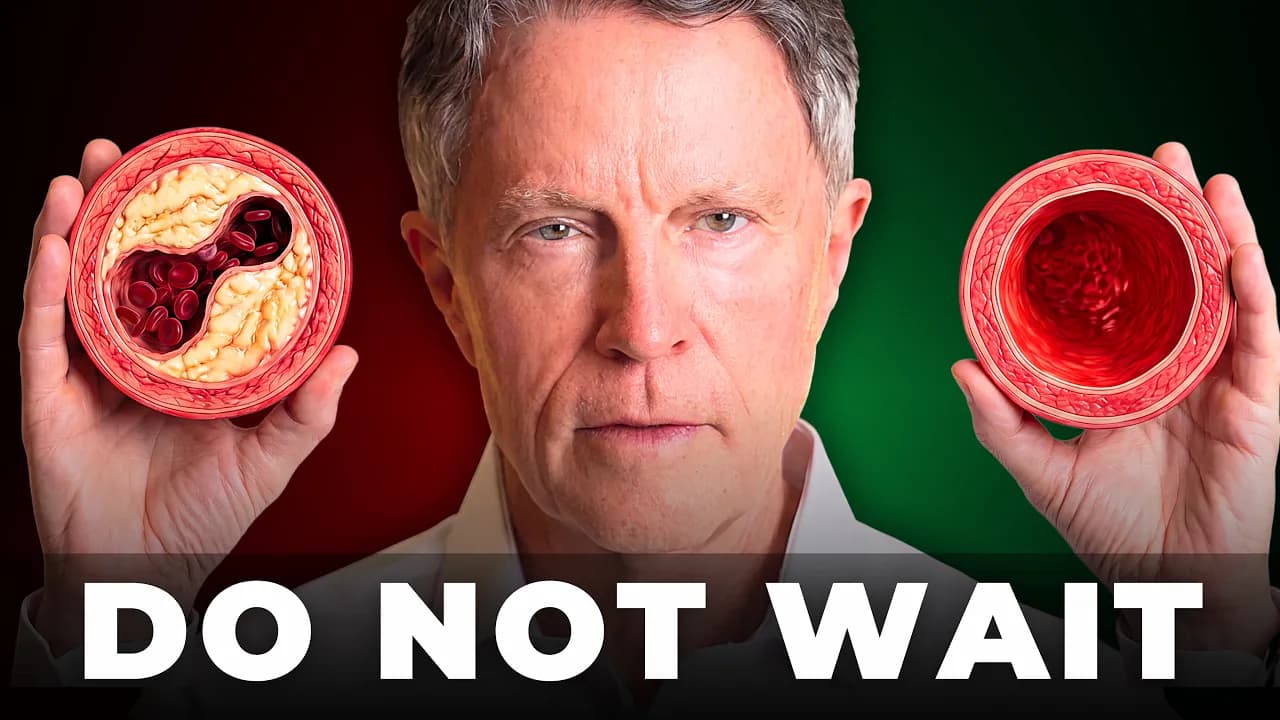
Not because plaque from your teeth travels to your heart, but because inflammation does. When your gums are inflamed, bacteria and bacterial products enter the bloodstream. Inflammation is one of the central drivers of arterial injury and plaque progression.
Your cardiologist focuses on labs, scans, medications, stress tests. Your dentist focuses on putting fillings in cavities. No one really connects these two. Most people don't even look at the gums that much anyway.
People do everything they're told: exercise, eat better, take their meds, and this risk keeps quietly building.
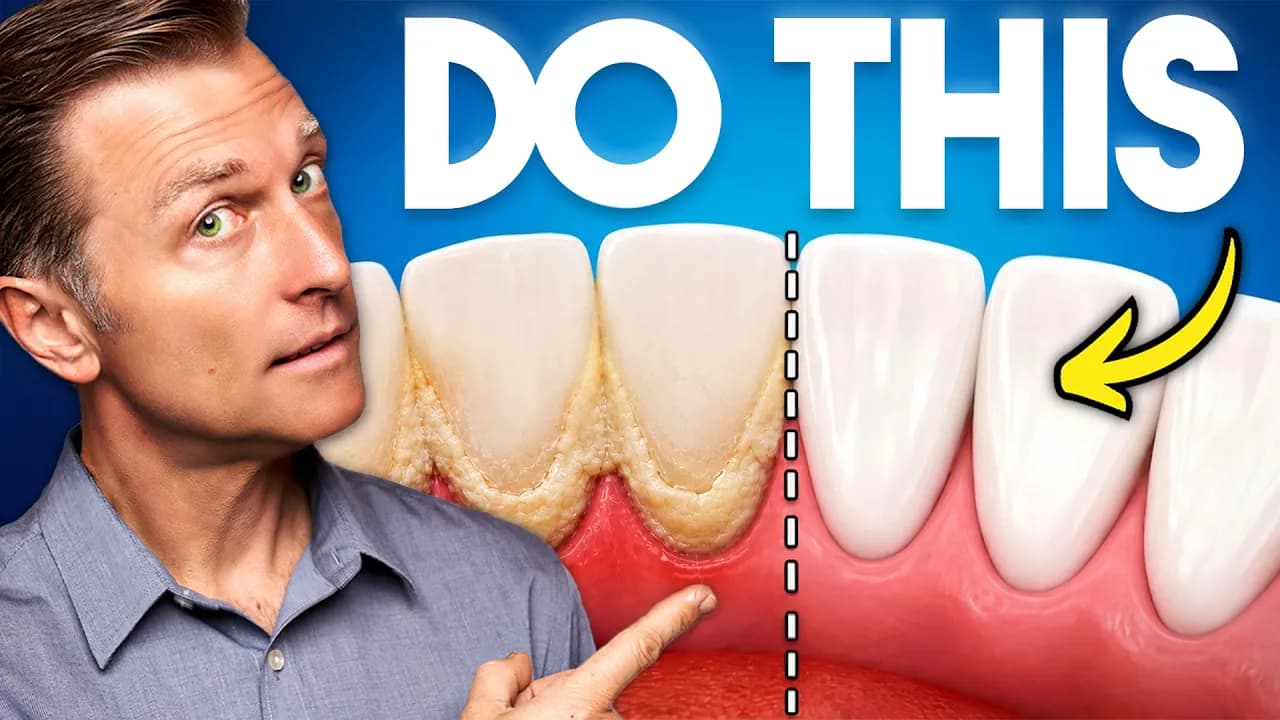
Most people brush their teeth daily, so they assume their mouth is healthy. Brushing only cleans what you can see. It doesn't reliably clean between the teeth. It doesn't get below the gum line or inside periodontal pockets, pockets between the gum and the teeth. That's where the most harmful bacteria live.
Somebody can brush twice a day, feel responsible, and still have chronic inflammation of the gums, repeated bacterial entry into the bloodstream, elevated systemic inflammation.
Brushing alone does not change this risk.
Brushing cleans surfaces. Flossing helps in tight places, but neither reliably clean below the gum line where inflammation actually lives. Those pockets are where the risk actually changes.
That's where water flossing comes in. A water flosser uses pulsed pressure to flush bacteria out of those periodontal pockets, gum pockets next to your teeth. Areas your toothbrush and floss simply cannot reach.
Think of it this way. Brushing wipes the outside of a pipe. Flossing cleans along the edges. Water flossing clears sediment from the corners where buildup keeps coming back.
That bacterial biofilm under the gums constantly stimulates inflammation.
Clinical periodontal studies show that reducing gum inflammation lowers systemic inflammatory markers and improves endothelial function, the function of the lining of the artery. This is the same biology involved in forming plaque.
When you disrupt that biofilm consistently, gum inflammation drops. When inflammation drops, systemic inflammation drops. Drop the inflammation in your gums, you're going to drop the inflammation in your arteries. When you drop inflammation in your arteries, your heart attack risk drops and stroke risk and kidney disease risk and blindness risk and risk for Alzheimer's.
This is why brushing and flossing alone just don't change outcomes even in disciplined people.
Geek note for the scientists: This connection between oral bacteria and heart disease is documented in peer-reviewed work by Brad Bale, Amy Doneen, and microbiologist and lab scientist from Vanderbilt, Dave Vigoreaux. These clinicians focus on inflammatory and infectious drivers of heart disease, not just cholesterol. Their work explains why chronic oral infection acts as a long-term inflammatory burden on the vascular system and therefore heart attack, strokes, brain, kidney disease, and erectile function.
The Full Protocol
Step one: Brush twice daily. Focus on the gum line. Soft bristles. Two minutes.
Step two: Floss daily. Sweep gently under the gum line where you can get between teeth. Consistency matters more than force.
Step three: Water floss every day. Do it in the evening. Aim along the gum line. Pay attention to areas that bleed or feel tender. Those are critical areas where inflammation's getting into your arteries.
Doing steps one and two helps. But until you get the third, you're not doing what you need to do. Do all three steps: brushing, flossing, and water flossing. That's what changes outcomes. If you skip the water flossing, inflammation usually doesn't stop. Arterial risk doesn't change either.
People always talk about oil pulling. Oil pulling does not remove hardened tartar. It does not reach periodontal pockets. It does not disrupt established biofilm below the gum line. At best, oil pulling alters the surface environment temporarily. At worst, it creates false reassurance while inflammation continues underneath. The evidence does not support it. If it replaces flossing, water flossing, or professional cleanings, it delays prevention.
What at-home care cannot fix: Once plaque hardens into calculus, built by the bacteria like a hard reef, no at-home device will remove it. Trying to scrape tartar at home is not safe. You'll injure your tongue, gum, or tooth.
Professional cleanings still matter, but don't rely on those alone. You need at-home care to reduce your risk. Dental visits catch what you cannot see, and you need both.
This doesn't matter because teeth connect directly to arteries, but because inflammation connects everything. Oral inflammation is upstream. Reduce that, reduce systemic vascular or arterial inflammation and therefore plaque and actually unclog your arteries.
Now that you understand why periodontal disease, gum disease, is linked to heart attack risk and why brushing alone is not enough: Brush, floss, water floss, reduce inflammation, protect your arteries.
The next thing to understand is how inflammation actually turns into plaque inside the artery wall. Growing old is not for sissies, but it's a lot easier with healthy arteries.
Keep Thomas Fordham Brewer MD MPH in your library
Save the videos and channels worth coming back to, and find them again in one place.