This family has been making wine for 6 centuries | 60 Minutes Archive
In a Nutshell
The Antinori family has produced wine continuously for 623 years across 26 generations, defying the 15% survival rate for family businesses past the second generation. Three sisters—Albiera, Allegra, and Alessia—now run the 5,000-acre operation that sold 17 million bottles for $200 million last year, maintaining the core philosophy of patience, elegance, and respect for nature over quick profits. The family remains committed to staying independent and intends to continue as a family business for another 500 years.
These notes were generated by AI and may contain inaccuracies.
A recent study found only 15% of family businesses survive past the second generation, with marketplace whims, familial rivalry, or greed typically ending operations.
The Antinori family of Italy has been making wine for six centuries, with their family story described as complex, stylish, sophisticated, with a bouquet both elegant and earthy. They farm 5,000 acres in Italy's great vineyards, primarily in Tuscany and Umbria, with additional property in California's Napa Valley.
Until recently, Italian business, especially the wine business, was primarily for men. Albiera Antinori and her two sisters (Allegra and Allesia) are the first women in 26 generations to play a major role in the family enterprise. Allegra Antinori states: "I feel part of the land, you know. I think I'm owned by that land. It's something very very strong."
Allesia Antinori explains the family's approach to wine: "The elegance. The wine has to be elegant." She describes elegance as personal and intuitive, comparing it to recognizing an elegant woman.
The first document proving an ancestor was involved in wine production dates back to 1385. Piero Antinori, the 70-year-old patriarch bearing the noble title of Marquees, works behind an antique Renaissance desk.
In Florence, a small window dating to hundreds of years ago served as a wine sales point where a cellar master would pass bottles and receive money. This system operated until a couple of centuries ago.
For 623 years, various Antinoris have maintained the business despite war, plague, political intrigue, and shifting consumer tastes. The family tree shows Antinoris involved in business, politics, and church.
The family covered all bets by having members in various sectors. In 1576, Francesco Demedi, Grand Duke of Tuscany, had one Antinori strangled for undue attentions to Bianca, the Duke's wife. In the 1700s, another Antinori cultivated Pope Clement XII as a customer, who commissioned Rome's Trevi Fountain.
Family correspondence indicates Pope Clement XII liked the family's wines and wanted to order more, providing a significant recommendation in the 18th century.
Family history records contain little information about wives and daughters across 26 generations. When Albiera attended agricultural university in Milan, she was one of only two women among all male students.
With no male heir, Piero Antinori sold a major stake to Whitbread, a British beer-making company, to guarantee continuity. The partnership failed due to conflicting approaches between quick profits and quality aging, leading Piero to buy back the shares.
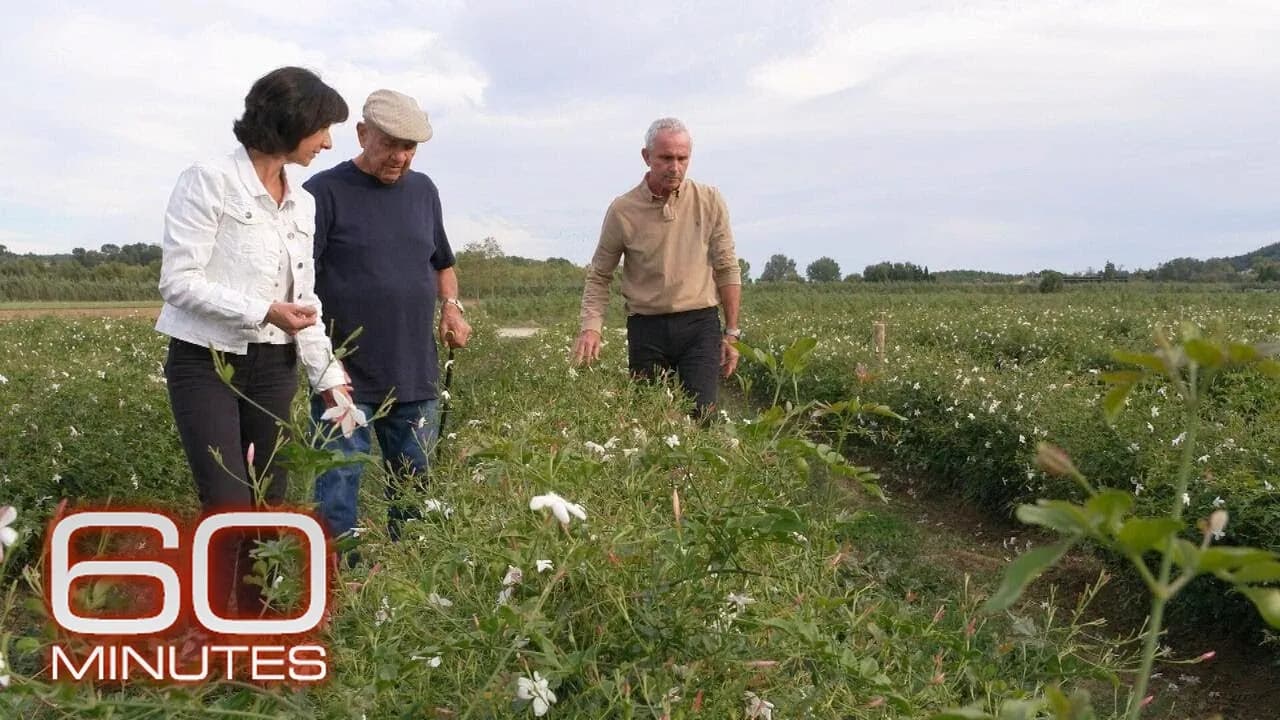
The three daughters now travel globally promoting Antinori wines, selling 17 million bottles last year worth $200 million with healthy profits. Despite spreadsheets and science, the family regards themselves as farmers at heart.
Piero Antinori states: "This is our origin. Still now in modern times, we are basically farmers. We appreciate the nature and the countryside more than the glamorous city life."
Every lunch at Palazzo Antinori serves as a business lunch where the Marquees, his wife Francesca, daughters, sons-in-law, and grandchildren participate. Arguments may start at the table but "after three or four glasses of wine, everything disappears."
The palazzo has been in the family since 1506, serving as both business headquarters and family residence. Across Piazza Antinori stands the Cappella Antinori, the family chapel containing the tomb of founder Aleandro Antinori.
Piero commutes by air to Tignanello vineyard south of Florence, where the family developed their famous red wines. A 10-year cycle exists from planting new vines to bringing wine to market.
Piero emphasizes: "You have to be patient and to wait until the wine is good enough, the vines are old enough to produce a good wine."
Albiera began working at Castello della Sala after high school, living in the 14th century castle and learning the wine trade from the bottom up as a field hand.
At the Tuscan coast estate, Allegra maintains her own stable and training track in the vineyards, riding every morning.
The family discarded most of the 2002 crop as it wasn't up to par. Piero states: "You cannot force things. You cannot force nature. If you have a bad vintage, tough luck."
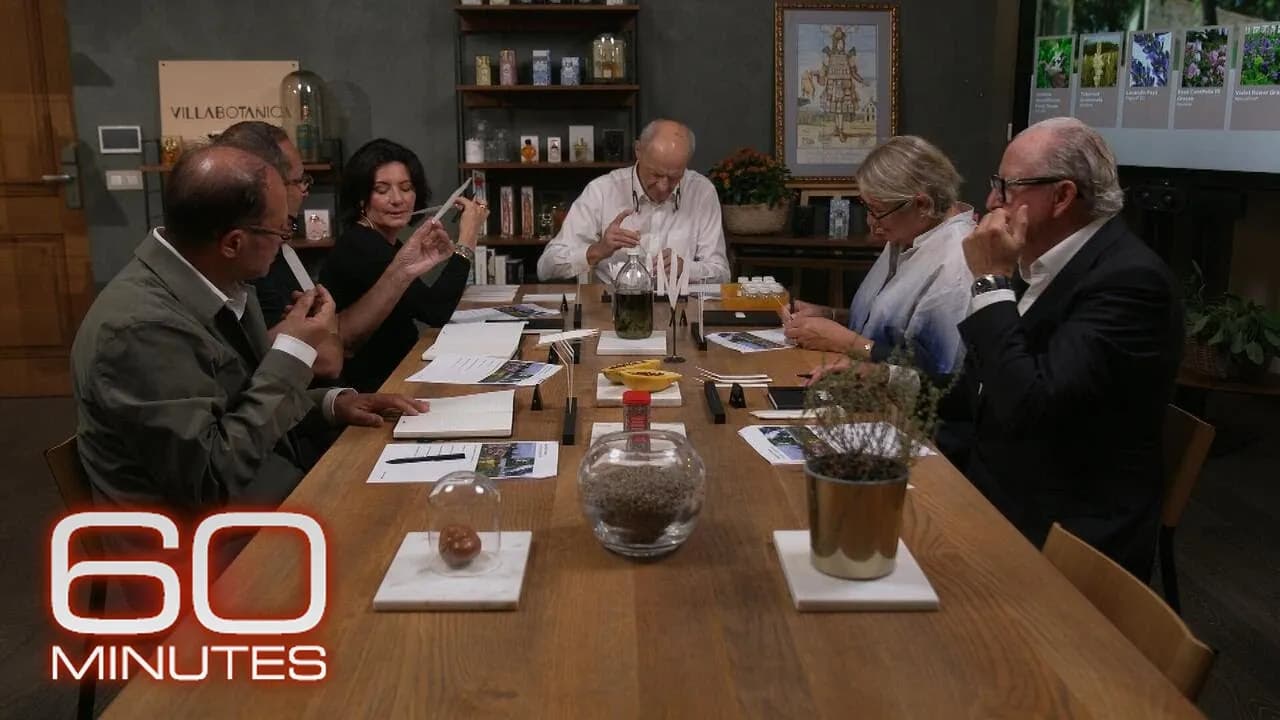
Wines are checked every few months in the cellars, with decisions made to let them age longer if needed. The family regularly declines buyout offers, intending to remain a family business for at least another 500 years.
Keep 60 Minutes in your library
Save the videos and channels worth coming back to, and find them again in one place.