Top 5 Herbal Teas that Lower Blood Pressure (Based on Evidence)
In a Nutshell
Top 5 evidence-based herbal teas for lowering blood pressure: **hibiscus** (strongest, ~7 mmHg systolic drop via ACE inhibition and vessel relaxation, 2-3 cups/day); **green tea** (~2-3 mmHg via catechins/EGCG); **black tea** (~1.8/1.3 mmHg via theaflavins); **olive leaf** (potent extracts >11 mmHg, tea milder); **hawthorn** (~6.5 mmHg via flavonoids reducing stiffness). Brew with proper steeping (5-15 min, hot water, loose leaf preferred to avoid microplastics), use daily for cumulative effects alongside lifestyle changes like diet/exercise/sleep—teas are adjuncts, not cures; check medication interactions (e.g., hibiscus with ACE inhibitors). Sauna/hot-cold showers offer additional vessel-relaxing benefits.
These notes were generated by AI and may contain inaccuracies.
Millions of Americans and people worldwide are on blood pressure medication without serious discussion of underlying causes. Doctors call it "essential hypertension," meaning they don't know the cause, so no conversation about fixes. Lifestyle drives blood pressure: diet, exercise, sleep, glucose control.
Certain herbal teas tested in clinical trials show meaningful blood pressure reductions in real people. Channel focuses on evidence from clinical trials, not speculation. Covering five teas with strongest evidence: mechanisms, study results, effectiveness, preparation.
Dr. Jesus Vega joins. Natural remedies attractive, but evidence exists for these teas. First: hibiscus tea.
Hibiscus contains anthocyanins and polyphenols. They signal blood vessels to relax (less resistance, lower pressure). Also inhibits ACE (angiotensin-converting enzyme), like drugs such as lisinopril, ramipril, benazepril (end in -pril).
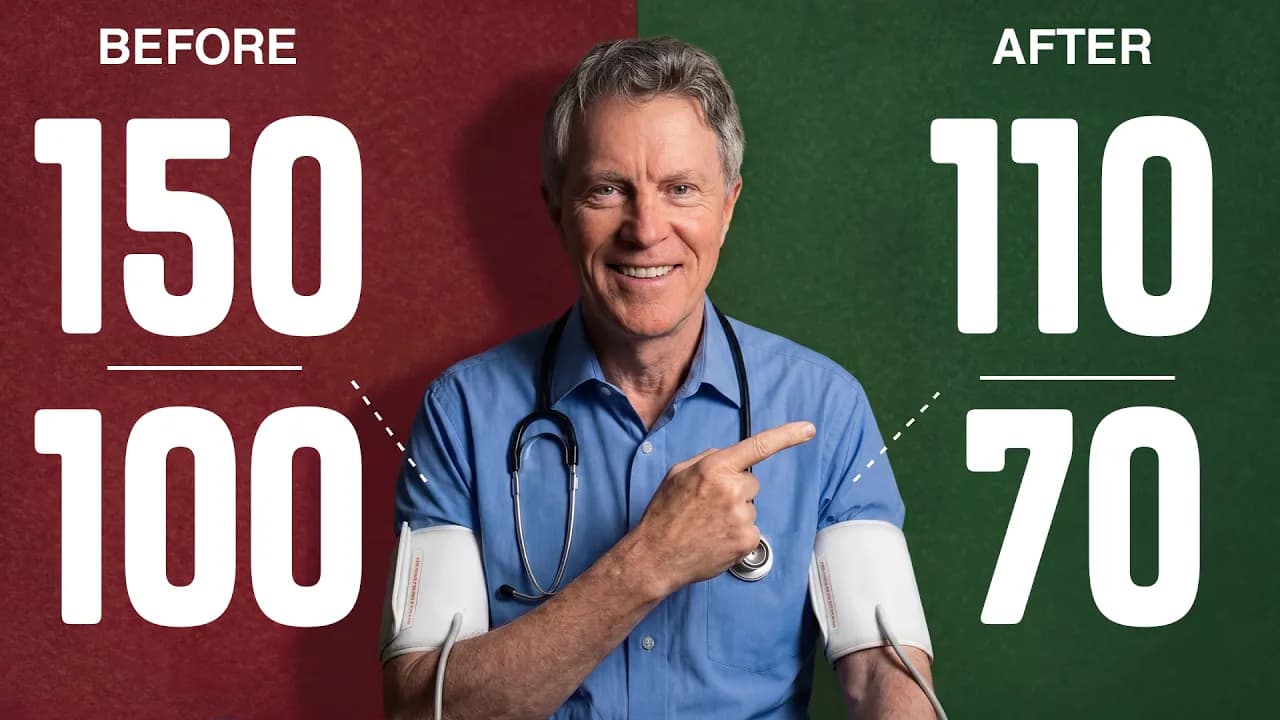
Three cups daily for six weeks: systolic drop 7.2 points (placebo 1.3 points); bigger drops with higher baseline. 2022 meta-analysis confirms ~7 points systolic across trials, comparable to many medications.
1 tea bag or 1.5g dried hibiscus, steep in hot water 5-10 minutes, 2-3 times/day (hot or cold). One cup does little; daily use over weeks/months moves numbers. Steeping time critical for extracting active substances.
Viewer concern: most nutrition research junk/pseudoscience (Yannidis reference). Scientific method with clinical trials in people is best available, better than anecdotes. Nutrition science problematic due to surveys (poor recall), few RCTs/meta-analyses. But parse evidence critically; no perfect studies. Expert opinion low-quality evidence.
Contains catechins (main: EGCG). Reduces artery lining damage, lowers vessel wall inflammation, supports vessel relaxation/flexibility. Cumulative effect; one cup won't overcome poor lifestyle.
2-3 points systolic reduction; reproducible, more in higher baselines.
Caffeine may raise pressure or affect sleep; consume early if sensitive. 1 tea bag or 1 tsp loose leaf, steep hot (not boiling) water 2-3 minutes, 1-3 cups daily. Better than energy drinks/soda.
Most consumed tea in U.S. (vs. green in Japan). Fully oxidized, contains theaflavins and thearubigins. Reduces artery lining damage, supports vessel relaxation.
~1.8 points systolic, 1.3 diastolic; consistent across multiple trials.
Caffeine sensitivity caveat. 1 tea bag or 2g loose leaf, steep hot water 3-5 minutes, 1-3 cups daily. Alternate green/black if preferred; ongoing black tea drinkers already benefit.
Contains oleuropein. Relaxes vessels, lowers artery inflammation, mild ACE inhibitor.
Strongest for standardized extract (capsules): >11 points systolic. Tea less standardized/lower amounts; trials used extracts.
5g dried leaf, steep hot water 10 minutes, 1-2x/day. Mechanism real, traditional use; extracts superior.
Tea discovered accidentally in China (leaf fell into hot water). Modern extracts improve delivery of plant compounds.
- Drinking 3x/day cumulative; repetition key due to half-life (vs. soda raising pressure).
- Patient example: Lori drank soda multiple times/day, harmed health.
- No specific hibiscus source (not in store yet).
- Combining teas: taste issue, not additive (body adjusts; not math).
- Cinnamon: enhances insulin sensitivity/blood sugar (indirect BP help); add to any tea/coffee.
- Reusing leaves 3-4x: loses actives progressively.
- Leaving tea bag in cup: fine, but recent evidence on microplastics in tea bags.
Recent evidence discusses microplastics in tea bags. Most tea bags seen did not appear to have much exposure to microplastics. Consider using loose leaves instead of tea bags.
Opinion on yerba mate tea: It has antioxidants and metabolic benefits, but evidence is not strong due to limited research.
Drinking any kind of tea is better than soda.
Different teas have evidence for specific effects. Many medications derive from plant substances repackaged into pills. Teas contain specific substances with targeted effects, which is why this video covers those with the most evidence for blood pressure impact. Other teas may have no effect on blood pressure.
Many teas interact with medications. Key categories:
- Blood thinners, especially with warfarin (vitamin K antagonists).
- Hibiscus tea with lisinopril (both impact ACE inhibitor effects, potentially causing excessive effects).
- St. John's wort (interacts via liver metabolism with CNS-targeted medications, painkillers, etc.). Always listed in medical references.
Do quick research with reliable sources to understand risks.
Top 5 teas recapped: hibiscus, black tea, green tea, olive leaf tea. Fifth tea coming up.
Promotion: If tired of current medical care where doctors dismiss researching teas and push pills, call 859-721-1414 for qualified health coaches and guidance from Dr. Brewer. Packages available for patients. Links in description for Dr. Brewer's heart attack prevention protocol (lifestyle plan) and Heart Reveal lab panel (comprehensive testing with results discussion). Testing is critical to assess heart attack risk; standard doctor tests are insufficient.
Dr. Brewer working on digital twin AI product. Current AI like ChatGPT gives consensus views (e.g., focus on LDL), but channel audience seeks beyond that.
Reference to Tseng et al. (Hopkins) survey: Over half of US family practitioners, internists, cardiologists cannot properly diagnose prediabetes. Less than 10% of metabolic disease cases get diagnosed and treated. Healthcare oversimplifies to LDL and scripts due to insurance pressures. Standards committees criticize over-reliance on stress tests and LDL; risk is multifactorial (diet, exercise, sleep, glucose control). Undiagnosed prediabetes is the biggest ignored cause of heart attack and stroke.
At 68, Dr. Brewer focuses on actionable messages now rather than systemic fixes. Channel provides geeky, technical, life-saving info.
Shoutout to first Japanese commenter from city with lowest cancer rate, attributing to high green tea consumption. Question: Does pepper enhance anti-cancer effects of EGCG (catechin in green tea)? Evidence not strong enough, but low risk to try, especially for cancer patients.
Hawthorn tea used for centuries for heart and circulation support. Contains flavonoids and procyanidins that reduce arterial stiffness (similar to hibiscus and olive leaf teas, via decreasing inflammation and stiffness).
Well-established in cardiovascular medicine. Stronger evidence for standardized extracts than tea. 2023 meta-analysis of 25 controlled trials: Hawthorn extract reduced systolic BP by 6.5 points over several months (diastolic reduction not significant).
Not as strong as hibiscus (strongest evidence and impact). Reasonable addition. Preparation: 1-2 teaspoons dried hawthorn leaf and flower steeped in hot water 10-15 minutes, 1-2x/day. Mechanism supported, but trials used extracts.
Prioritize hibiscus; others as alternatives if taste issue.
Not claiming teas alone eliminate high blood pressure. These are tools in a pattern.
High BP is dangerous (raises stroke/heart attack risk); meds valid when needed, but lifestyle (diet, exercise, sleep, glucose control) is primary driver and often overlooked.
Teas provide small daily effects (reduce inflammation, improve artery wall relaxation/response, reduce lining damage). Compounded over time, they alter trajectory alongside lifestyle.
Earl Grey (black tea with bergamot): Bergamot benefits blood sugar, insulin sensitivity, cholesterol; black tea no direct BP impact.
Peppermint tea: Low caffeine/oxalates, for relaxation/stress/anxiety (not major impact).
Gyokuro green tea best; brew at lower (colder) water temperature than boiling.
Evidence for sauna (opens blood vessels via heat, lowers BP temporarily). Mostly observational with participation bias (healthier people use more saunas; dose-response seen). Strong Scandinavian data on longevity/BP, involves heat shock proteins.
Alternative: Hot shower (as hot as tolerable, few minutes) followed by cold (mimics sauna/cold plunge for heat/cold shock proteins). Inexpensive vs. buying sauna or gym visits, multiple times/week.
Upcoming: Cialis impact on arterial plaque (Saturday).
Growing old is not for sissies, but it's easier with healthy arteries.
Keep Thomas Fordham Brewer MD MPH in your library
Save the videos and channels worth coming back to, and find them again in one place.