Why New Smartphone Cameras Feel Worse
In a Nutshell
Smartphone camera improvements have plateaued for everyday daylight photos, with recent models like iPhone 17 and Galaxy S26 looking similar to older ones (e.g., iPhone 11, S23) but often overprocessed—showing unnatural haloing, glowing, and flatness from aggressive multiframe HDR, tone mapping, and face detection. Manufacturers now prioritize edge cases like low light and zoom, where computational photography shines, but this overapplies effects to normal scenes, creating a less natural look. Use apps to dial down processing for better results, and check generational comparisons in linked shorts.
These notes were generated by AI and may contain inaccuracies.
Broke out every iPhone generation from 1 to 17 and took the same picture with each back-to-back. Results surprising: latest generation not always far and away the best. Tested with different phones in different scenarios.
For years, smartphone cameras focused on improving regular photos because they started bad. First iPhone camera was 2-megapixel pinhole with no autofocus, no video, no selfie camera. As culture valued quick high-quality pictures and videos, cameras improved drastically year-over-year, becoming a legitimate selling point.
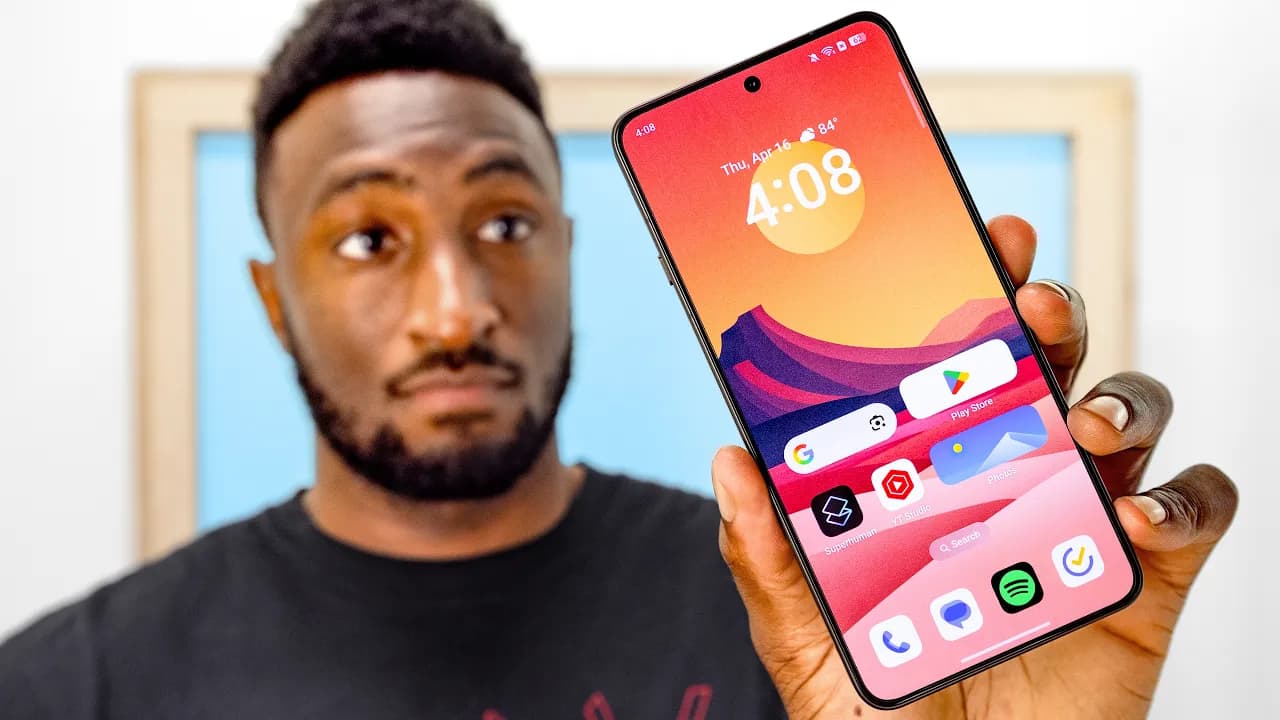
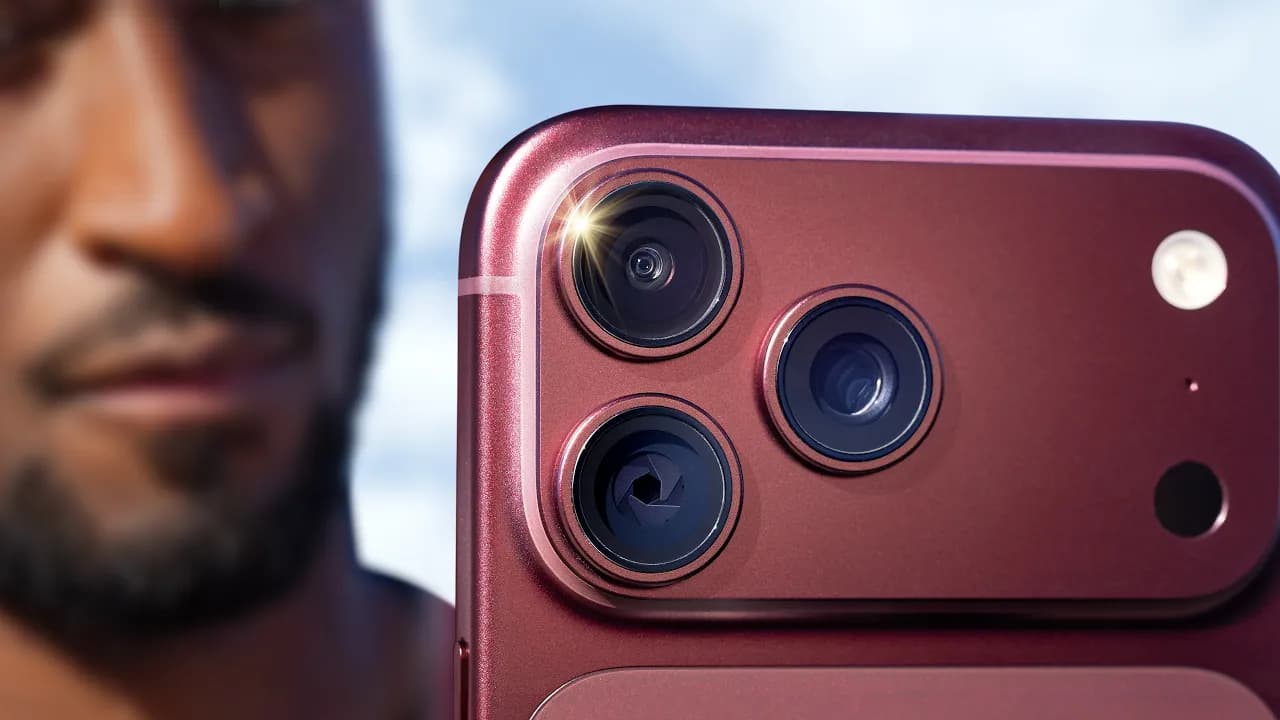
Around 2010s, phones stopped getting way bigger due to pocket size limits (physics). Camera bumps grew, but dramatic improvements lessened. Example: iPhone 17 photo vs iPhone 11 photo look pretty similar without zooming—slight contrast and saturation differences. iPhone 17 has larger sensor (more background blur), iPhone 11 more in focus. For most people, both fine. Any phone from past 5 years takes perfectly usable photo in broad daylight ideal conditions.
Now focus on difficult scenarios: low light, fast-moving subjects, deep zoom. Real separation between good and bad cameras in worst conditions.
Example: Backlit scene with Pixel 10 using computational photography, multiframe HDR, tone mapping, exposure adjustment, face detection to show face, black hoodie, blue sky in one shot. Comparison: Nexus 4 (pre-smart HDR) shows how terrible the raw scene is.
Modern smartphone cameras like self-correcting basketball hoops—no matter what you point at, you get a good picture. Refuses to spit out a bad one.
Pursuit of perfect photo machine makes regular daylight photos slightly worse—overprocessed look. Brands differ in guilt. Phones throw every trick (to save bad situations) at regular photos that don't need it, messing them up.
Example: Samsung Galaxy S progression (S1 to S2, S3, S4, S5, skipped S10-S20 for year lineup, up to S26). Around S8, window behind blown out. S9 introduces multiframe HDR, preserves blue sky. Later models (S10, S20, S21, S22, S26) show more detail but overprocessed: haloing around window/plant, unnatural face glow.
I don't like this photo anymore.
Prefer S23: more natural, less shadow detail/HDR, less haloing/unnatural glowing/flatness, looks better overall. Comments on published short agree.
Companies know excess tone mapping, multiframe HDR, face detection, exposure adjustments look weird on regular photos. Balance: turn up for bad situations, turn down when not needed.
Viewfinder vs processed photo gap shows post-processing—more dramatic snap in difficult scenarios. Processing time varies by phone.
If iPhone 11 has more natural color than iPhone 17, and Galaxy S23 looks better than S26, more tuning needed.
Apps available to turn down or off post-processing (links below)—sometimes works, sometimes difficult. Links to shorts showing all generations of smartphones for each photo scenario.
Keep Marques Brownlee in your library
Save the videos and channels worth coming back to, and find them again in one place.