Glass is glass
In a Nutshell
Smartphone makers claim dramatic yearly improvements in glass shatter or scratch resistance (e.g., 3-4x better), but these traits are inversely related: boosting hardness for scratch resistance increases brittleness and shatter risk, while softening for shatter resistance worsens scratches—forcing companies to alternate focus across Gorilla Glass generations and Ceramic Shield. Independent tests confirm some gains, but factors like phone design (e.g., flat edges, bezels) contribute more than glass alone, and no version resists scratches from quartz sand (Mohs 7) or eliminates fingerprints without coatings. Glass is still glass—claims sound impressive but obscure unavoidable trade-offs.
These notes were generated by AI and may contain inaccuracies.
This phone is four times more shatter resistant than its predecessor. The next year, the phone is three times more scratch resistant than the year before. The next year, this phone is three times more shatter resistant again. Every year there's some line like this in a smartphone keynote. These claims aren't lies but are misleading at best because shatter resistance and scratch resistance are inversely related, working against each other.
It's like a slider: to make a material more scratch resistant, make it harder, but that makes it more brittle and susceptible to shattering. To make it less brittle, make it softer, increasing susceptibility to scratches. You can optimize for one, but it's essentially impossible to dramatically improve both at the same time. Keynote slides, ads, or web pages claiming a new phone is three to four times more shatter resistant sound dramatic; they're probably not lying but don't explain what it means. The subtext is it's likely softer and less scratch resistant, or vice versa.
Smartphone companies stack headlines like more scratch resistant, more drop resistant, alternating between them. Most modern high-end smartphones use Gorilla Glass from Corning. Gorilla Glass 1 was first used in the original iPhone in 2007, now on its ninth generation. Claims on Corning's website and info sheets alternate between big improvements in shatter resistance and scratch resistance.
Headlines suggest continuous improvement, but there are two curves: scratch resistance and shatter resistance, alternating improvements. They're doing chemistry work and other factors, but it still scratches at Mohs level 6 with deeper grooves at level 7 because it's glass. Dust and sand in your pocket is often quartz, harder than glass, cutting scratches. No glass is immune yet.
This isn't just Gorilla Glass. Ceramic Shield on iPhone, introduced with iPhone 12, is good but not invincible. First generation was four times more shatterproof than previous glass. Ceramic Shield 2 with iPhone 17 is three times more scratch resistant.
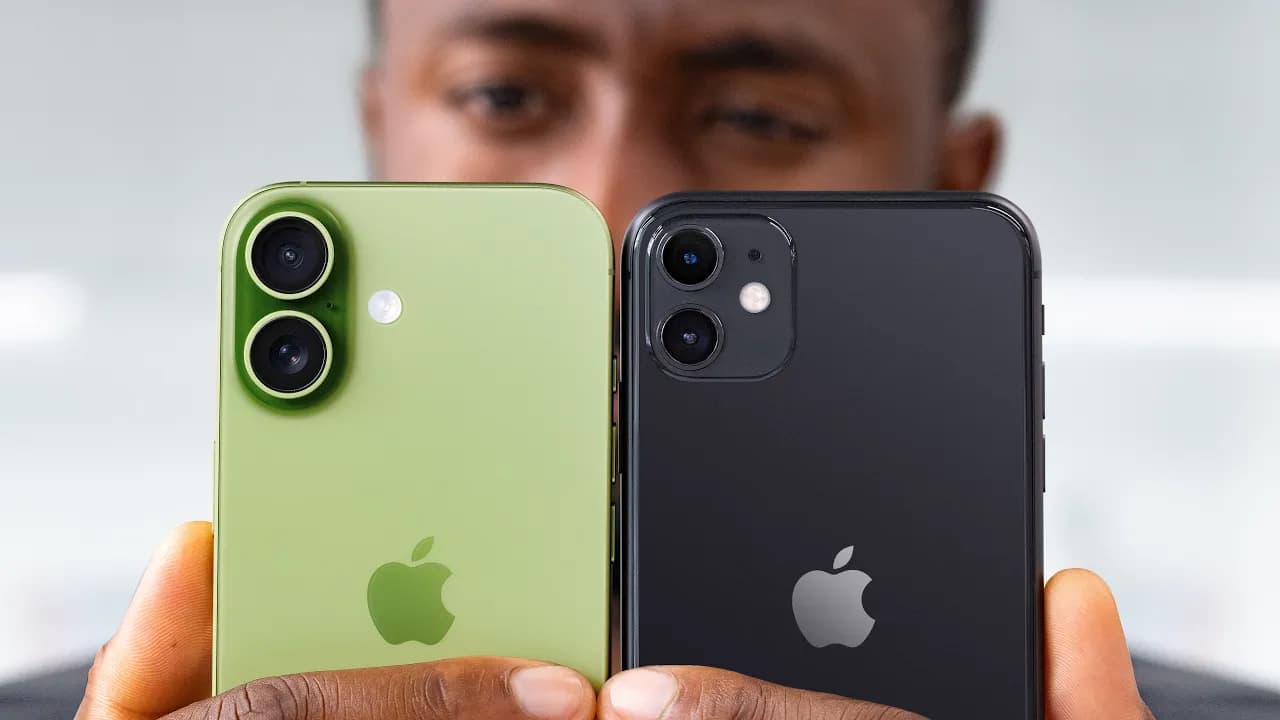
Independent YouTube tests verify iPhone 12 breaks less often in drops, supporting the four times more shatter resistant claim. But attributing it all to glass is silly. Other factors matter more: shape of the display, thickness and material of bezels, flat or curved edges. iPhone 12 returned to square sides (unlike rounded iPhone 11), hugely impacting shatter likelihood. Apple loops all this into the claim without asterisks or explanation.
Other interesting aspects: oleophobic coating rejects fingerprints and improves glide; anti-reflective coating reflects less.
Next time you see a claim that new phone glass is three times as scratch resistant or twice as shatterproof on a drop, remember that glass is still glass.
Keep Marques Brownlee in your library
Save the videos and channels worth coming back to, and find them again in one place.